Introducing The Treasures of Cintra House Project
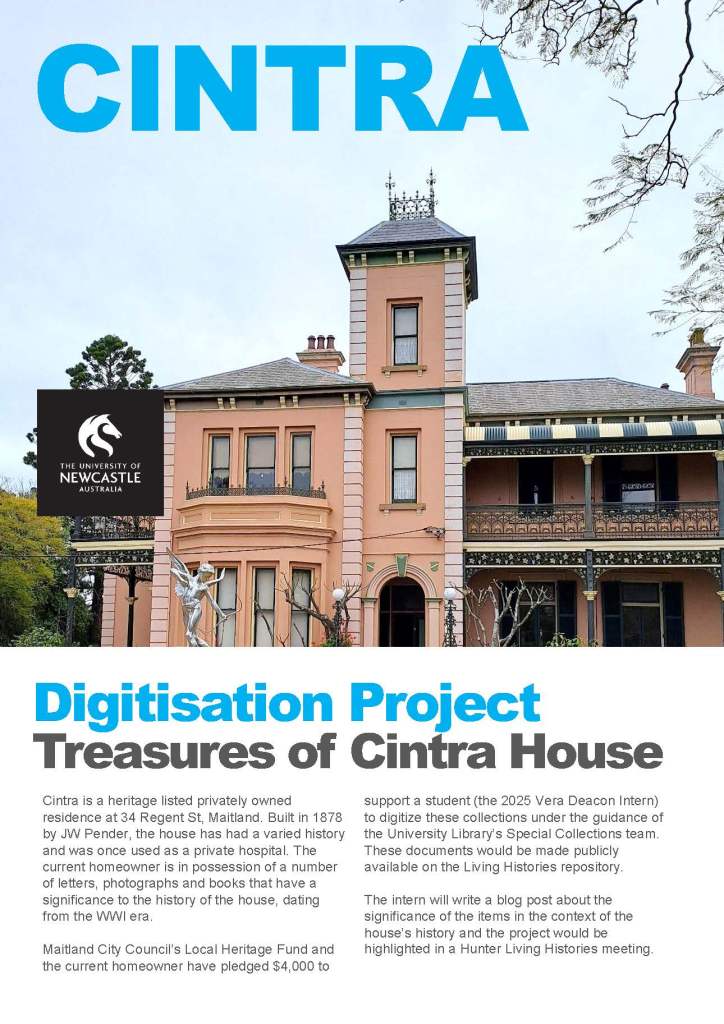
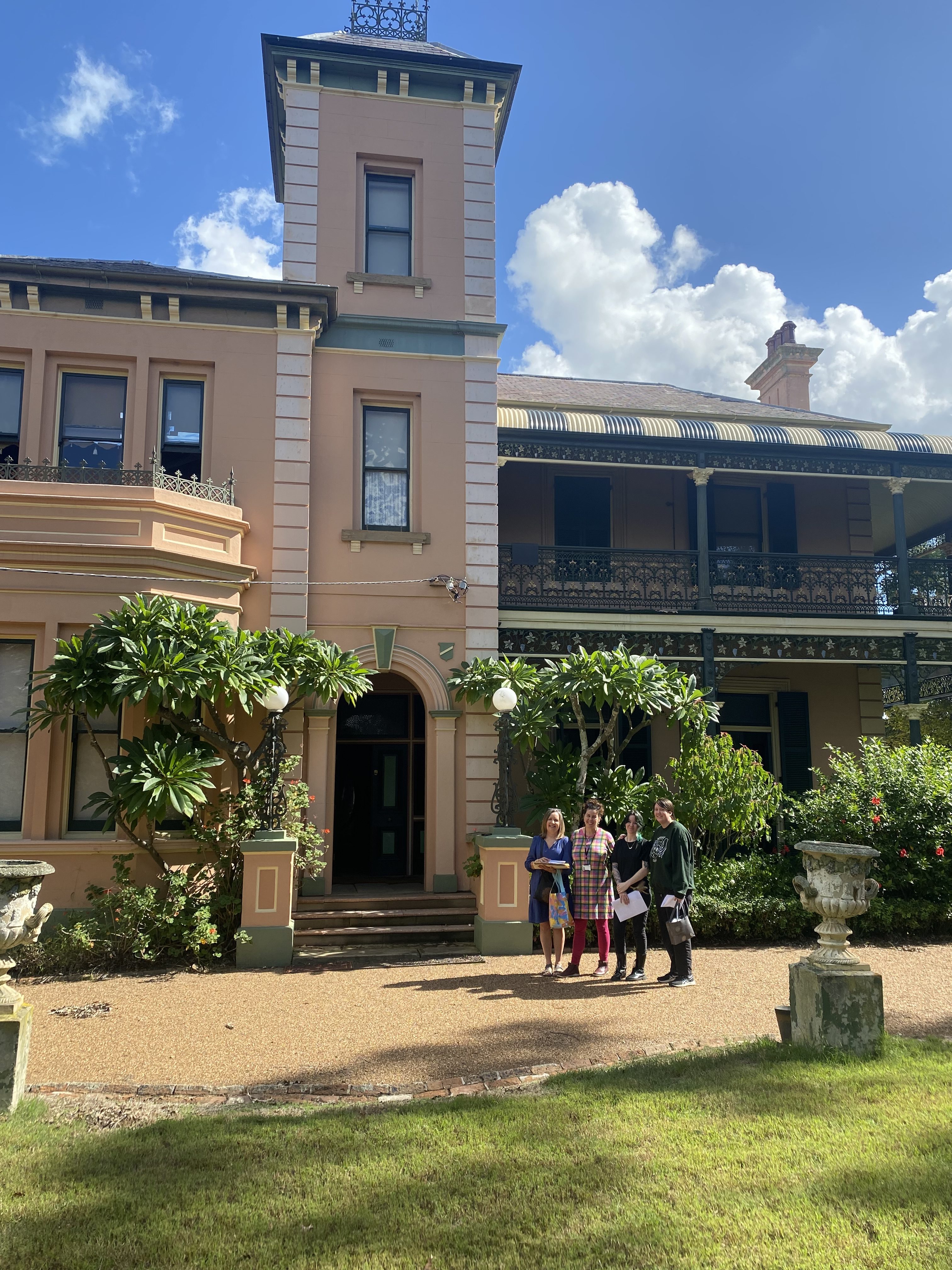
The Treasures of Cintra House digitisation project is an exciting collaboration between the University of Newcastle Library’s Special Collections, Maitland City Council, and Catherine E Blanch the current homeowner of Cintra House; a grand 1878 residence with a rich local history.
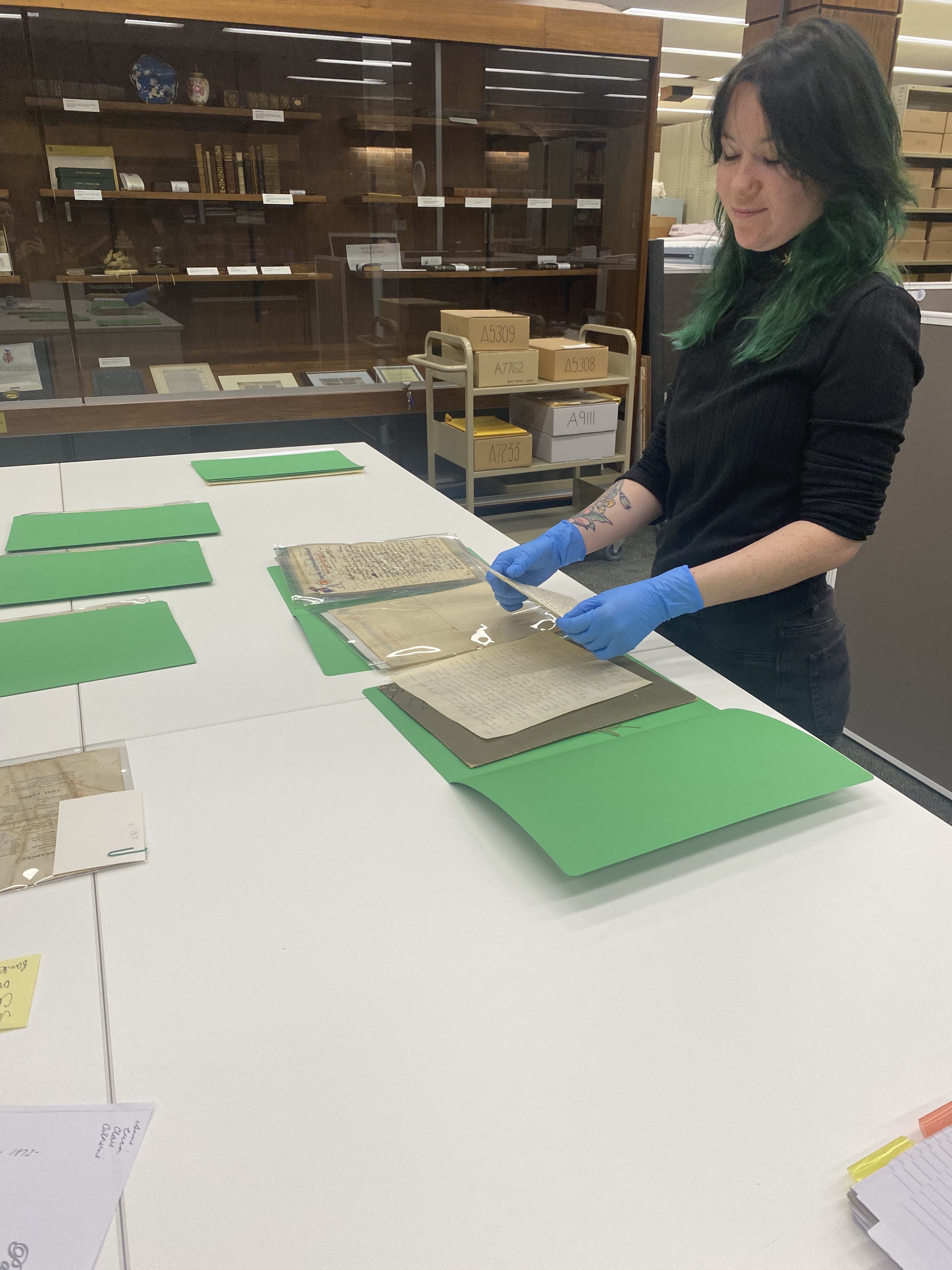
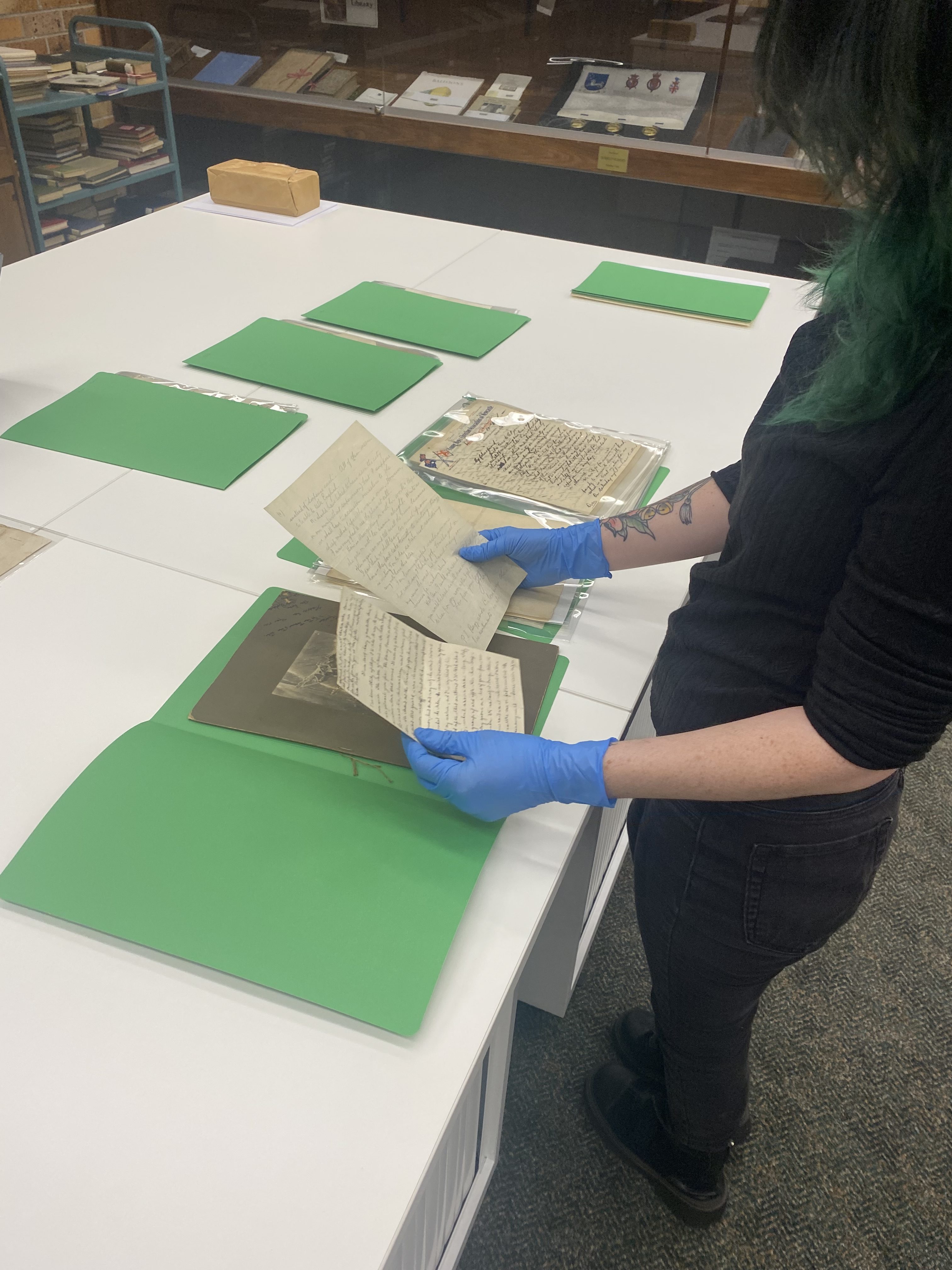
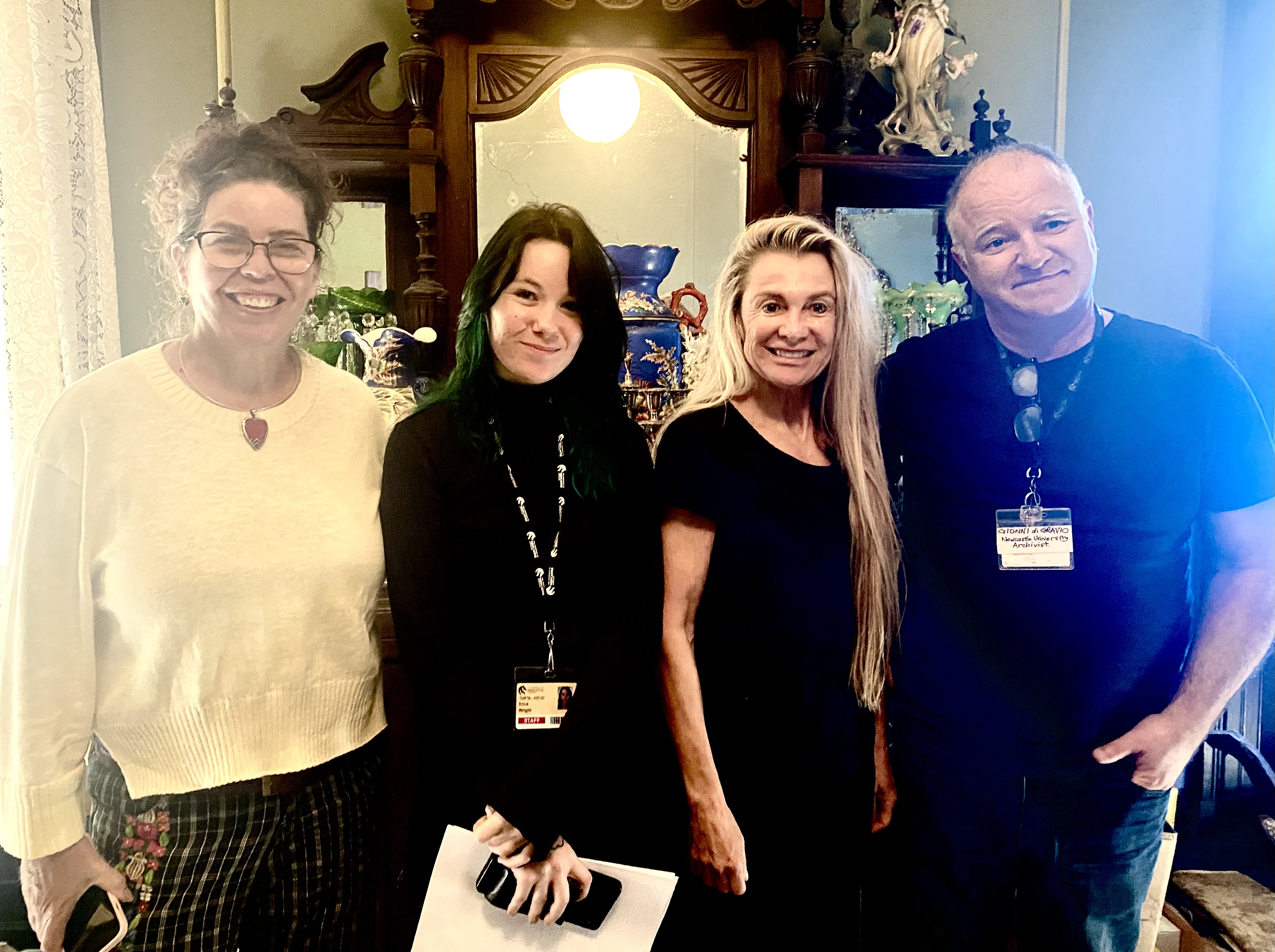
With support from the Local Heritage Fund and the homeowner, the 2025 Vera Deacon Intern, Erica Wright, will digitise a unique collection of letters, photographs, and books dating back to the WWI era.
Under expert guidance, the intern will preserve these historically significant materials and share them publicly through the Living Histories digital repository.
This initiative not only enhances community access to Maitland’s cultural heritage but also fosters hands-on learning, local storytelling, and future-focused archival practice.
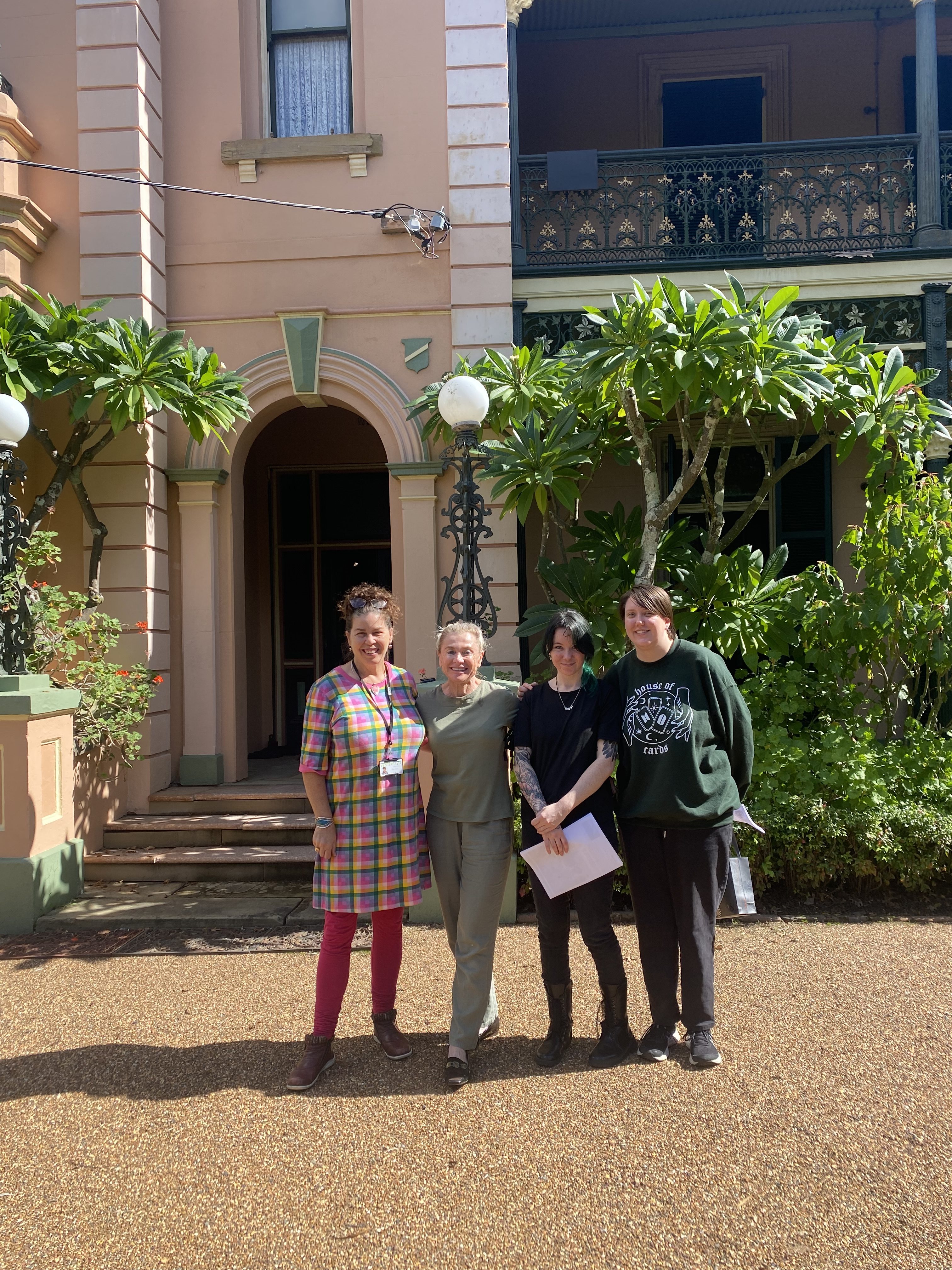
Welcome Erica (Vera Deacon Intern)
The University of Newcastle Library’s Special Collections welcomes Erica Wright as the 2025 Vera Deacon Regional History Intern.
This prestigious internship offers Erica a unique platform to collaborate with community and professional stakeholders, acquiring significant GLAM sector experience and knowledge that will be instrumental in advancing her career and employability.
A Bachelor of Arts (Honours) History student with a strong drive to contribute to archival institutions, Erica will be working on an exciting project centered around the historic Cintra House in Maitland.
Her internship will involve digitising historical records to increase community access, collaborating with community stakeholders, and undertaking other essential archival tasks, all driven by her passion for preserving cultural heritage and empowering researchers.
More about Vera Deacon Regional History Fund.

About Cintra House
The house Cintra in Regent Street, Maitland, NSW is arguably, along with the later Belltrees near Scone, the most important residential building designed by the Hunter Valley’s leading nineteenth century architect, John Wiltshire Pender, and one of the region’s most significant surviving Victorian buildings.
Built in 1878 and then extended in 1887, it is an excellent example of the Victorian Italianate style, with prominent tower and fine cast iron lacework, and surrounded by its original landscaped gardens, stables and ornamental gates.
It forms a commanding presence in Regent Street, a residential heritage precinct which includes a dozen buildings designed by the Pender practice, of which Cintra and its neighbour the benevolent home Benhome (1884) form the dominant features.
Apart from its intrinsic architectural quality and importance within its physical context, Cintra also has a particular historical significance within its region.
Its architect, John W. Pender, played an important role in the development of the Hunter region during the nineteenth century, as an architect, manufacturer, entrepreneur and civic leader, and his architectural practice was continued after him by his son Walter and grandson Ian.
Their record of 125 years of continuous architectural practice, probably the longest in Australia, has been preserved in their original drawings, specifications and other records which are now conserved in the library of the University of Newcastle, including the documents for Cintra, one of their finest buildings.
Cintra also is significant in terms of its original owners, the connected Levy and Cohen families, important merchants in Maitland, Newcastle and Sydney, as well as in the UK.
Benn Levy, who was Pender’s client for the first stage of Cintra in 1878, was nephew of David Lewis (Levy), the founder of the celebrated Lewis’s department store in Liverpool UK, while Neville Cohen, who built the 1887 extensions, was cousin of George Cohen, the ‘doyen’ of Australian banking and chairman of the CBC Bank at the end of the nineteenth century.
Benn Levy and his siblings donated the Levy fountain at the Woolloomooloo gates of the Botanical Gardens in Sydney.
Barry Maitland
Emeritus Professor, BA, Dip Arch, MA, PhD, LFRAIA
We will provide regular updates on this project dedicated to preserving the historical material related to Cintra House.
UPDATE: The project is now complete, view the updated post: “Digitising the Treasures of Cintra House: Mapping the Journey”
Dr Ann Hardy
Historian & Co-Ordinator GLAMx Lab
Thanks so much for this information on Cintra. I grew up in Regent Street and I have always admired this building. Lot’s of other beautiful buildings in this street. Robin Hyland.