OBL in Action: Student Feedback on the Coquun–Hunter Estuary Session
Dr Amir Moghadam, Special Collections
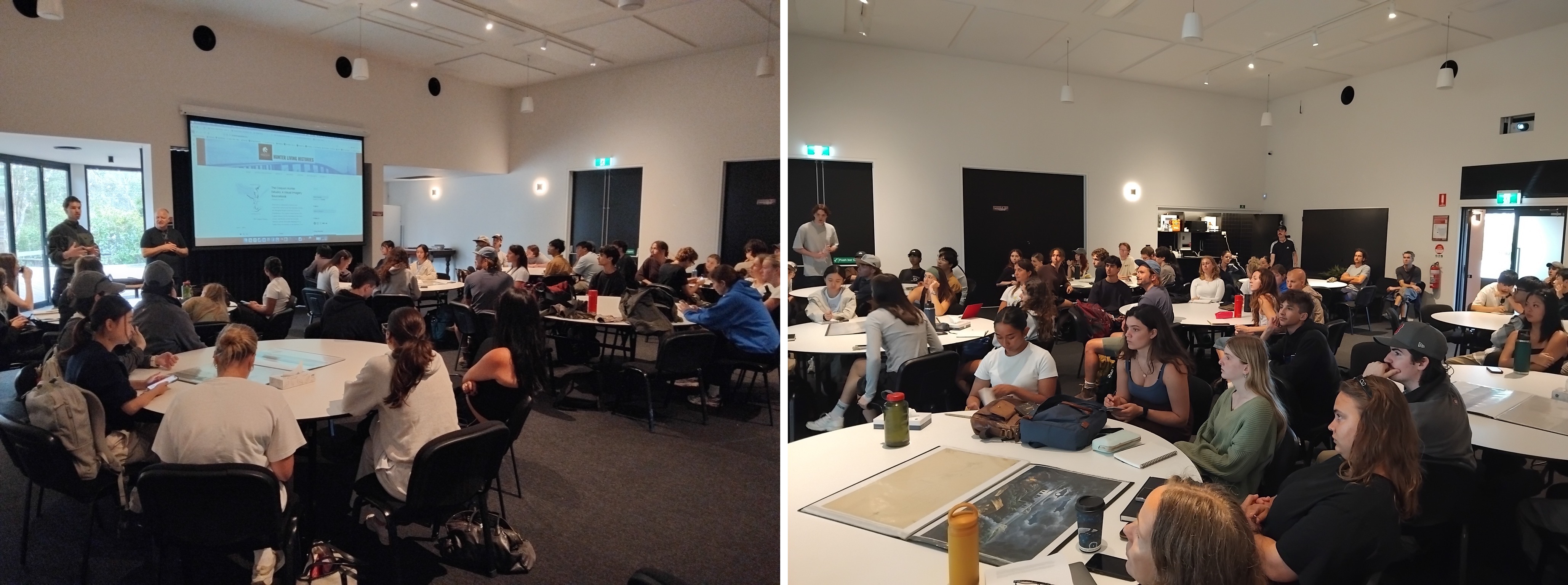
Last week, we hosted a class visit from UTS focused on the Coquun–Hunter Estuary. We held the class in the Murrook Cultural Centre. As with previous visits, we invited feedback from Studio11130 students. Of the 50 students who attended, 25 submitted responses. This short report summarises the key findings.
What students told us
Historical materials strengthened learning.
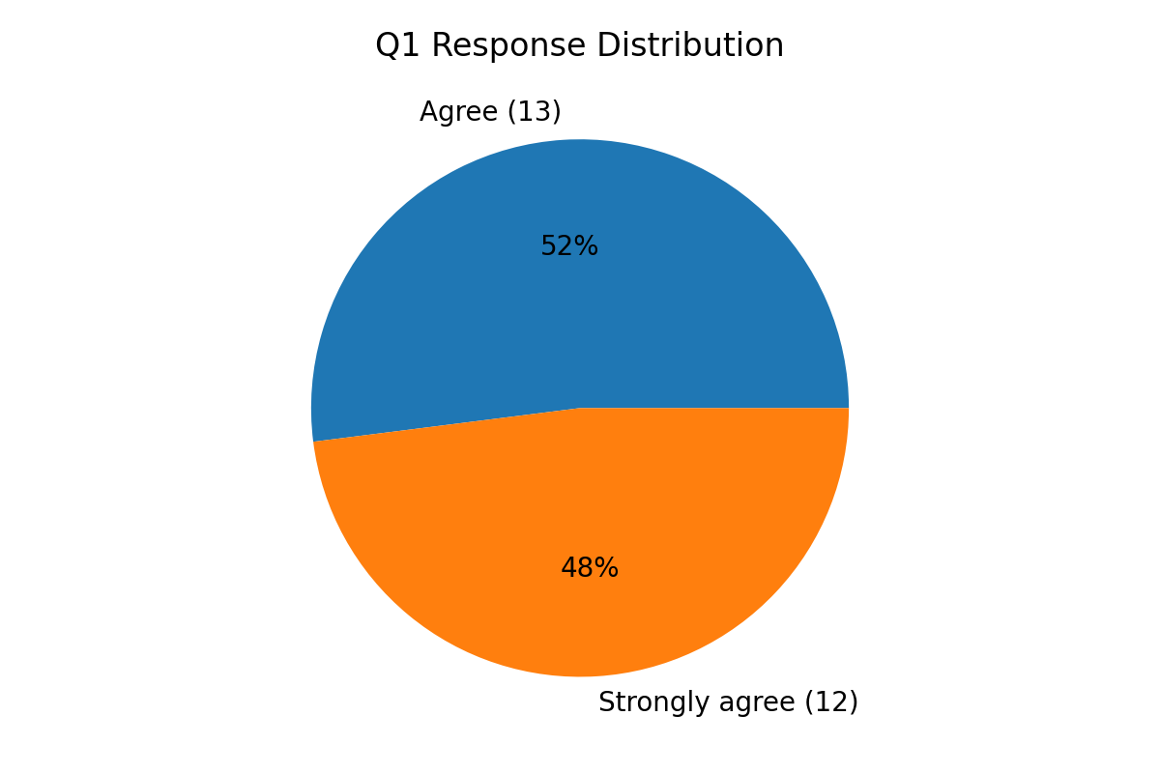
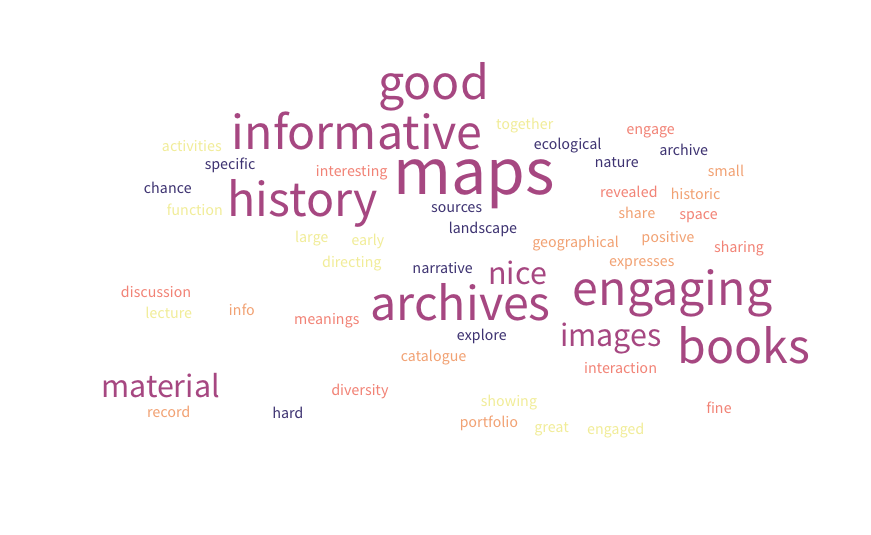
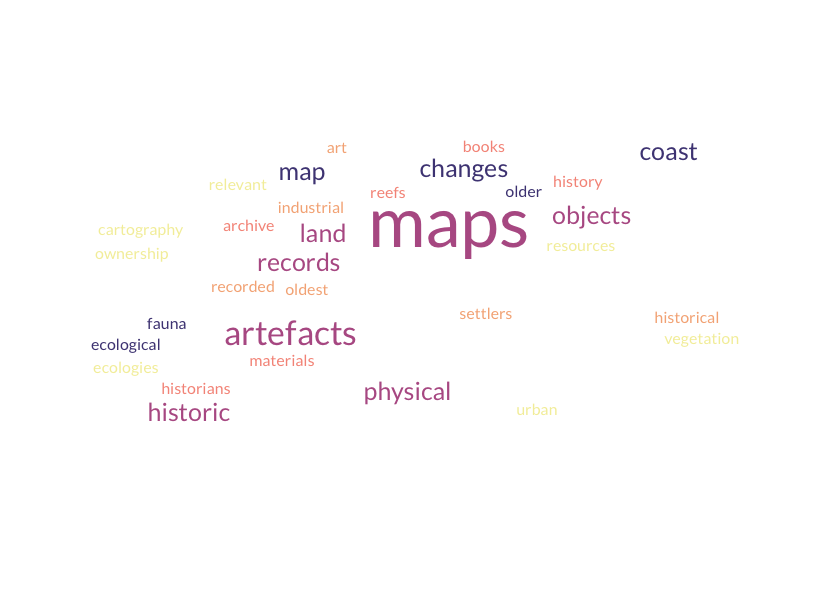
Students overwhelmingly reported that seeing historical materials improved their understanding of the lecture readings (52% strongly agree; 48% agree). Many comments emphasised the value of working with historical maps and other primary sources, and how this helped make course concepts feel clearer, more concrete, and evidence-based. While students strongly valued the session, they also suggested increasing the quantity and variety of interactive and historical maps, and having more ecological and landscape-related records, artefacts.
Main qualitative themes
Quantitative results indicate uniformly positive perceptions of learning value, with all respondents endorsing the session at the two highest agreement levels. This pattern suggests that the use of historical books and related objects effectively support students’ engagement with lecture readings. Open-ended responses nonetheless highlight two main themes
Theme 1: Primary sources and historical object+ expert facilitation matter.
Students reported significant value in encountering original historical materials and learning through guided interpretation and expert facilitation.
Theme 2: A clear appetite for active learning and deeper exploration.
Students expressed a strong interest in more interactive learning opportunities, particularly those involving images, maps, ecological data, landscape records, and cultural perspectives that connect historical evidence to place-based change over time.
Recommendations for future sessions
Feedback indicates that object-based learning in Special Collections supports disciplinary learning by enabling students to engage with primary sources, material features, and historical evidence in situ. Accordingly, the following recommendation shall strengthen any future session:
- adding more historic and records of landscape and environmental changes
- including cultural artefacts and perspectives where appropriate
2 thoughts on “Collections Update: Object Based Learning Session at Murrook Culture Centre”