Dr Amir Moghadam, Special Colletions
Sessions on Rome and Pompeii.
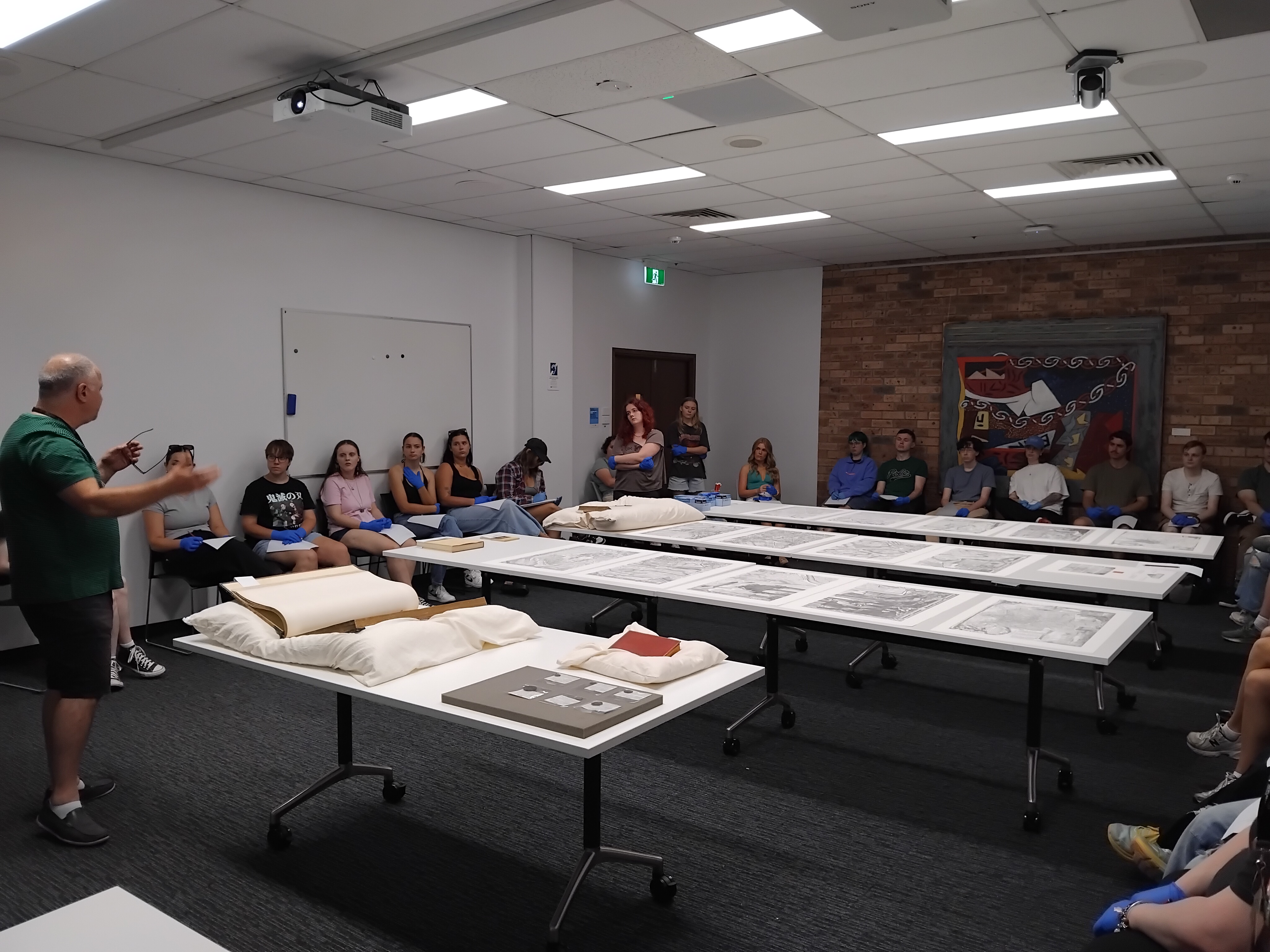
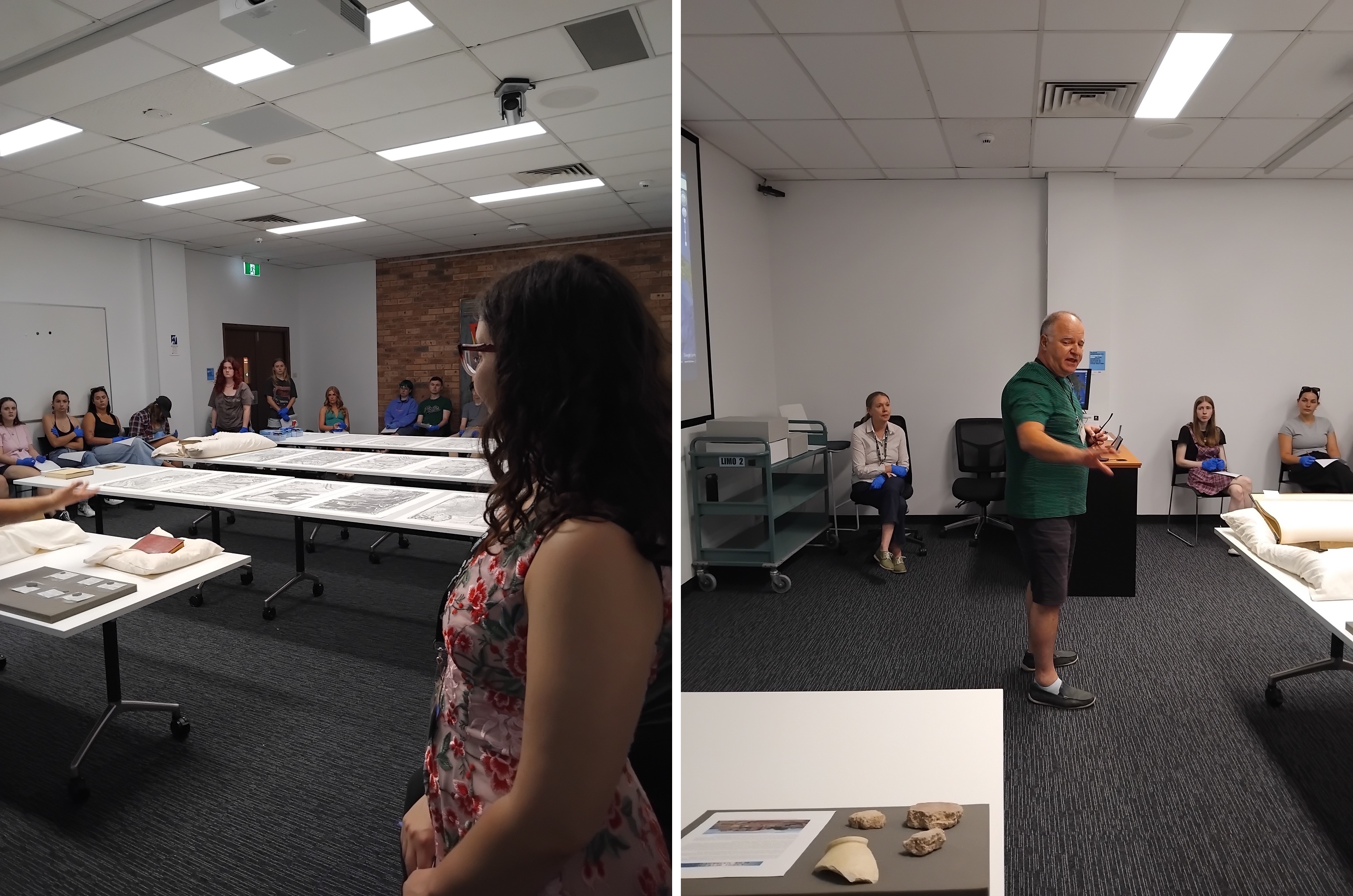
Last week, on February 17th, we conducted two Object-Based Learning (OBL) sessions for AHIS2010 students. During these sessions, students engaged with historical books, coins, and objects relevant to their studies on Rome and Pompeii. I provided instructions and introductory notes, after which Gionni Di Gravio delivered an engaging talk. Davina Pellatt facilitated the sessions. At the conclusion of each session, we collected student feedback. The reflections indicated an overwhelmingly positive response and offered practical suggestions for further enhancing these sessions. The following summary presents student feedback and its implications for future teaching.
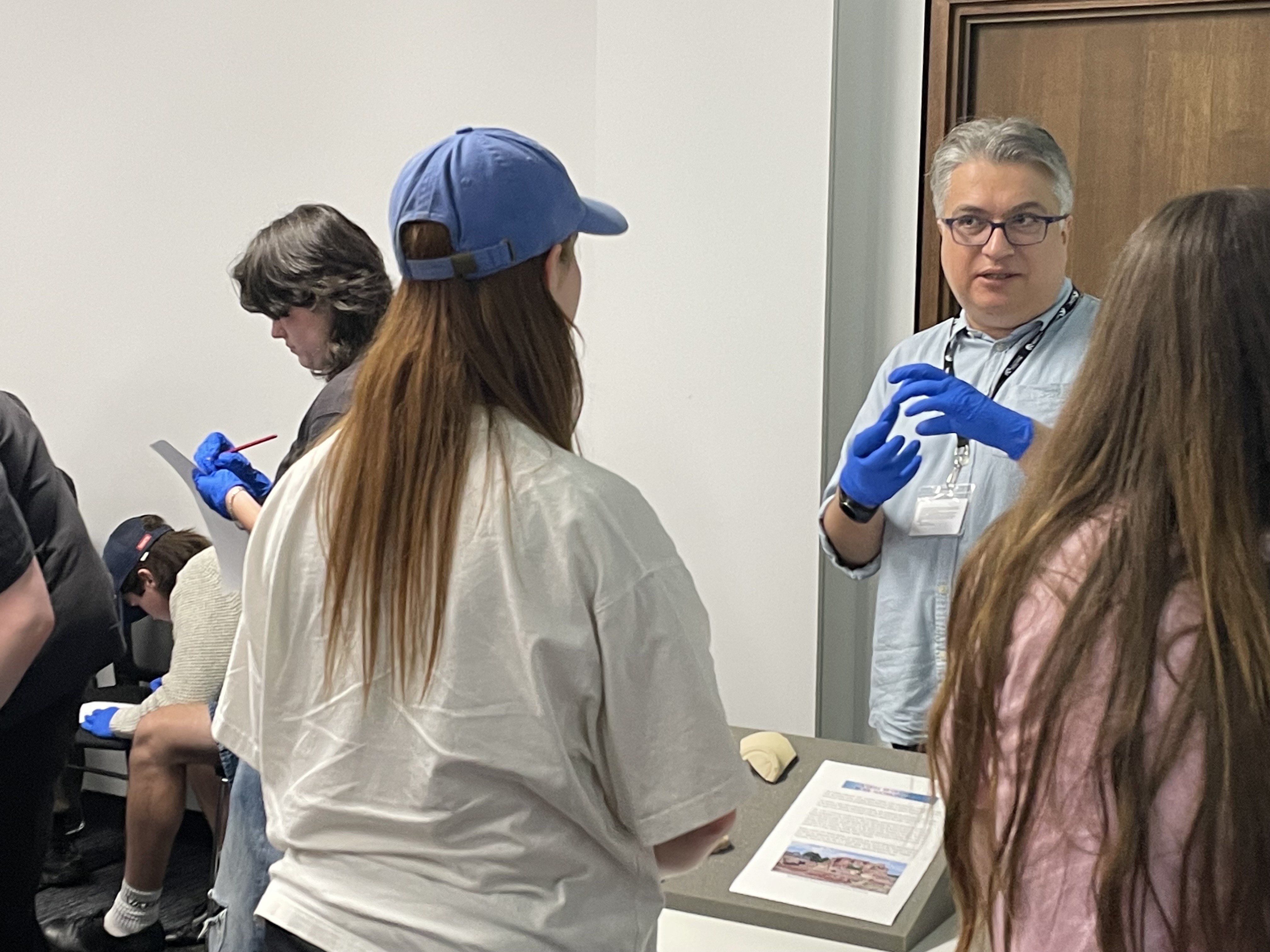
OBL works:
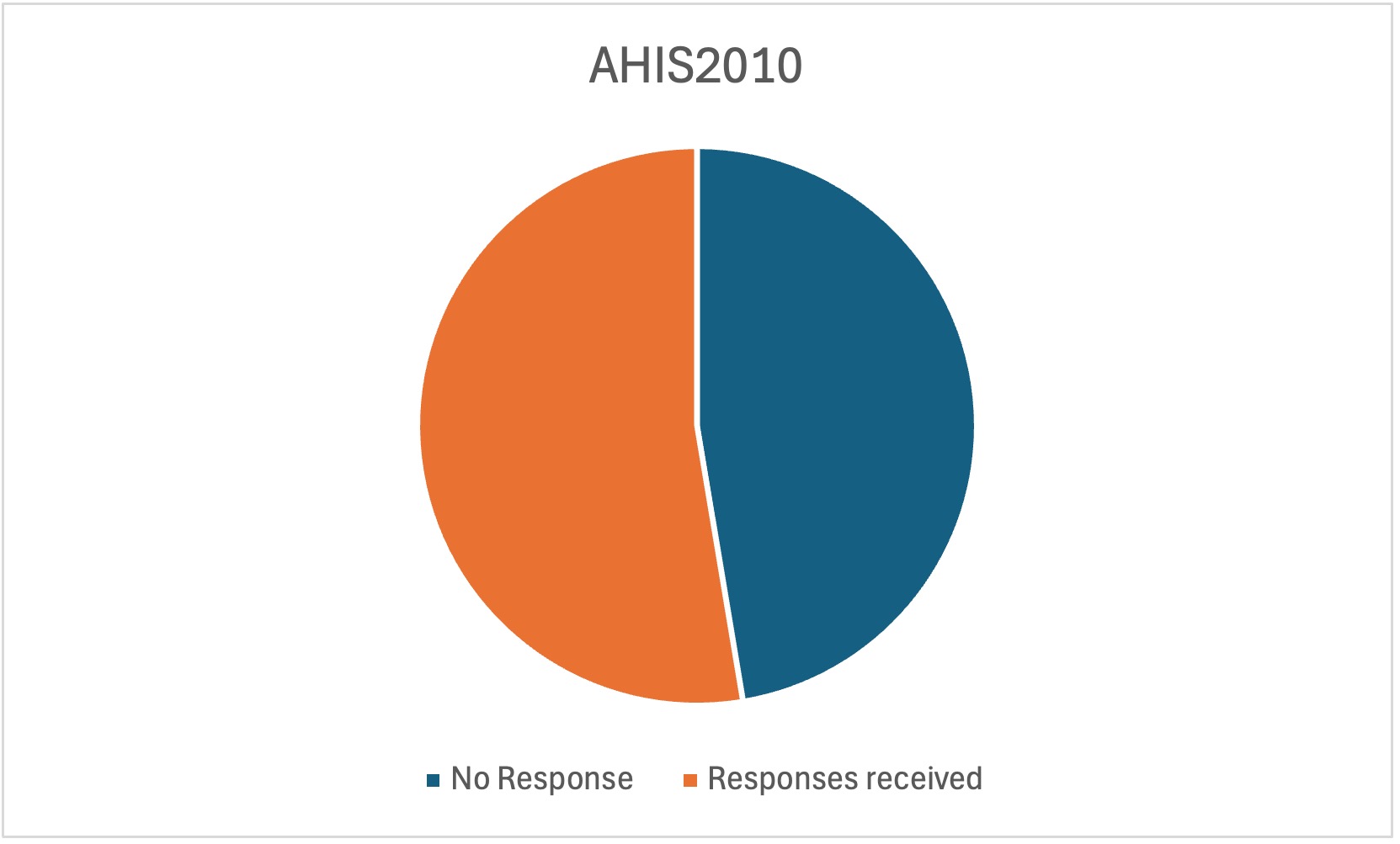
Across the survey, all respondents agreed that experiencing historical objects helped them better understand lecture readings. 100% (65% Strongly agree, 35% Agree) of responding students highlighted that our sessions weren’t just “interesting” but directly supported learning, as our collections connect abstract concepts to tangible evidence.

What students want next
While students were satisfied overall, most of the improvement suggestions focused on adding more historical items. More variety in the collection items was the strongest theme. 60% of responding students asked for more or a greater variety of artefacts and physical items. This aligns with the feedback we received on our previous surveys. The most requested items were:
- Fresco/mosaic-related material (9 mentions)
- Pottery/ceramic artefacts (8 mentions)
- Books/letters/other texts (5 mentions)
- Coins/coinage (3 mentions)
Where to from here?
The collected feedback indicates a strong perceived value in engaging with historical objects and books during the OBL sessions. Most suggestions for improvement were additive rather than corrective, with students requesting a broader and more targeted selection of artefacts as well as additional contextual information. Analysis of survey responses suggests that future OBL sessions should focus on a select set of high-impact improvements. These include increasing the variety of material culture, such as pottery, coins, and fresco or mosaic-related items, and aligning artefact selections with relevant subject topics, for example, Classics and ancient history. Additionally, students expressed a desire for more interactive discussions centred on the objects.
A closing reflection
Invitation
One thought on “Collection’s update: Object-Based Learning Sessions on Rome and Pompeii.”