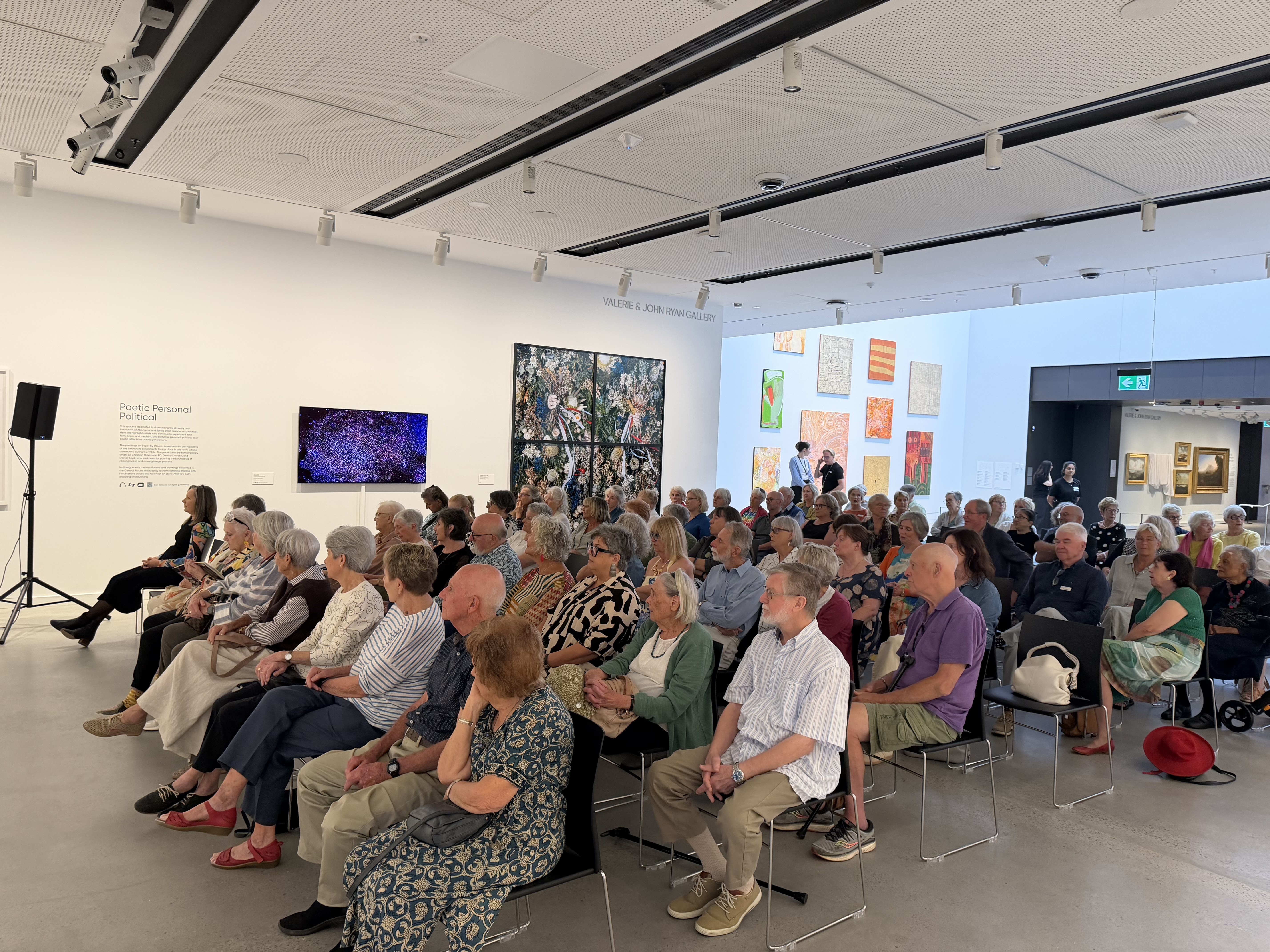
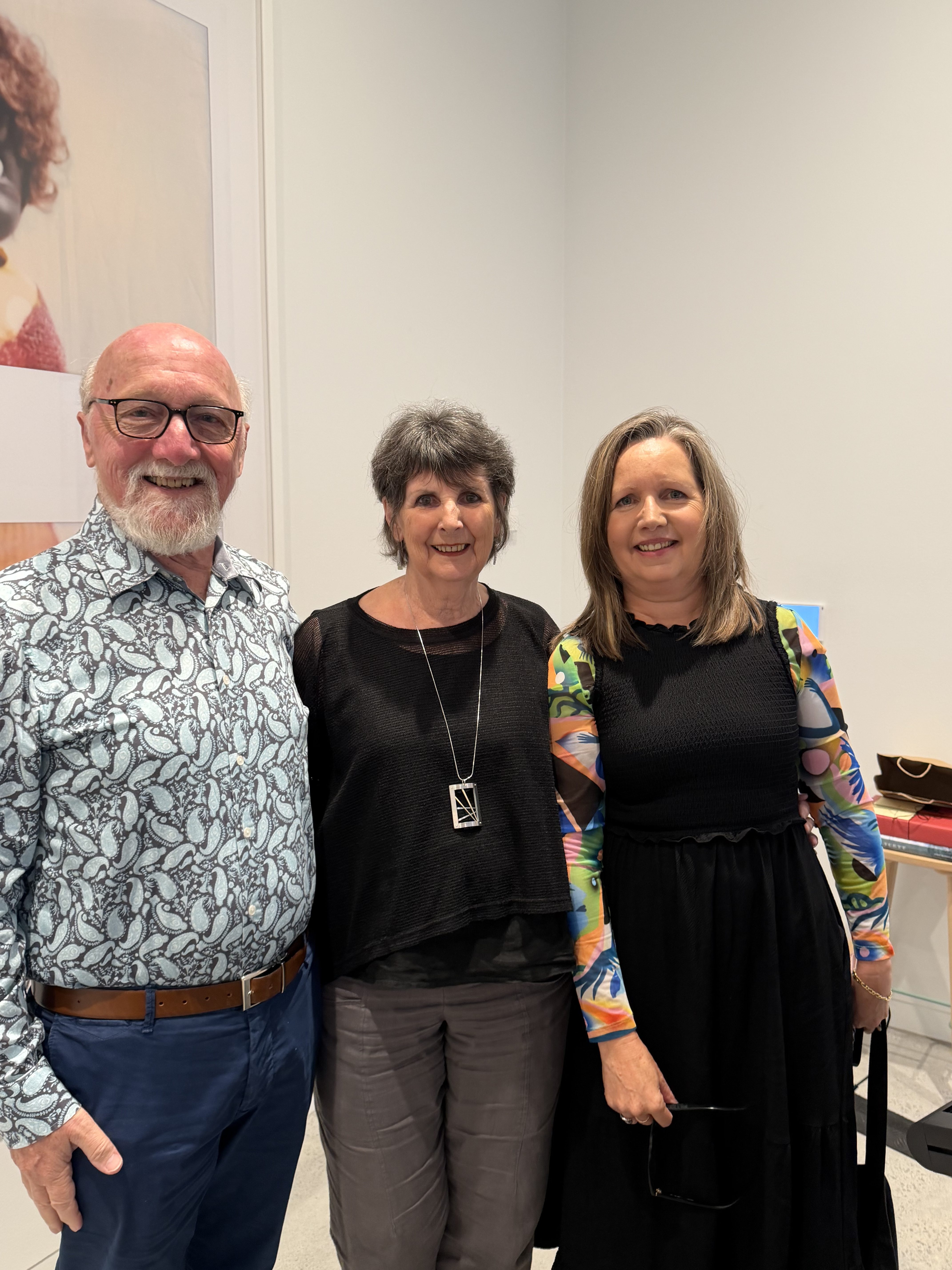
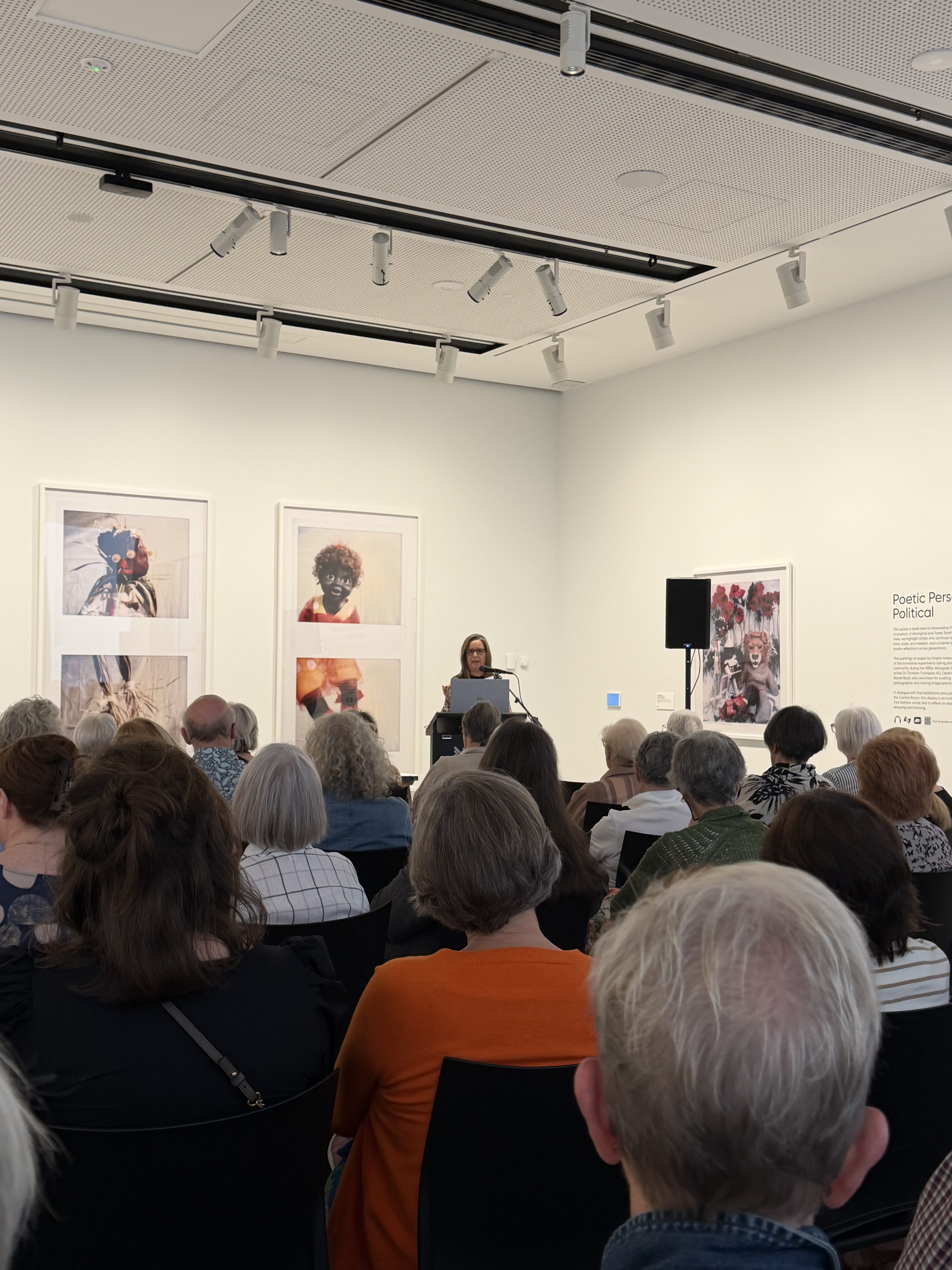
The following talk on ‘Joseph Lycett (1774-1828)‘ was delivered at ArtChat at the Newcastle Art Gallery on 1 April 2026 by Dr Ann Hardy who was kindly invited by the Art Gallery Society. The talk was post-recorded on request of audience members.
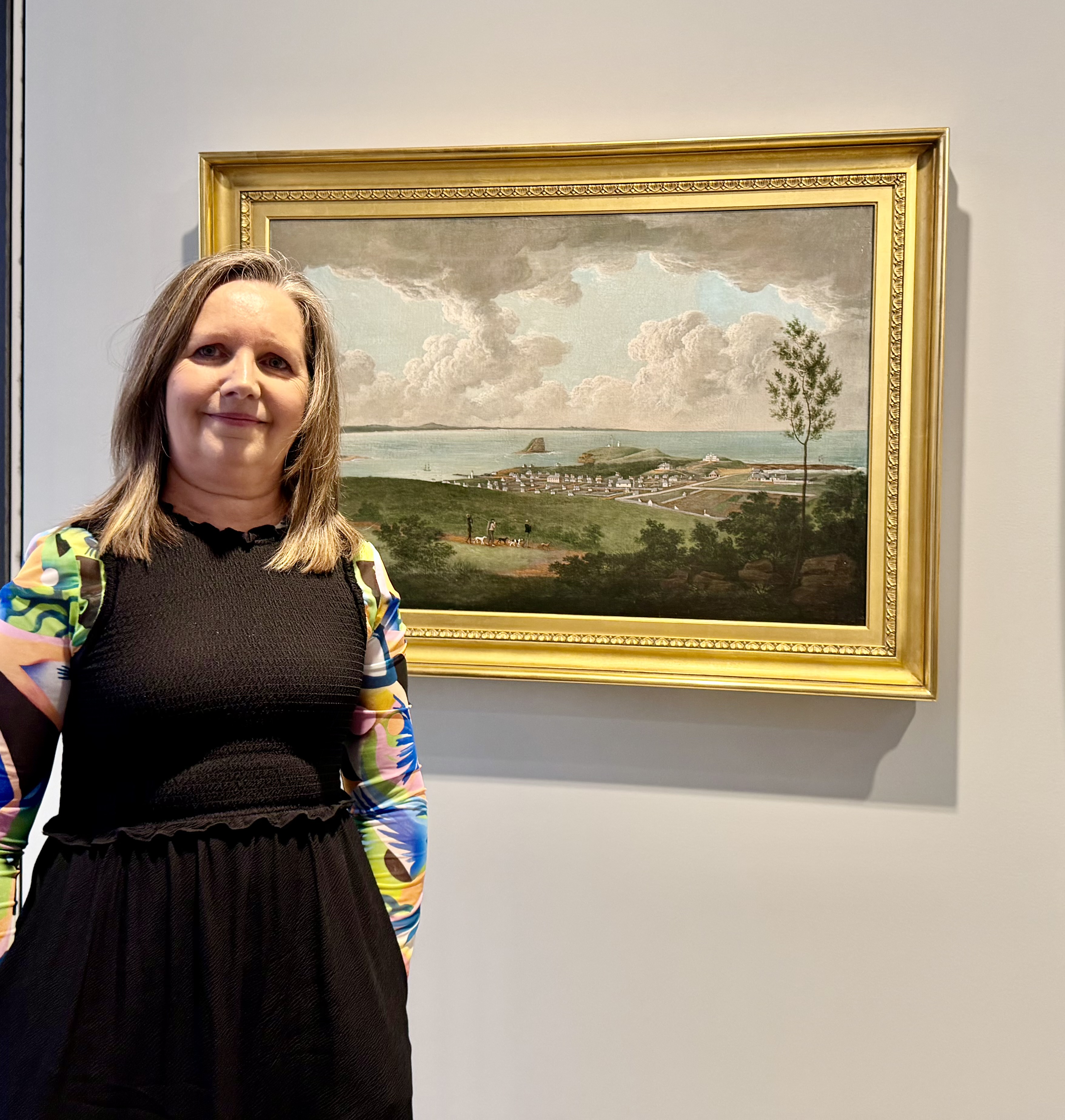
Joseph Lycett is known as a convict artist, forger and engraver, however there was more to this man, this talk explores the social and cultural circumstances in England prior to him coming to New South Wales.
Criminal Beginnings
Possibly an artist and engraver from Staffordshire, Lycett’s career took a sharp turn when he was convicted of forging Bank of England notes in 1811. Sentenced to transportation, he arrived in Sydney, New South Wales in 1814 and soon after he arrived worked for Absolom West as an engraver.
Recidivism and Exile
Lycett’s old habits died hard. By 1815, he was caught with a copper-plate press after flooding Sydney with forged 5-shilling bills. This second offense earned him a transfer to the harsher penal settlement of Newcastle.
A Colonial Chronicle
In Newcastle, Lycett found a patron in Captain James Wallis, who traded punishment for productivity. His artistic contributions became foundational to Australian history:
-
Art: Painted the first known nighttime scene of an Indigenous ceremony, Corroboree at Newcastle.
-
Cultural Record: Created at least 14 scenes documenting local Indigenous people and their traditions.
Though he began his Australian journey as a twice-convicted forger, Lycett ended it as one of the most important visual historians of the early colony, capturing the landscapes and Indigenous cultures of an early colony.
If you’d like to know more about Joseph Lycett then you may be interested in the following film ‘Lycett & Wallis: Unlikely Preservers of Aboriginal Knowledge’
One thought on “Joseph Lycett: From Forgery to Fine Art”