
Eusebius’ Ecclesiasticae Historiae is the University’s Oldest Book
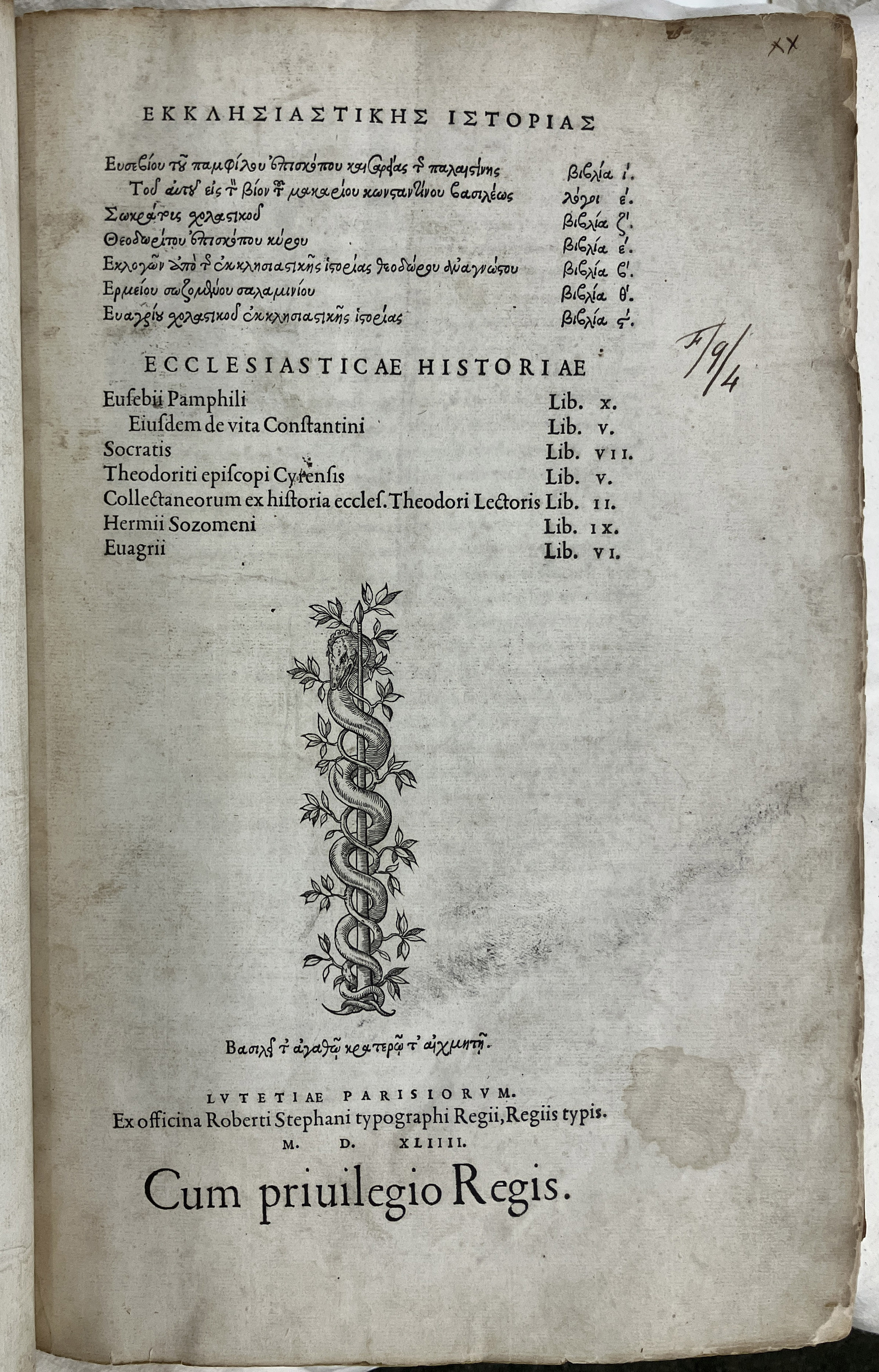
The oldest book held in the University of Newcastle’s Auchmuty Library is found in the Morpeth collection, namely, Eusebius’ Ecclesiasticae Historiae the first edition of Eusebius, being that of Robert Stephanus, printed in Paris in 1544.
What is the Morpeth Collection?
The Morpeth Collection is a collection of some 2,700 volumes from St. John’s College, Morpeth, generously donated by the Anglican Diocese of Newcastle on 20 November 1996, and includes editions of major theological and philosophical works printed in the 16th-18th centuries.
At least half the Collection originally belonged to the first Anglican Bishop of Newcastle, William Tyrrell, who was appointed to the Diocese in 1847.
Who Was Its Original Owner?
Eusebius’ Ecclesiasticae Historiae (or ecclesiastical histories) had originally been written in the fourth century and was the first major history of the Christian Church. It was bound in contemporary full calf and has a gold crest on the front cover indicating that it originally belonged to Elizabeth I’s royal collection.
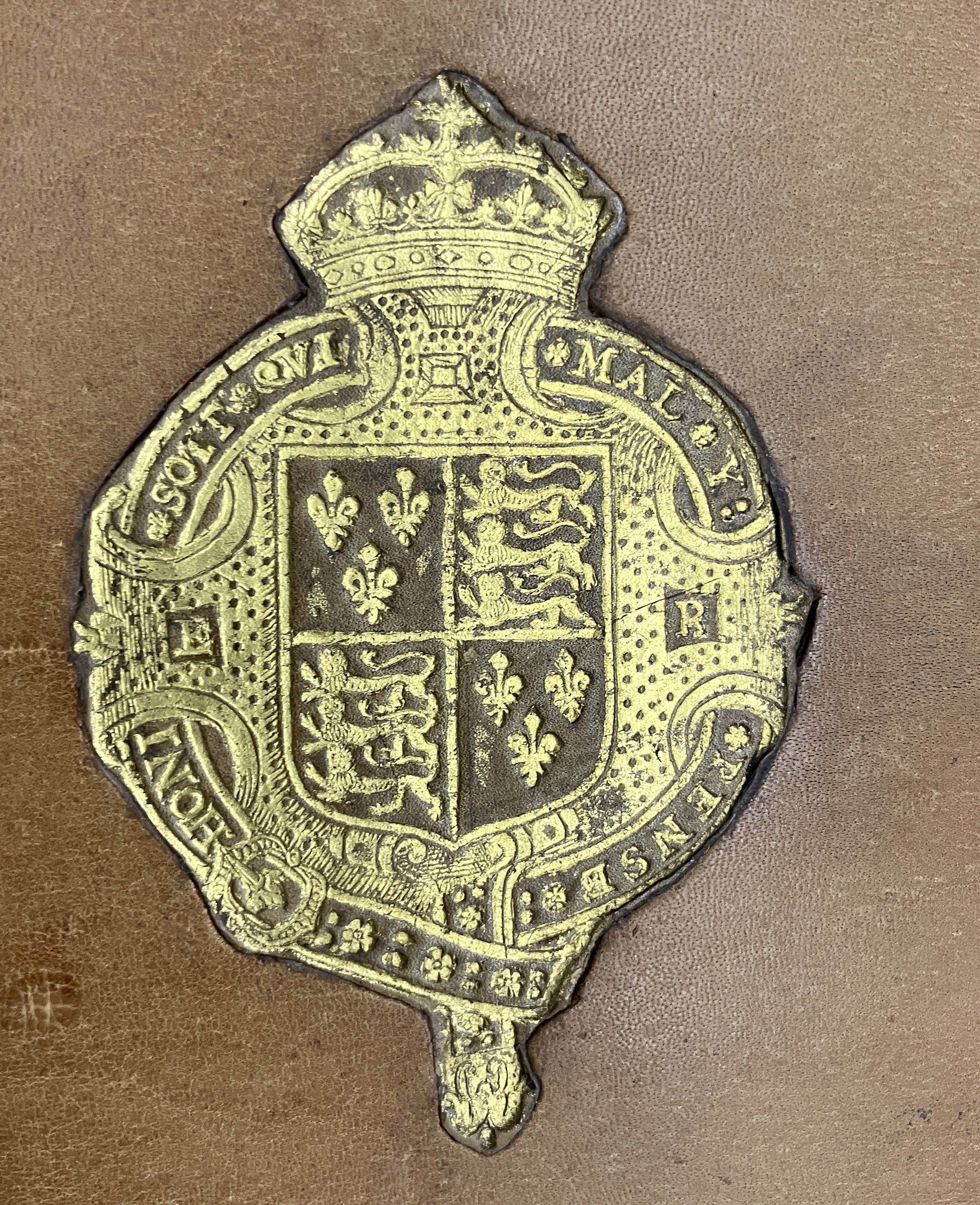
The calfskin binding of this copy bears the device of Elizabeth I who was, of course, a book collector and a student of Greek.
What is the History of the Book Itself?
The book was produced in Paris in 1544 by the printer/scholar Robert Estienne, then royal printer for Latin, Hebrew and Greek to Francois I. Estienne’s influence was largely responsible for the adoption in France of roman type for scholarly books in place of black-letter (gothic). The 1544 edition of the Ecclesiastical Histories of Eusebius, the first book to use the Royal Greek types designed by Garamond after the handwriting of the Cretan scribe, Angelos Vergetios.
The Previous Owners – Henry Wood
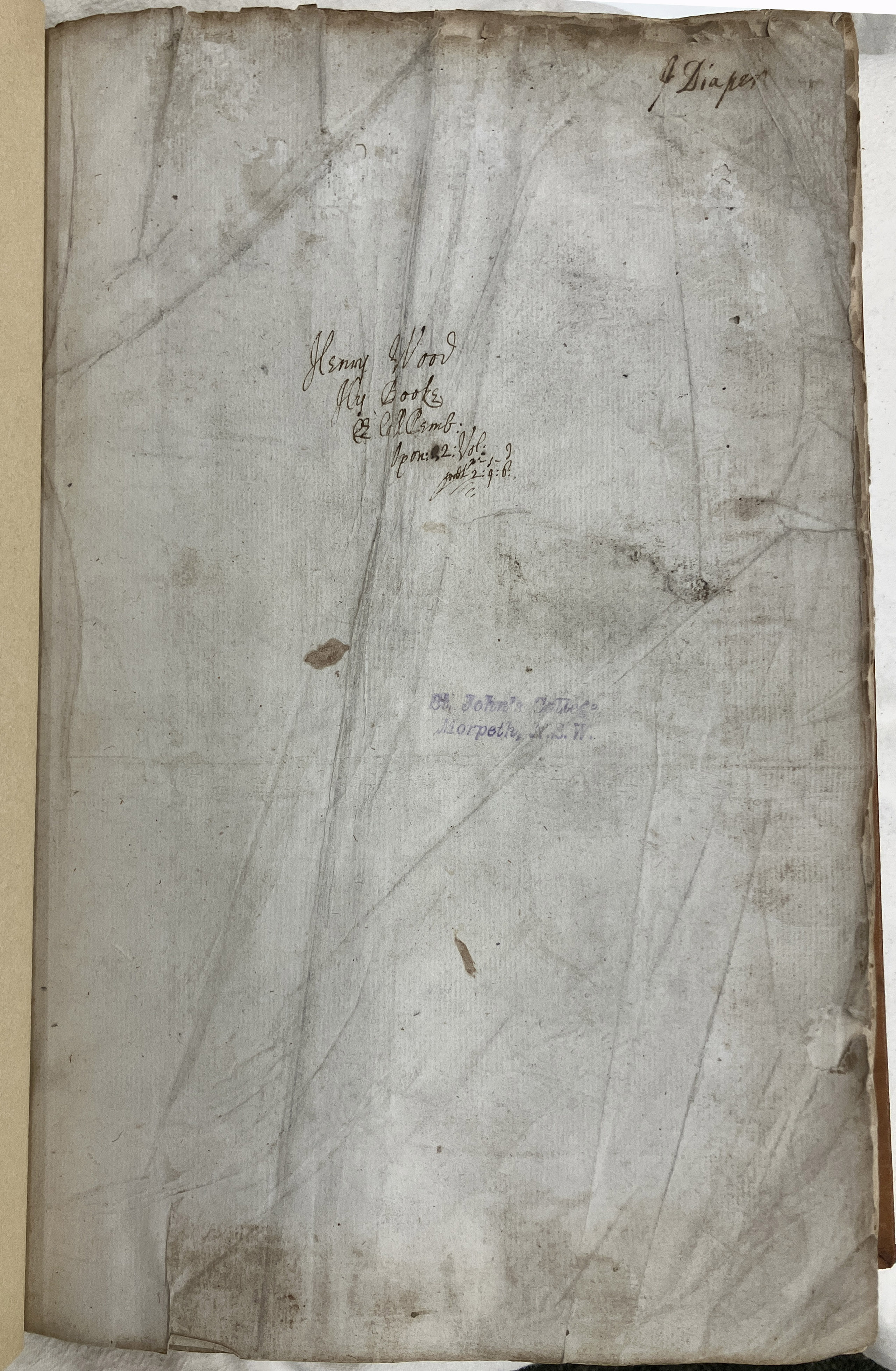
Queen Elizabeth I reigned from 1558 until her death in 1603. On the flyleaf of the book there is evidence of three subsequent owners. Besides the stamp of “St John’s College Morpeth, N.S.W” that acquired the book from its owner Bishop Tyrrell, there are two signatures, one belonging to a “Henry Wood”, the other to a “J. Diapen”.
Henry Wood
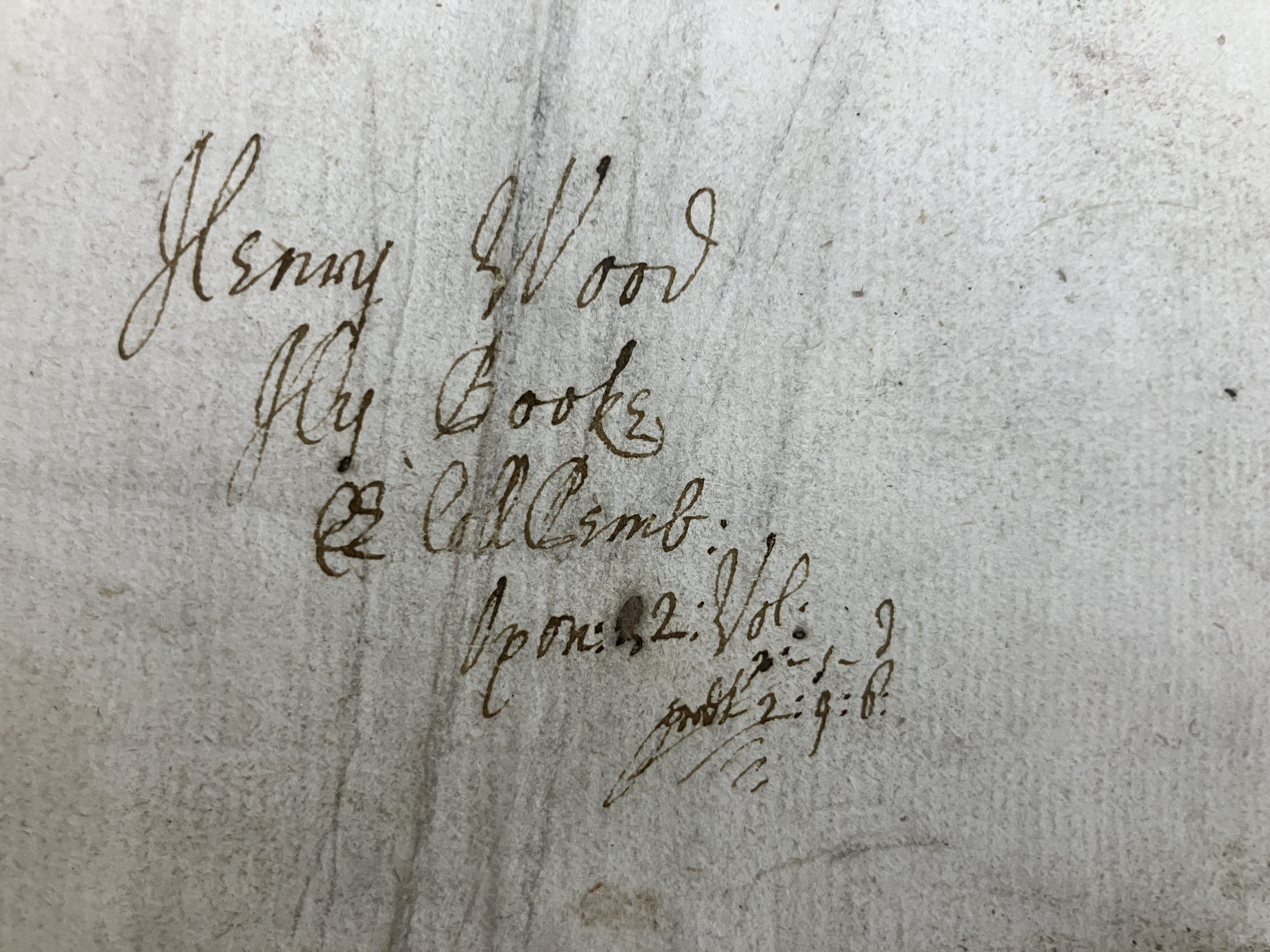
The inscription appears to read (please provide corrections):
“Henry Wood
My Booke
Ex Coll Pemb:
Opon: 2, 2; Vol
Paid £ 2-1-d 2:9:6:”
My understanding is that this is “Henry Wood, my book”, that was from the Collection of Pembroke College. 2 Volumes for which he paid the sums of etc etc. Would this be right?
Some biographical information on the possible identities of “Henry Wood” is provided in Volume 2 of Anthony Wood’s Athenae Oxonienses (1721) under the entry for Thomas Wood (1176)

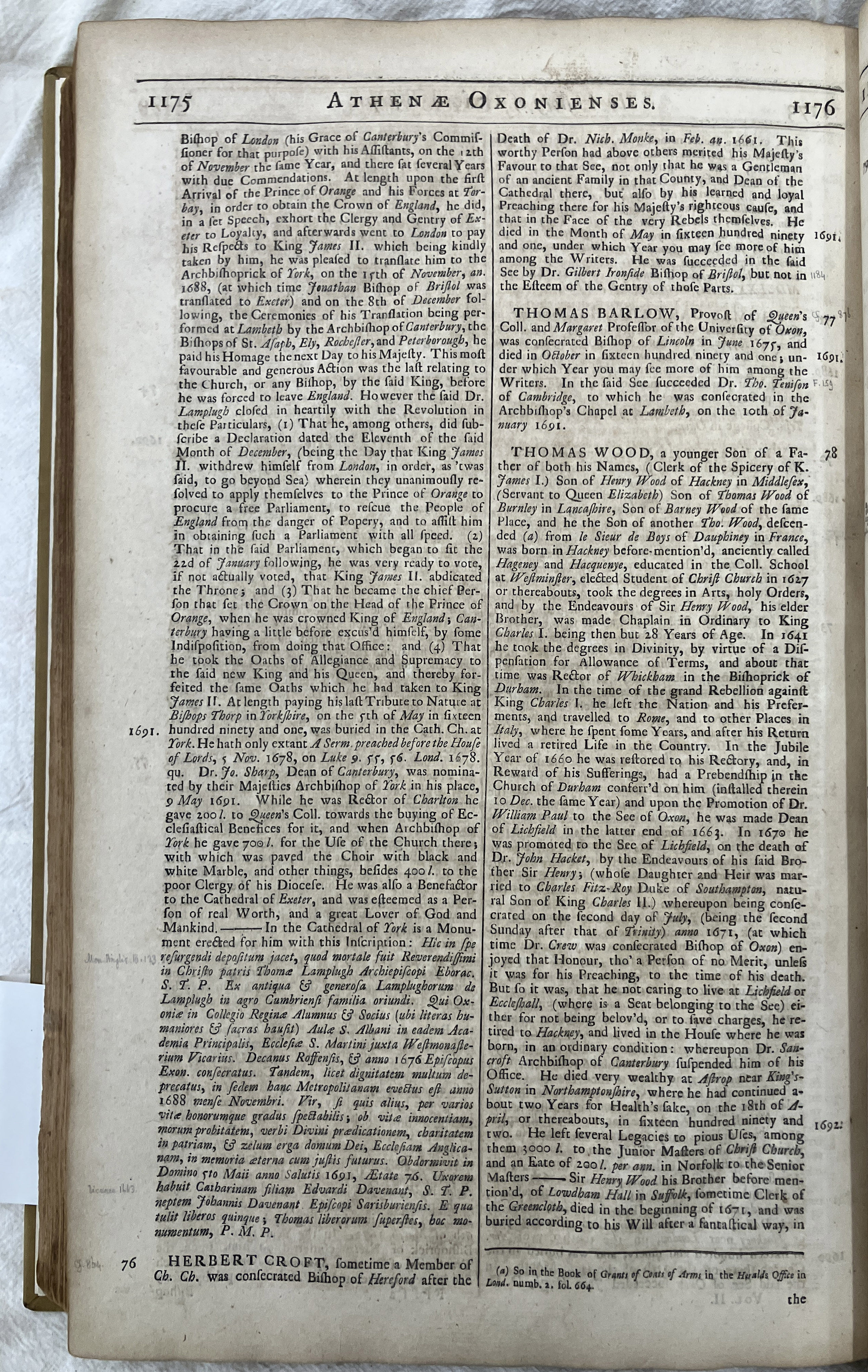
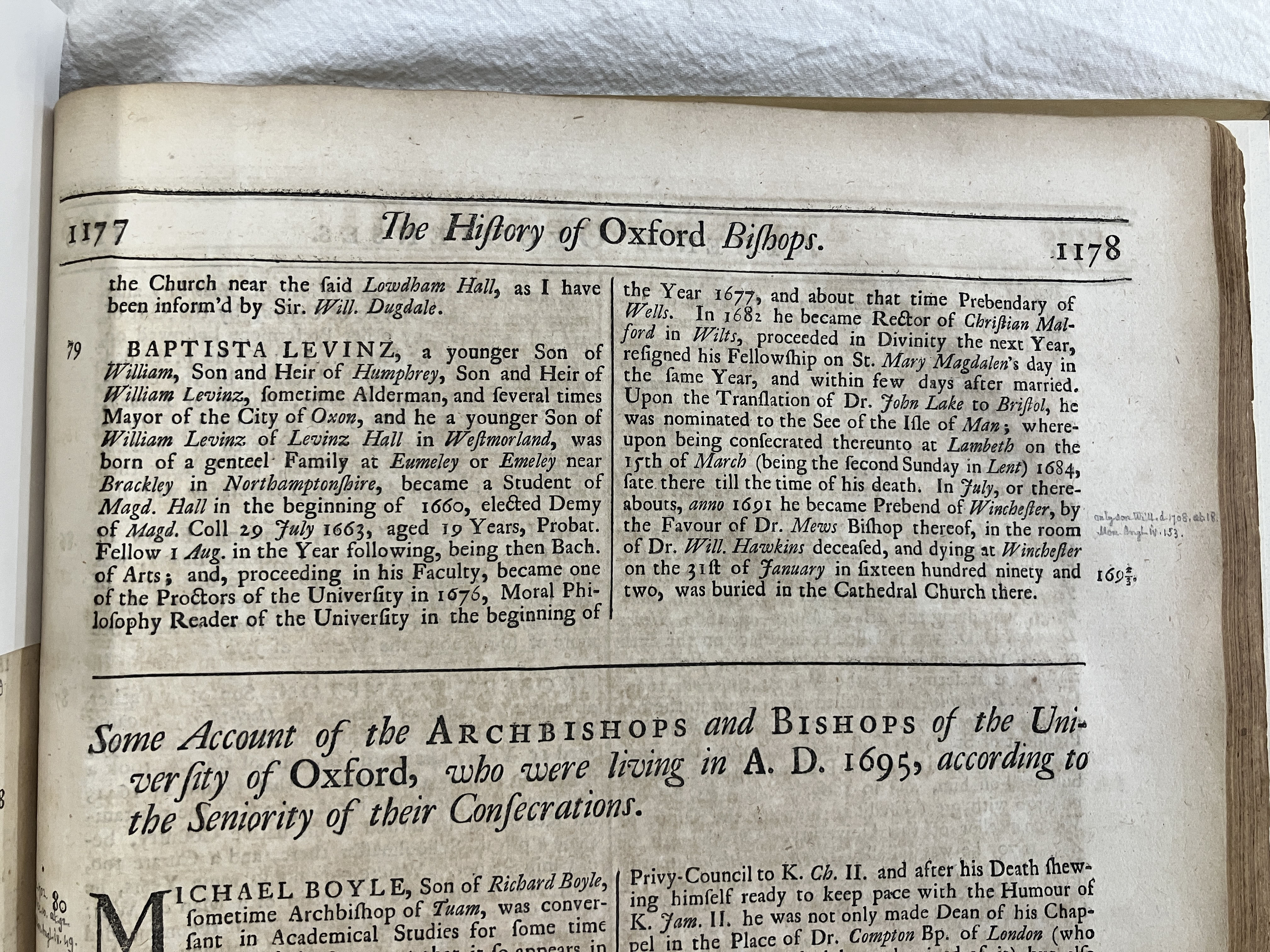
King James I reigned from the death of Queen Elizabeth I in 1603 to 1625. He established Pembroke College in 1624, thus providing a possible link on how our Eusebius made it to Pembroke College, from whence it made its way to Henry Wood.
In the entry for Thomas Wood we find references of two “Henrys”:
1. THOMAS WOOD was the son of “Henry Wood of Hackney in Middlesex, (Servant to Queen Elizabeth)..”
2. THOMAS WOOD’s elder brother was “Sir Henry Wood, his brother before mention’d, of Lowdham Hall in Suffolk, sometime Clerk of the Greencloth, died in the beginning of 1671, and was buried according to his Will after a fantastical way, in the Church near the said Lowdham Hall, as I have been inform’d by Sir Will. Dugdale.”
Thomas’ father, Henry Wood as former servant to Queen Elizabeth I, provides a close connection, but we would Thomas’ elder brother, Sir Henry Wood would have been the former owner who purchased it from Pembroke College and inscribed it sometime prior to 1671.
What do you think?
Former owners – J Diapen
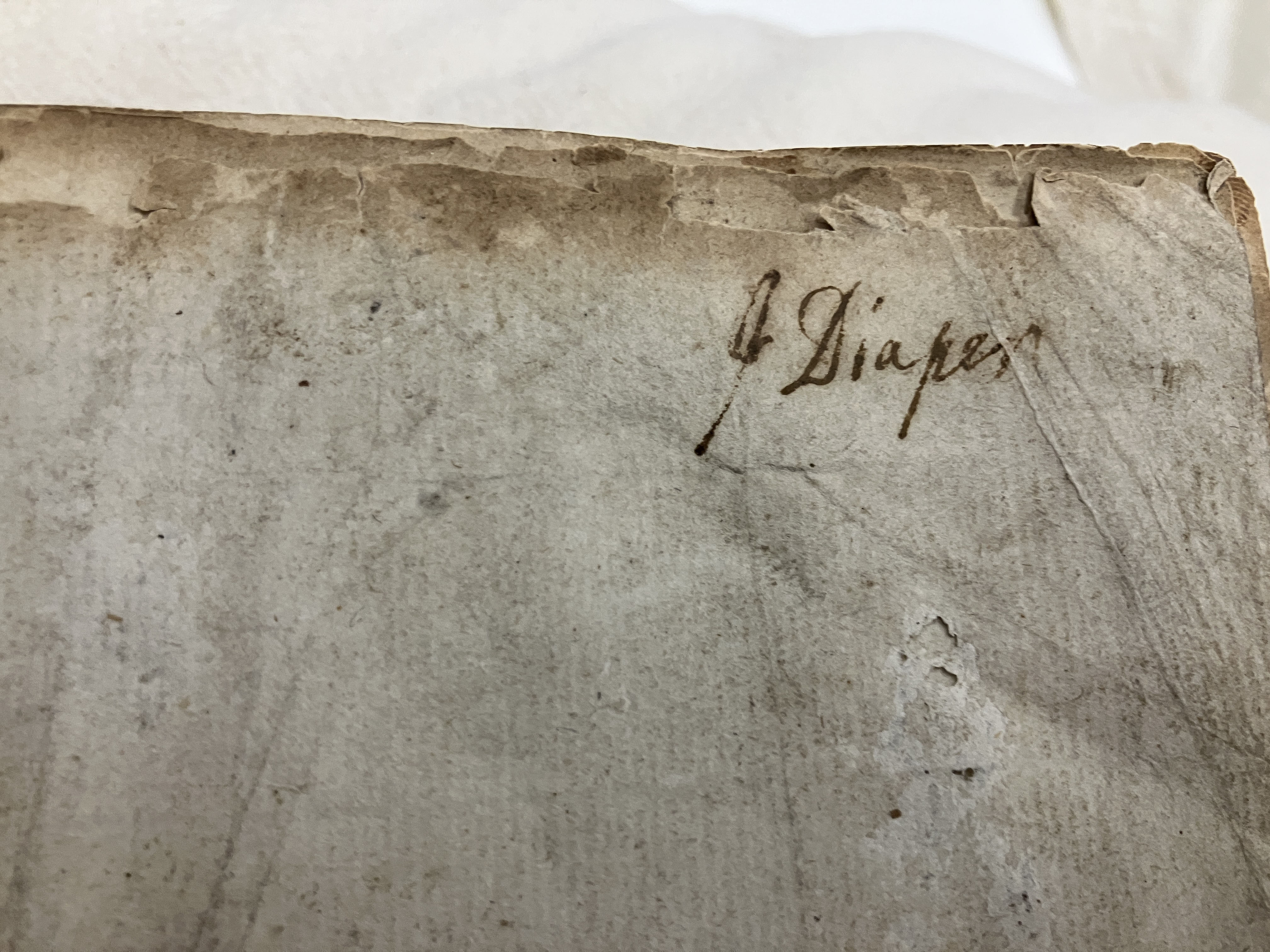
The second signature, at the top right hand side of the flyleaf reads either “J. Diapen” or “Diafen” and could possibly date from circa early 18th century?
Former owners – Bishop Tyrrell
Sometime prior to 1847 William Tyrrell (1807-1879), Anglican bishop, acquired the Eusebius, and sailed to Australia with his library to take up the position of Bishop of the Anglican Diocese of Newcastle.
The Eusebius is listed in a manuscript inventory of his library that Tyrrell compiled in May 1880.

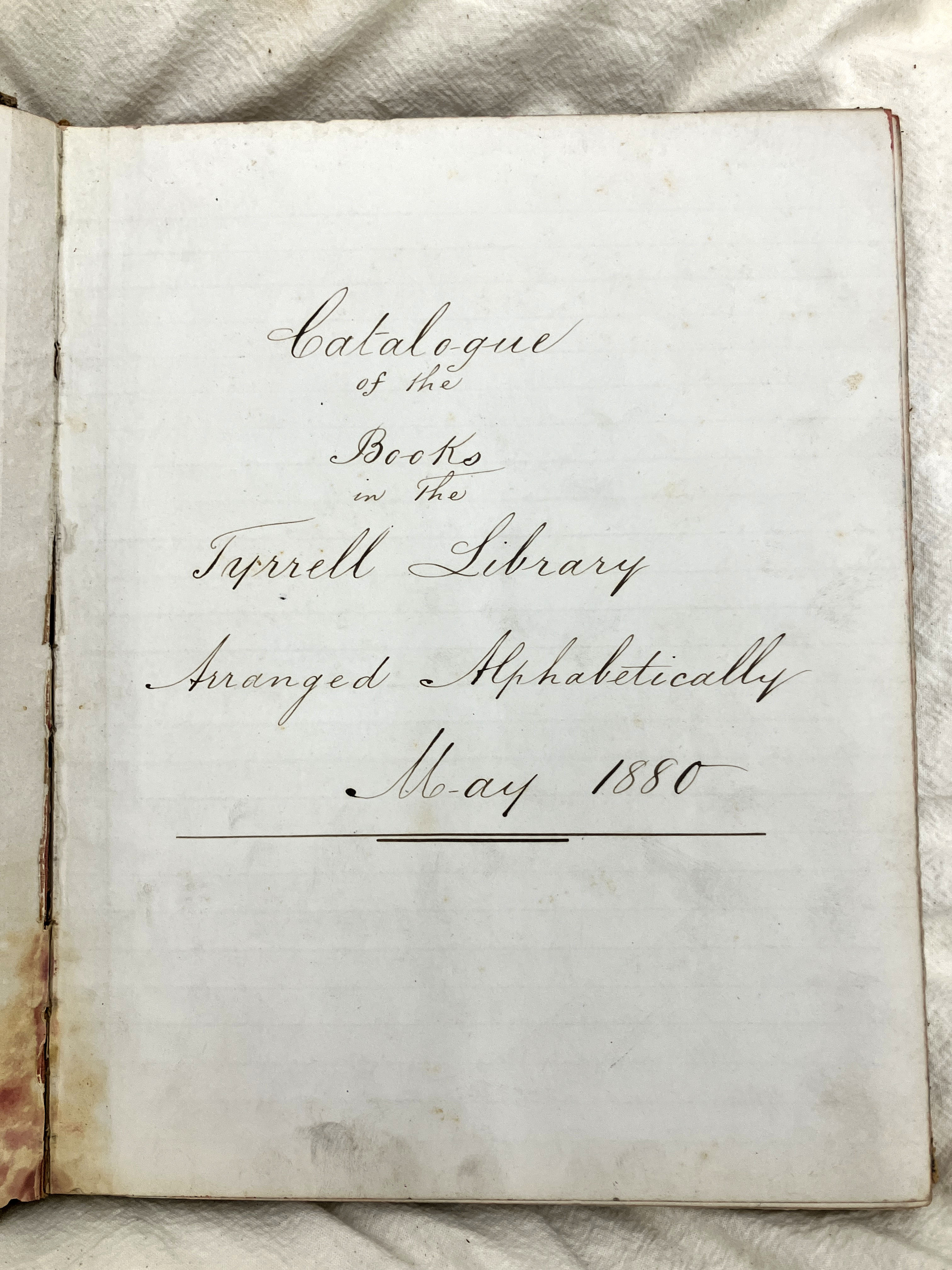
From Bishop Tyrrell’s Library it formed part of the Library of St John’s College Morpeth, and from there made its way to the University’s Archives Rare Books & Special Collections in the Auchmuty Library, where it remains to this day.

According to the Bestiaria Latina: Brevissima site:
“This tradition of the olive tree emblem and the motto “Noli Altum Sapere” goes back to the scholar Robert I Estienne, famous for having printed a Bible with verse numbers.”
Noli altum sapere, et plus quam mortalia fas est
Pectora; nam sapere, non nimium sapere est.
Above thy Knowledge, doe not rise
But, with Sobrietie, be wise.
We would be very interested if any scholars can better inform us in understanding the provenance of this book. We would greatly appreciate it.
Gionni Di Gravio OAM
University Archivist & Chair, Hunter Living Histories
One thought on “Tracing the Provenance of the University’s Oldest Book”