The University turns 60 this year as an autonomous Institution! So, we thought it would be a good idea to organise a get-together of as many living OPUS editors and associates (i.e., The OPUS Student Magazineers) as we can find to join us to remember the great revelry and ribaldry of The University of Newcastle Student Association’s OPUS Magazine.
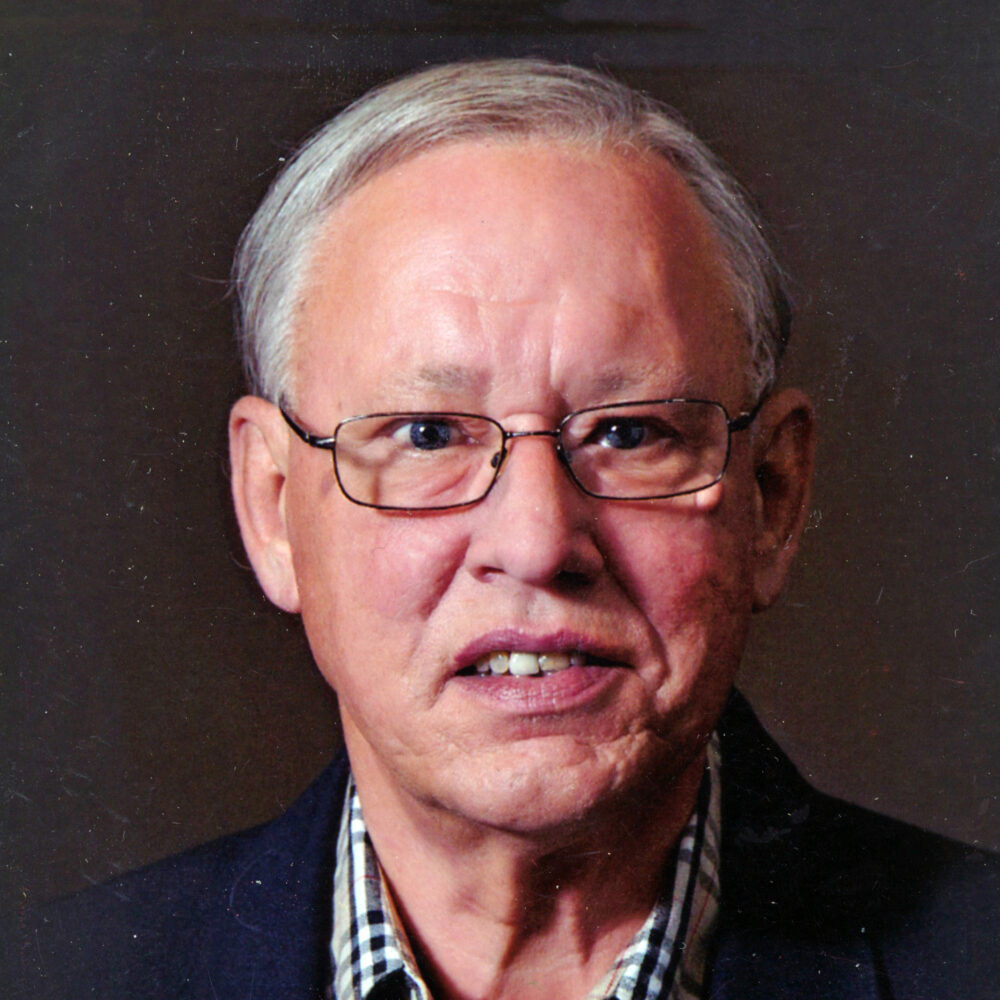
Mr Allan Morris. Member for Newcastle, N.S.W., 1983-2001. OPUS Co-Editor, 1965.
The earliest surviving OPUS Editor we have ever had the pleasure to know was the late Paul Danks (1943-2023). Paul gave a talk in September 2005 on his memories of student life at OPUS in 1962.
In the talk, Paul speaks about his time at the University, and the many photographs he took. He spoke of the early personalities such as Professors J.J. Auchmuty, Brin Newton-John, Godfrey Tanner, and Lord Mayor Alderman Frank Purdue and meeting the then 16-year-old Olivia Newton-John. He also spoke about how OPUS was made, with the manufacture of steel blocks for the photographs, from a business across the road from the original Newcastle Train Station and the actual printing of the publication at the presses of the Maitland Mercury. He was responsible for creating one the first of the OPUS spoof newspapers, The Newcastle Sin, and also his time time working on the Newcastle University College Revues, as a lighting and sound engineer. Most notable was assisting in a local performance of an up coming legend Barry Humphries in 1962. Barry Humphries was a friend of the University’s Dr Lionel Fredman, and it is through Lionel that Barry was able to include Newcastle in his tour.
Expedition to the Virgin Campus
We were particularly interested at the time with his photographs taken of the virgin Shortland campus, and the Aboriginal people that were living there, that the students stumbled upon on one of their expeditions. Paul could not find the original photos at the time. More on this is here: https://hunterlivinghistories.com/2023/03/23/aboriginal-uon/
When the University of Newcastle gained autonomy in 1965, it was then published by the Newcastle University Students Association as “Opus: Official Journal of N.U.S.A”
Origins of name came from a design of the original Arms adopted by the Newcastle City Council in 1859. The crest had the Latin motto on the scroll “Finis Coronat Opus” – meaning “the end crowns the work”.
“There was a meeting in a lecture theatre in the circular building at Tighes Hill TAFE in 1954 attended by a number of students and Professor CC Renwick to discuss the possibility of starting a student newspaper. When it was decided to proceed, I suggested it be named Opus as the then Newcastle arms had the motto Finis Coronat Opus. There was currently a copy of the arms at the Bar Beach surf pavilion which no longer stands. The name was agreed to and Bill Driscoll was elected editor. The first issue was printed by a printer who occupied premises in a run-down row of shops on the north side of Hunter St West, past the Technical College but not as far as Steel St. Hope this helps, Ken /-” – Email from Ken Shilling to Ann Hardy (1 June 2015)
Why is OPUS Significant in the History of the University of Newcastle?
OPUS forms one of the traditional pillars of student life at the University along with Autonomy Day and the University College Revues. On this traditional part of University Life:
“Notable amongst these are the student newspaper, “Opus”, which was first published in 1954, the annual day of “celebration”, Autonomy Day, July lst , on which day students hit town, generally with a procession – so far we’ve attacked the Transport Department (1956) and the rock’n’roll craze (1957). These celebrations culminate in the Cabaret on the same evening. Now Revue is joining this list of “traditions”. The aim of a University Revue is to rend(er) limb from limb politicians and professors, fascists and physicists, liberals and communists – in fact any one and anything that has of late been before the public eye and is worthy or unworthy enough to deserve satirizing.” – From the Editorial in “Abandon Hope” July 1958 Newcastle University College Students’ Association Revue Booklet.
Yes, the Stockton Ferry was OPUS under another name, commandeered by the late James Beiers and his fellow students who were into drug reform and named it “the Stockton Ferry” because it was the “cheapest trip in town.”
According to the Late Emeritus Professor Godfrey Tanner:
GT: It was the renamed OPUS circa 1972-1974. The brainchild of James Beiers (a.k.a. Jimmy) and his co-editors who were into drug reform. The idea being that readers would be encouraged to take short trips after reading the contents. He unfortunately was killed in a car accident in early 1973 on the Hume Highway on route to Melbourne for a music festival of sorts. He was an orphan and had a wonderful mind; it’s unfortunate it ended so tragically. He was involved with a short student film that had a character who was killed and buried in his role. On the night he died we had a sense of his presence in the room at my house around the moment of his death; we were having dinner. An uncanny end.” – Phone conversation between Professor Godfrey Tanner and Gionni Di Gravio, 15 December 1998 11:45am
Great thanks to Matt Ward, former editor of TANNER OPUS, for all his advice and help in tracking down and contacting former OPUS editors and people to let them know. We would love to hear more stories behind the OPUS issues.
Besides the atmospheric nostalgia that surrounds 60th celebrations, the world is also facing major challenges as it slides into misinformation chaos, insatiable greed, war mongering depravity and environmental collapse. It’s important to remember there is always the light of hope in the world, as human beings are capable of anything, from the angelic to the demonic, and the stories we tell ourselves help us to shape ourselves and the world in which we all live.
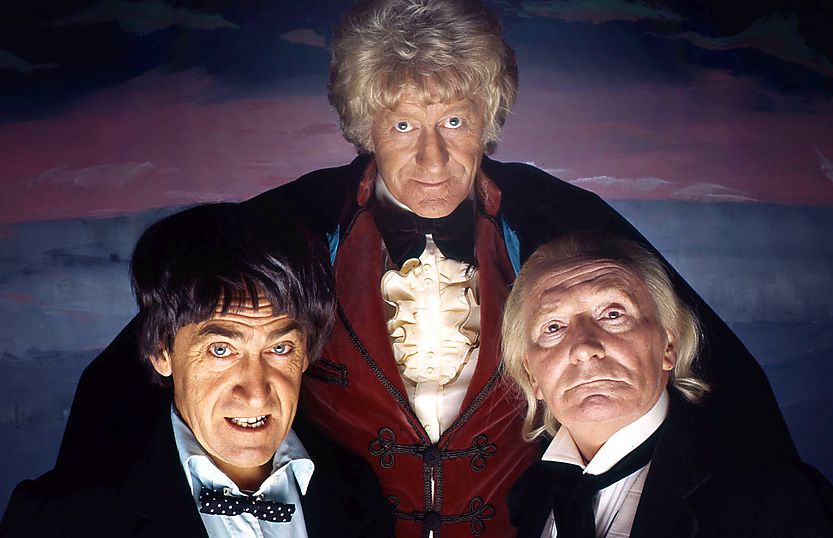
For the lovers of Dr Who: our favourite episodes of Dr Who were always the ones where various assortments of former doctors would come together across time and space to help the current Doctor Who in the fight of their lives against some impossible monster or impending universal doom. And, so, we reckon bringing the past OPUS editors together across time and space and tell us the great stories of OPUS that saved the world in the past, will help our current OPUS editors save the world once again for the new generation!
Gionni Di Gravio OAM
University Archivist & Chair, Hunter Living Histories
Matt Ward was never an editor of Opus. Historical accuracy matters.