

UNIVERSITY OF NEWCASTLE (AUSTRALIA)
HUNTER LIVING HISTORIES
ANNUAL REPORT 2025
Preserving the Past, Powering the Future:
Regional History in the Digital Age
Delivered at the Hunter Living Histories Showcase 1 December 2025. Statistics updated in January 2026. This HLH Report was a generated by asking three AI language models (ChatGTP, Gemini, Claude), with the assistance of the prompt created with the help of the Prompt Cowboy, to analyse the last five years of Hunter Living Histories reports and the posts for 2025, as well as year’s statistics, and report on our performance in fufilling the objectives of the University of Newcastle’s Strategic Plan 2020-2025 and the Commonwealth Government’s Revive Cultural Plan launched in 2023. Final report is a composite of the three approaches and provides a useful experiment on AI’s use. In using such tools, we advise that you need to really know your data, or else AI can misinterpret information, and source irrelevant data sources.
-
Executive Summary – Who We Are & What We Do
Hunter Living Histories (HLH) operates as a vital cultural heritage initiative of the University of Newcastle, dedicated to preserving, digitising, and sharing the unique historical records of the Hunter Region, Central Coast, and broader New South Wales.
We bridge the gap between academia and the community, providing open access to millions of historical assets and fostering public engagement with the past.
In 2025, The Auchmuty Library’s Hunter Living Histories, Special Collections (Archives & Rare Books) and GLAMx team of staff, students and community volunteers continued to demonstrate the crucial role of digital access and community-led research, setting new benchmarks for public access and engagement while ensuring the ethical and professional stewardship of invaluable regional collections.
These exceptional achievements in digital engagement and sustained community impact, marked another year of excellence and reinforcing its position as one of the University of Newcastle’s flagship public engagement initiatives.
Our work is a direct reflection of the University’s commitment to excellence, engagement, and regional service, and aligns strongly with the Australian Government’s vision for a thriving, accessible national cultural sector, therefore validating our strategic alignment with institutional and national cultural priorities.
Digital engagement reached unprecedented levels, with the Living Histories Data Platform achieving 17.1 million views in 2025, representing a 33% increase over 2024. The Special Collections Flickr site surpassed 79.4 million lifetime views, while YouTube subscriptions grew by 545 new subscribers, contributing to 176,000 views for the year. The Hunter Living Histories blog itself attracted 136,149 views, bringing the total to over 1.4M views since it launched in 2009, demonstrating sustained community need for regional heritage narratives.
Hunter Living Histories delivered over 66 published posts and hosted 62 guest presenters through monthly showcases that engaged academics, the student community, and the general public in preserving and sharing regional history. It continues to serve as a vital conduit between the University’s scholarly resources and the communities of the Hunter and Central Coast regions.
This 22-year journey, which began as the Coal River Working Party in 2003, demonstrates unwavering institutional commitment to regional engagement, cultural heritage preservation, and academic-community collaboration.
These achievements align directly with the University of Newcastle Strategic Plan 2020-2025, particularly the Engagement Priorities of Connected Communities and engagement with regional stakeholders.
The program’s work also advances national objectives outlined in Australia’s Revive National Cultural Policy, supporting the pillars of First Nations First, A Place for Every Story, and Strong Cultural Infrastructure through sustained digital preservation and community-led storytelling initiatives.
![Camilla Franks with Dr Ann Hardy in the Hunter Regional Episode of "Who Do You Think You Are?" [Air Date: 17 June 2025]](https://hunterlivinghistories.com/wp-content/uploads/2025/12/Camilla-Franks-Dr-Ann-Hardy-Who-Do-You-Think-You-Are-2025.jpeg)
Thanks to Our Volunteers
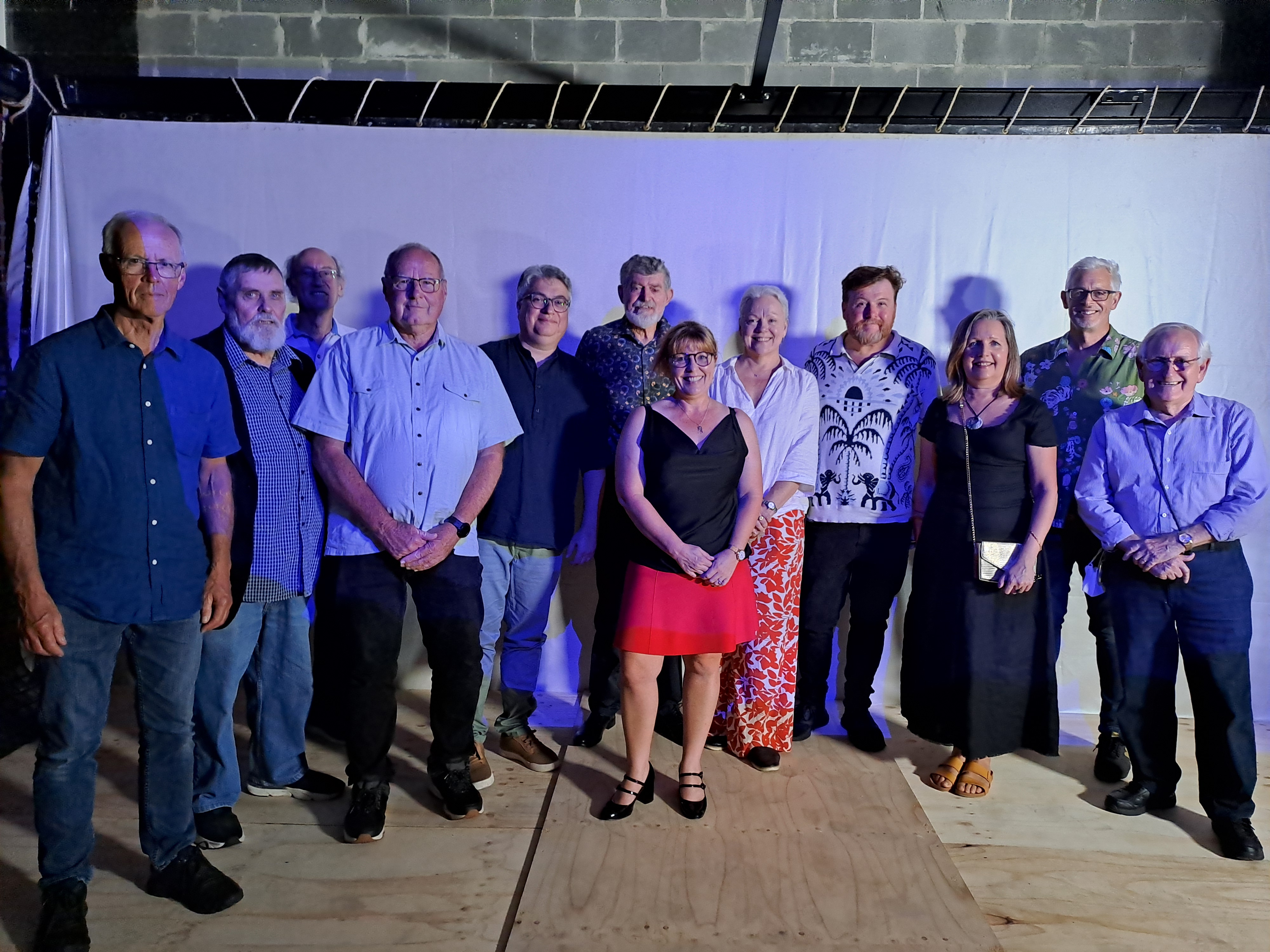
Our volunteers in the GLAMx Lab provided us with 3745 hours or 535 days of unpaid service, a dollar value of $206,370.19 gift to our University and Communities.
They are:
- Leigh Budden
- Terry Busch
- Charlie Dunkley
- Jim Wilson
- Garry Finlay
- Mitchell Cassilles
- Melissa Cousens
- Glenn Cooke
- Kim Dempsey
- Robert Farquarson
- Angus Glasper
- Anne Kay
- Phillip Lloyd (and Adjunct Lecturer)
- Mark Goolmeer
- Mark Rigby
- Michael Sheriff
- Harison Butler
- Drew Phillips
- Jessica Waugh
- Sarah Xenos
- Melissa Cousens
- Rhys MacKenzie
Thanks for all the support during this year. In addition to our inhouse volunteers, we are greatly appreciative of the career ready placement students, staff and community supporters (Barry Nancarrow, Steve Legge, Jan Welsman, Steve Bates, Mary Boddy, Andrew Mercado) who have helped make our histories come alive.
2025 Highlights
- Living Histories Data Platform – 17.1M Views (For Year As at 24 Nov 2025)
- Special Collections Flickr Site – 79.4M views (Lifetime)
- Special Collections YouTube – 176.0K Views with 545 New Subscribers (For Year 2025), Over 881.5K Views, with over 53.9K hours watched since 2008
- Hunter Living Histories Site 136.1K View
- Hunter Living Histories published 66 posts researched and created during 2025 and shared through community social media channels, Linkedin, internally through Teams and Viva Engage.
- Hunter Living Histories hosted 62 guest presenters for the year 2025.
- Strategic Alignment: Successfully integrated Work Integrated Learning (WIL) through the Vera Deacon Intern program, directly supporting the University’s objective of 100% undergraduate WIL participation and delivering career-ready graduates.
- Cultural Leadership: Activities focused strongly on First Nations historical accounts, UON history (“UON60“), and professional sector engagement (ASA 2025 Presentations), supporting the objectives of the Revive Australia 2023, particularly regarding First Nations Arts and digital cultural access.
- UON Library 2024 Report (Released 13 October 2025)
In summary: As we reflect on 2025, Hunter Living Histories has demonstrated the vital role cultural heritage institutions play in preserving community memory while driving innovation in digital access and engagement.
Our work this year exemplifies the University’s commitment to being a world-leading institution for our regions, directly addressing strategic priorities around engagement, equity, excellence, and sustainability.
From digitising the treasures of historic Cintra House in Maitland to hosting critical conversations about the role of our University and its communities in its 60th year, we have continued to bring regional histories to life while training the next generation of heritage professionals.
The establishment of our Vera Deacon Internship program has created tangible pathways for students to develop career-ready skills while contributing to meaningful community projects.
Our alignment with the Revive National Cultural Policy’s pillars—particularly “A Place for Every Story”—has guided our efforts to amplify diverse voices, support First Nations storytelling, and ensure regional communities have access to their own histories.
Thank you to our volunteers, community partners, guest presenters, and university colleagues who make this work possible.
Despite being the midst of a University restructure and administrative upheaval since June, the HLH is performed strongly, building digital reach and content richness, delivering engagement with regional heritage, and contributing to strategic university objectives (life-ready graduates; connected communities; Asia-Pacific footprint) and national cultural goals (diversity, accessibility, creative engagement). The forward outlook is positive — provided continued resources, we expect further growth in digital audiences, deeper community partnerships and stronger external cultural-investment alignment.
Year in Review
Program Overview
2025 marked a significant year for Hunter Living Histories as the University celebrated its 60th anniversary (UON60). The program successfully integrated this milestone into its storytelling, producing content that explored the University’s prehistory and evolution while maintaining focus on broader regional heritage.
Hunter Living Histories maintained its commitment to monthly showcases held both in-person at the Auchmuty Library (Room L326) and via Zoom, ensuring accessibility for regional participants. Throughout 2025, the program presented:
February Showcase: Featured “Number 96 – Women in Media” presentations by Andrew Mercado and Dr Jeannine Baker exploring regional media history
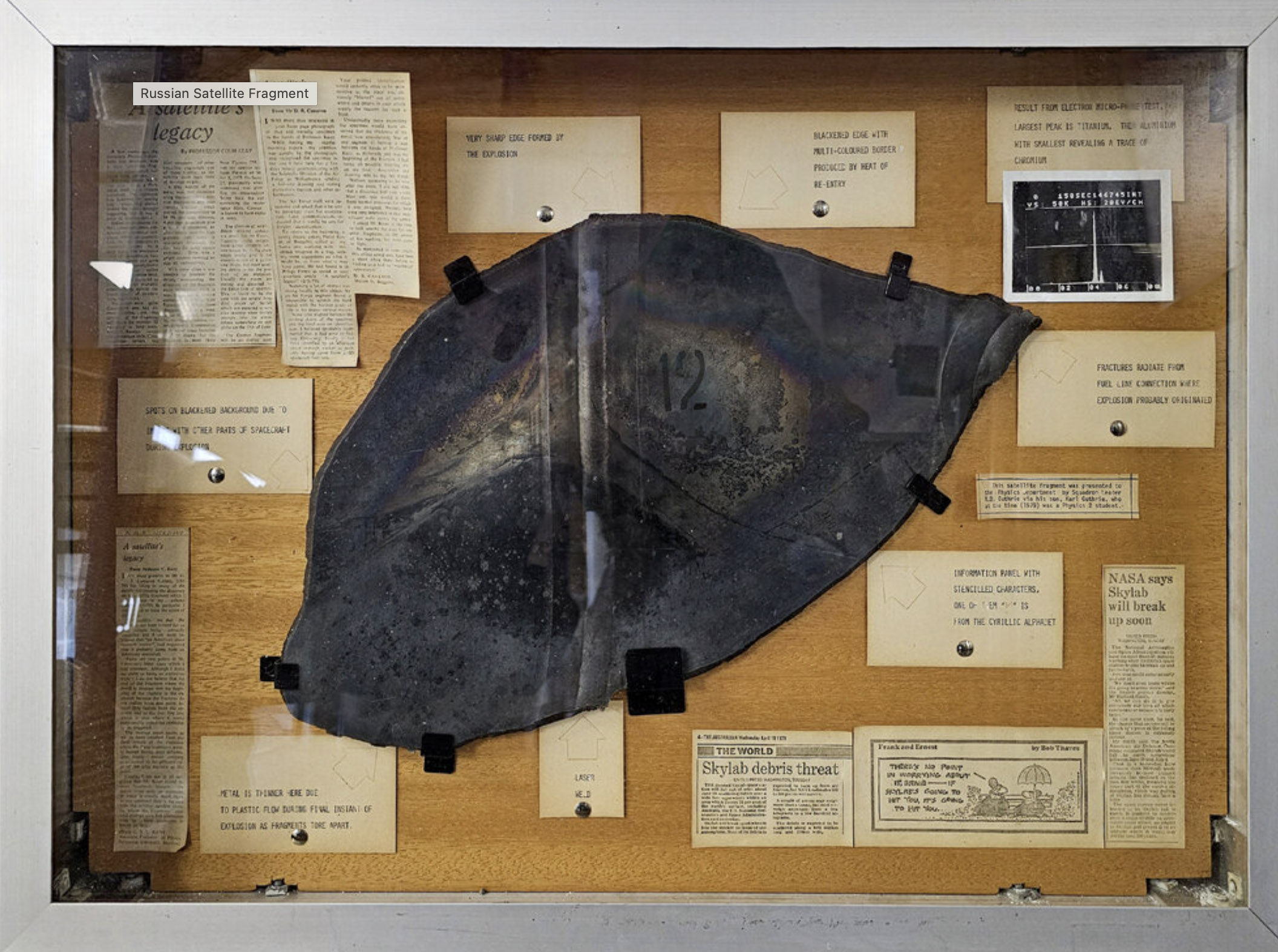
March Showcase: Highlighted Professor Colin Keay’s “Cosmic Fragments From Space and Time,” including presentations on the satellite legacy that fell in the Pilliga Forest in 1975 and Dr. Rhona Beare, the University’s Classics lecturer from 1966
April Showcase: Held as an in-person event at the Arts Maritime Hub in Newcastle, with the screening of Shipwrecked, Stories of Our Town and presentations from Greg Ray, Bob Cook, Dr Nicolas Foulcher and Zach Allan expanding community engagement beyond the campus
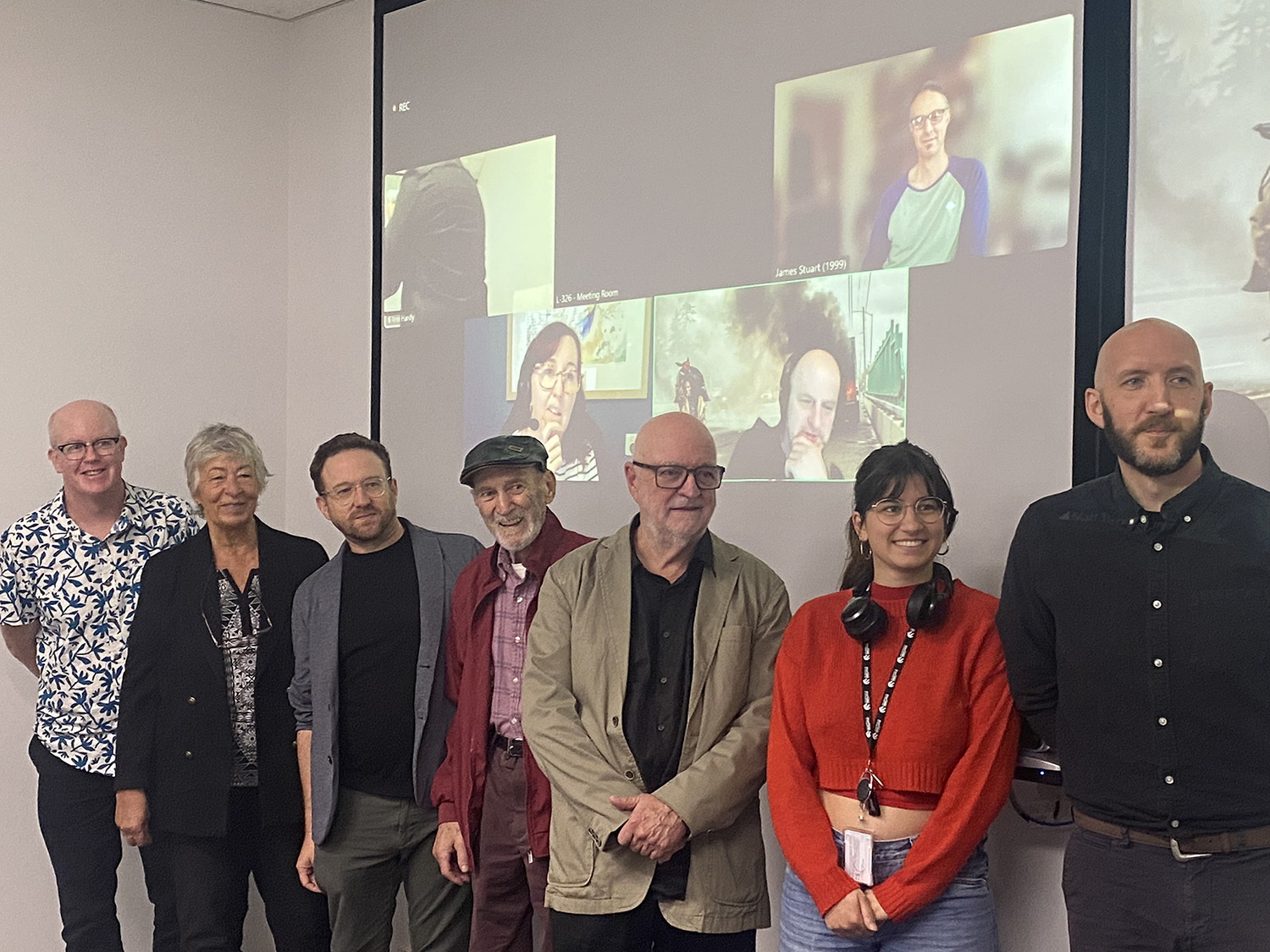
May Showcase: Commemorated 200 years since Reverend Threlkeld’s arrival in Newcastle and featured the OPUS Student Magazine Editor Reunion (1954-Present)
June Showcase: Focused on Chinese Market Garden heritage in the Hunter Region
July Showcase: Presented “‘Uncommon Endeavour’: the life” and other regional biographical histories
August Showcase: Examined “Our Communities and Our University,” featuring Spirit of Place: Aboriginal Sites of the Hunter Region with Uncle Warren Taggart and Carol Carter, plus updates on Victoria Theatre and Newcastle Post Office heritage funding grants
September Showcase: Featured a community discussion on “What do our Communities need from our University?” and the Library Strategic Plan
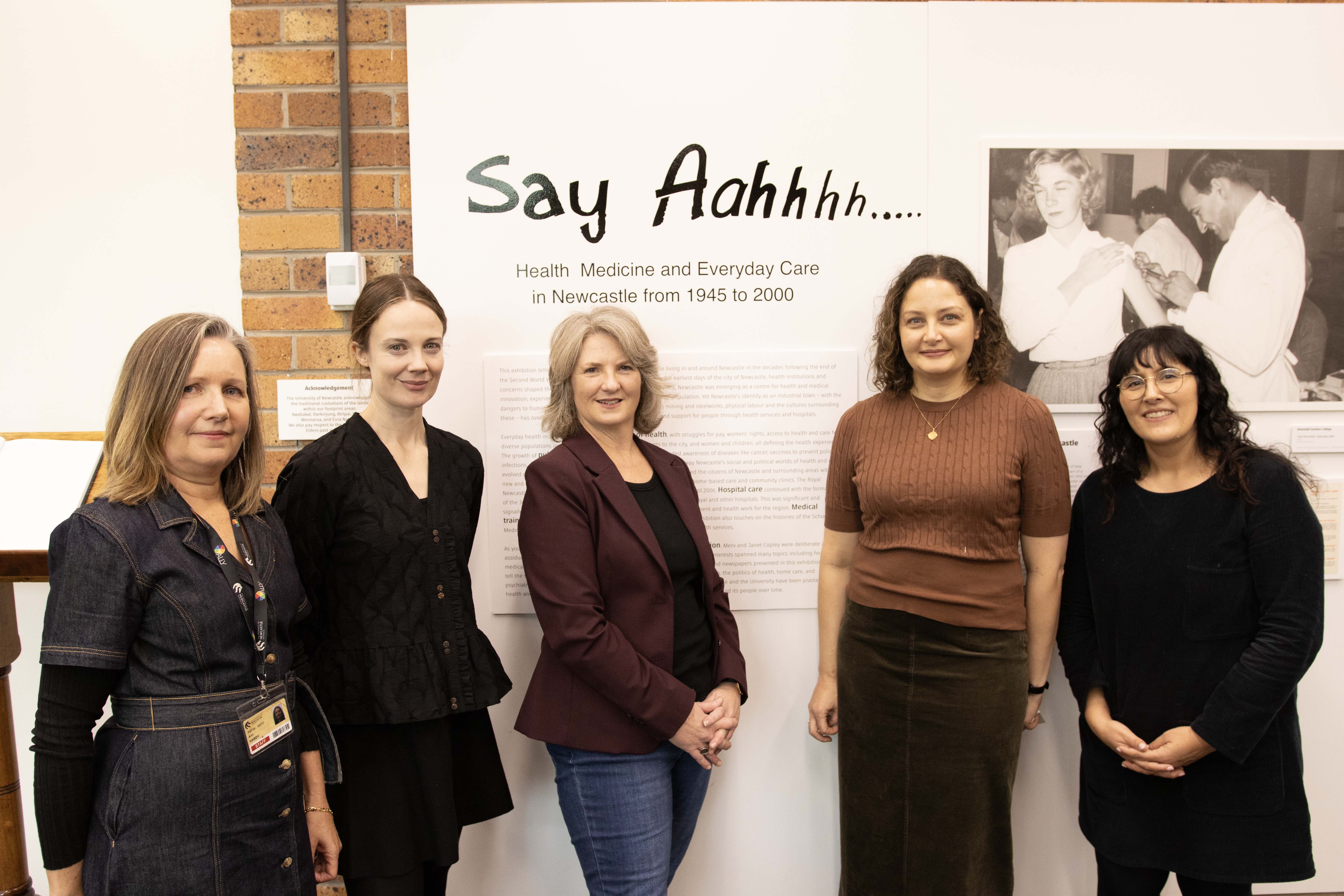
October Showcase: Hosted panel discussion on the “Say Aahhhh…Health, Medicine and Everyday Care” exhibition
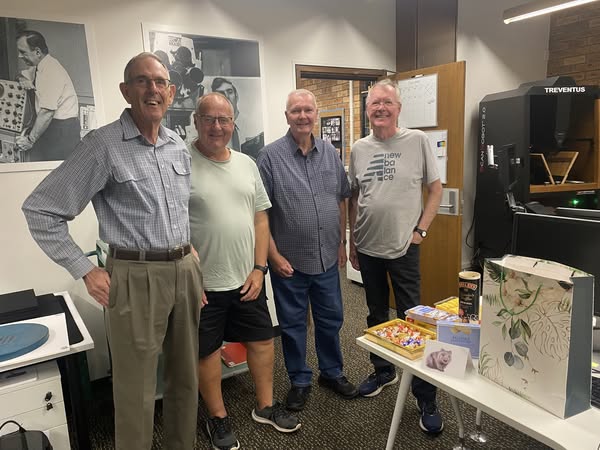
November Showcase: Featured presentations on LGBTIQ+ Newcastle research by Dr. Justin Ellis and presented the new book “Eraring: A Technical and Social History” by Dr. Ken Thornton
December Showcase: Concluded the year with Scott Bevan’s “Newcastle: The Lives and Times of a City” and Judith Nangala Crispin latest work of poetry.
Major Projects and Initiatives
UON60 Celebrations: The program successfully created content celebrating the University’s 60th anniversary, documenting institutional prehistory including the Newcastle University College, Newcastle Teachers’ College, Newcastle Conservatorium of Music, Art School and Altjiringa and OPUS student magazines.
Hannan Photographic Archive: Continued digitization and conservation of approximately 1 million photographic images spanning the 1950s to 2010s, making regional history accessible through the Living Histories Data Platform
Aboriginal History and Culture: Published significant content on Aboriginal First Nations heritage, including work on Yallarwah Place, Spirit of Place presentations, and cultural mapping projects across Awabakal and Worimi Countries
Vera Deacon Internship 2025: Erica Wright served as the 2025 Vera Deacon Intern, contributing professional heritage work including the “Treasures of Cintra” project while developing career-ready skills
Australian Society of Archivists Conference: Gionni Di Gravio OAM presented “Bringing Out The Stories of Your Town” at the 2025 ASA National Conference, showcasing the program’s methodology to national archival professionals
Photographic History Project: Published comprehensive overview of Newcastle and Hunter Region photography history, documenting the continuum from early daguerreotypes through Ralph Snowball’s mastery to contemporary archives
Indigenous Engagement: Maintained commitment to Aboriginal cultural protocols and supported Aboriginal First Nations knowledge sharing through presentations by Uncle Warren Taggart, and documentation of Aboriginal archaeological sites and cultural practices
-
Platform Performance (2025 Metrics)
| Platform | Achievement | Scope | Significance |
| Living Histories Data Platform | 17.1 Million Views | Year Ending 24 Nov 2025 | Demonstrates massive global demand for digitised Hunter Region content. |
| Special Collections Flickr Site | 79.4 Million Views | Lifetime (As of Nov 2025) | Underscores the long-term, sustained international impact of our archival digitisation program. |
| Hunter Living Histories Site | 136.1K Views | Year Ending 24 Nov 2025 | Reflects high engagement with original, researched content and published community history. |
| Special Collections YouTube | 176.0K Views | 2025 Annual Total | Shows continued success in visual storytelling and educational content delivery. |
| Special Collections YouTube | 545 New Subscribers | 2025 Annual Total | Indicates sustained audience growth for long-form visual history. |
| Total Reach (YouTube) | 906.8K+ Views & 55.9K+ Hours Watched | Since 2008 | Confirms the platform’s role as a major educational resource. |
| Research Output | 66 Researched Posts Published | 2025 Annual Total | High commitment to scholarly contribution and public-facing historical research. |
| Community Engagement | 62 Guest Presenters Hosted | 2025 Annual Total | Highlights the success of the monthly Hunter Living Histories Showcase in fostering community partnership and knowledge sharing. |
-
Big Wins & Impacts: Highlights of 2025
-
Research, Regional Identity, and First Nations Perspectives
Our publishing efforts in 2025 cemented HLH’s role in promoting critical regional research. Notably, posts focusing on First Nations perspectives were a significant feature, including the major researched piece: “Koen: Further Historical Accounts of the Supreme Aboriginal Spiritual Being…” This work ensures that Aboriginal and Torres Strait Islander histories are brought to the foreground of regional identity.
We also engaged deeply with the University’s own heritage, coinciding with the UON60 milestone. Posts like “UON60: 1989 Year of Revolutions, Earthquakes & Amalgamations” and the historical reflection “A Premonition in Passing: the Newcastle Earthquake 1989 As It Happened” provided critical historical context for major regional events, demonstrating the powerful synergy between university and community history.
-
Nurturing the Next Generation of Cultural Professionals
A core success in 2025 was the integration of Work Integrated Learning (WIL) opportunities. The post, “From Student to Professional: Getting Career-Ready as the 2025 Vera Deacon Intern,” showcases the hands-on professional development provided by the initiative. This was further highlighted by the project documentation of “Digitising the Treasures of Cintra House: Mapping the Journey,” which gave student intern practical, high-level experience in digital heritage management, preparing them for the future workforce.
-
Leading Digital and Community Engagement
The Hunter Living Histories Showcase hosted 62 guest presenters throughout 2025, providing a crucial and active platform for independent researchers, cultural practitioners, and community members to share their findings. This sustained engagement demonstrates HLH’s role as the central convenor for regional history.
Our commitment to digital practice was shared nationally in the presentation “Bringing Out The Stories Of Your Town – ASA 2025 Presentation,” confirming the initiative’s leadership in using digital platforms for community archives and extending the reach of regional stories across Australia.
Key Content Themes for 2025:
- UON60 History: A continued series documenting the University’s heritage, including “UON60: 1989 Year of Revolutions, Earthquakes & Amalgamations” and “UON60: Altjiringa,” preserving institutional memory.
- Career-Ready Placements (WIL): The 2025 Vera Deacon Intern (Erica Wright) was prominently featured, showcasing tangible outcomes like the “Digitising the Treasures of Cintra House” project, demonstrating HLH’s role in student skill development.
- First Nations History: Focused research posts, such as “Koen: Further Historical Accounts of the Supreme Aboriginal Spiritual Being,” affirm the commitment to respectful and informed Aboriginal heritage documentation.
- Sector Leadership: Presentation “Bringing Out The Stories Of Your Town” at the ASA 2025 National Conference positioned HLH as a leader in archival community engagement and digital outreach.

Guest Presenters and Community Engagement
Hunter Living Histories hosted 62 distinguished guest presenters in 2025, representing diverse expertise in regional history, Indigenous knowledge, heritage conservation, and cultural research. These presenters contributed to the program’s mission of community-led storytelling and knowledge sharing.
Notable 2025 Guest Presenters
Indigenous Knowledge Holders:
- Uncle Warren Taggart (Wonarua Elder) – “Spirit of Place: Aboriginal Sites of the Hunter Region” co-presenter
- Shane Frost – Awabakal Descendant and Historical Researcher
Academic Researchers:
- Dr. Justin Ellis – LGBTIQ+ Newcastle researcher
- Professor Catharine Coleborne – “Say Aahhhh…” health and medicine exhibition curator
- Dr Effie Karageorgos – “Say Aahhhh…” health and medicine exhibition curator
- Dr Jeanine Baker – Women in Media
- Dr Jude Conway – Women’s Histories
- Dr. Ann Hardy – Exhibition co-curator and GLAMx coordinator
- Dr. Ken Thornton – “Eraring: A Technical and Social History” author
- Dr Nicholas Foulcher – Delprat’s Cottage 3D
- Roland Bannister – Musicologist
- Zach Allan – Emerging Technologies Delprat’s Cottage 3D Project
Heritage Professionals and Authors:
- Scott Bevan – “Newcastle: The Lives and Times of a City” author (December showcase)
- Daniel Ballantyne (Project Manager) – Victoria Theatre funding grant update
- Andrew Mercado – Australia Television History
- Glenn Dormand – Stories of Our Town, Newcastle Post Office project
- Minna Muhlen Schulte (Manager, Interpretation and Design, GML Heritage) – Newcastle Thematic History
- Greg Ray – Author and Researcher
- Tim Adams – UNWELT Archaeologists
- Elizabeth Adams – Historian & Author
- Mr Robert Watson – Community Researcher
Library Specialists:
- Matthew Davis (University Librarian) – Library Strategic Plan
- Beth White (Associate Director Collections and Digital Services) – Library Strategic Plan
Student Interns & Placements:
- Erica Wright (2025 Vera Deacon Intern) – Career ready development and Cintra treasures project
- Alex Hunter (Career Ready Placement student) – 60th anniversary commemorations and the NBN TV Archive
- Jesse McKay (Career Ready Placement student) – Creative Trailers
- Leto Oxenham – UON60 Projects
- Lisa Pritchard – University of Sydney Museums and Heritage Studies GLAMx Placement
Heritage Organizations:
- Hunter Regional Committee of the National Trust representatives (Mark Metrikas, Ross Edmonds)
- Newcastle Industrial Heritage Association (Mr Bob Cook)
- Newcastle Family History Society
- Various local history organizations and preservation advocates
Community Engagement Impact
The guest presenter program in 2025 facilitated:
- Knowledge transfer from community experts to university stakeholders and broader public
- Documentation of endangered histories and underrepresented narratives
- Strengthening of relationships between the University and regional heritage organizations
- Multi-generational dialogue on regional identity and cultural heritage
- Professional development opportunities for emerging heritage practitioners (including the Vera Deacon Intern)
![Spirit of Place (L-R) Allan Chawner, Uncle Warren Taggart, Gionni Di Gravio, Carol Carter, Doug Lithgow. 4 August 2025 [Photo: Dr Ann Hardy]](https://hunterlivinghistories.com/wp-content/uploads/2025/07/2025-08-04-HLH-Guests.jpg)
Strategic Alignment with University of Newcastle Strategic Plan 2020-2025
Hunter Living Histories’ 2025 activities demonstrate strong alignment with multiple strategic objectives within the University of Newcastle Strategic Plan 2020-2025. The program’s work directly supports institutional priorities across Engagement Priorities, Life-Ready Graduates, Indigenous Commitment, and Reimagining Our Campuses and contributing to the University’s vision of being “a world-leading university for our regions.”

-
Engagement Priority: Connected Communities
Strategic Objective: “We will create a stronger, more inclusive society by collaborating with communities to build local capacity, social connectedness, and sense of belonging.”
2025 Alignment Evidence:
- Monthly Community Showcases: 12 hybrid showcases (in-person and Zoom) ensured accessibility for diverse community members across the Hunter and Central Coast regions, directly building social connectedness through shared heritage exploration
- 62 Guest Presenters: Community experts, Indigenous knowledge holders, and local historians shared knowledge, building local capacity in heritage preservation and storytelling
- 17.1 Million Platform Views: Digital access democratized regional history, ensuring communities could connect with their heritage regardless of geography or socioeconomic barriers
- April In-Person Event: Hosting the April showcase at the Arts Maritime Hub in Newcastle demonstrated commitment to bringing the University into community spaces, strengthening sense of place and belonging
The program’s consistent documentation of diverse community voices—from Aboriginal Elders to local historians, LGBTQIA+ researchers to heritage professionals—created inclusive narratives that reflect the breadth of regional identity.
-
Engagement Priority: Living Lab Model and Multidisciplinary Networks
Strategic Objective: “To advance our four Engagement Priorities, we will implement a Living Lab model to facilitate partner-led problem solving and innovation that stretches beyond the boundaries of our University.”
2025 Alignment Evidence:
- Cross-Disciplinary Collaboration: The “Say Aahhhh…Health, Medicine and Everyday Care” exhibition brought together historians, medical researchers, and archivists (Professor Coleborne, Dr. Roberts-Pedersen, Dr. Karageorgos, Dr. Hardy), exemplifying multidisciplinary approaches to heritage
- Research-Community Partnerships: Dr. Justin Ellis’s LGBTIQ+ Newcastle research presented at the November showcase demonstrated academic-community collaboration on underrepresented histories
- Heritage Technology Integration: Digital platforms (Living Histories Data Platform, Flickr, YouTube) served as living laboratories for heritage digitization, accessibility, and public engagement methodologies
- Student Integration: The 2025 Vera Deacon Intern program provided experiential learning opportunities, connecting academic theory with professional heritage practice
-
Our Commitment to Indigenous Higher Education, Innovation and Engagement
Strategic Objective: “We are the sector leader in terms of Indigenous student enrolments and the employment of Indigenous staff, and commit to building on this strength and extending our collaboration and partnerships with Indigenous peoples of our regions and beyond.”
2025 Alignment Evidence:
- First Nations First Approach: Hunter Living Histories consistently prioritized Aboriginal and Torres Strait Islander cultural protocols, beginning each showcase with Acknowledgement of Country by Gionni Di Gravio OAM
- Indigenous Knowledge Sharing: Uncle Warren Taggart and Carol Carter’s “Spirit of Place: Aboriginal Sites of the Hunter Region” presentation preserved and shared Indigenous knowledge of Country in culturally appropriate ways
- Cultural Mapping Projects: Ongoing work mapping Aboriginal First Nations places and stories across Awabakal and Worimi Countries supported Indigenous self-determination in heritage documentation
- Respectful Engagement: All content featuring Aboriginal history included cultural warnings and respect for protocols, modelling best practices for Indigenous engagement in higher education
Strategic Plan Goal Connection: “We will work with Indigenous people and be guided by Indigenous knowledges to look after and promote country and culture” – directly fulfilled through collaborative projects with Traditional Custodians.
-
Life-Ready Graduates: Work Integrated Learning
Strategic Objective: “All of our undergraduates will have a Work Integrated Learning experience during their studies.”
2025 Alignment Evidence:
- Vera Deacon Internship: Erica Wright’s 2025 internship provided comprehensive professional development in heritage sector work, including research, digitization, curation, and public engagement—exemplifying the Work Integrated Learning model
- Career-Ready Skills Development: The intern documented gaining “a portfolio of highly employable skills” through authentic heritage projects, aligning with the Strategic Plan’s emphasis on work-readiness
- GLAMx Lab Volunteer Program: Provided ongoing opportunities for students to gain hands-on experience in galleries, libraries, archives, and museums (GLAM) sector work
- Community Engagement Experience: Students participating in showcase organization, content creation, and heritage documentation gained direct experience in public-facing professional contexts
These placements provide students with:
- Real-world experience in GLAM (Galleries, Libraries, Archives, Museums) sector operations
- Digital literacy skills through digitization, metadata creation, and online curation projects
- Research skills through archival research and oral history projects
- Community engagement skills through direct interaction with community stakeholders and heritage organizations
- Multidisciplinary collaboration across humanities, sciences, technology, and creative fields
-
Reimagining Our Campuses: Transform Campus Environments
Strategic Objective: “Our campus environments will facilitate strategic partnerships and enable adaptive reuse of our facilities. With industry and community collocating on our campuses we will invigorate strategic partnerships and collaboration.”
2025 Alignment Evidence:
- Hybrid Showcase Model: Room L326 in Auchmuty Library became a monthly hub for community-university engagement, transforming campus space into public heritage forum
- Digital Campus Extension: 17.1 million online platform views extended the “campus” far beyond physical boundaries, making University resources accessible to regional and global communities
- Community Access: Monthly showcases invited community members onto campus, breaking down barriers between University and public, fulfilling the Strategic Plan’s vision of campuses that “attract new populations”
- Off-Campus Engagement: The April showcase at Arts Maritime Hub demonstrated willingness to extend University presence into community spaces, reimagining what “campus” means
Strategic Plan Goal Connection: “We will connect the University with our communities to create a vibrant experience accessible to all” – fulfilled through digital platforms and hybrid programming.
Summary of Strategic Impact
Hunter Living Histories’ 2025 work demonstrates how a focused heritage program can simultaneously advance multiple institutional priorities. The program’s success in digital engagement (17.1M+ platform views), community partnerships (62 guest presenters), student development (internships and volunteering), and Indigenous collaboration positions it as an exemplar of the Strategic Plan’s vision: “To be a world-leading university for our regions.”
The program’s integration of Excellence, Equity, Engagement, and Sustainability—the University’s four core values—through accessible digital platforms, inclusive storytelling, community partnerships, and responsible heritage stewardship validates its strategic importance to institutional mission fulfillment.
Alignment with Revive Australia National Cultural Policy
As predicted by Dr Peter Hobbins back in 2023, the Hunter Living Histories’ 2025 activities align substantially with Australia’s National Cultural Policy “Revive: A Place for Every Story, A Story for Every Place,” supporting multiple policy pillars and principles through regional heritage digitization, community engagement, and inclusive storytelling. See: National Cultural Policy—Revive (PDF, 1.48 MB)
![Launch of Lambton Mural in the presence of Lord Mayor of Newcastle Ross Kerridge and councillors, along with representatives of Lambton Residents Group, Newcastle Theatre Company, Stories of Our Town film makers, Kerrie Shaw (CON Digitisation Manager) and Gionni Di Gravio OAM (University Archivist) [Photo Credit: Cr Mark Brooker]](https://hunterlivinghistories.com/wp-content/uploads/2025/03/2025_03_04_LambtonMural_MarkBrooker2_s.jpg)
-
Pillar One: First Nations First
Policy Priority: “Recognising and respecting the crucial place of First Nations stories at the centre of Australia’s arts and culture.”
2025 Alignment Evidence:
Indigenous-Led Programming: Uncle Warren Taggart (Awabakal Elder) and Carol Carter’s August showcase presentation “Spirit of Place: Aboriginal Sites of the Hunter Region” exemplified First Nations-led cultural interpretation and knowledge sharing, with Aboriginal voices determining content and approach
Cultural Protocols: Every showcase began with Acknowledgement of Country by Gionni Di Gravio OAM, embedding respect for Traditional Custodians into institutional practice
Cultural Mapping Projects: Ongoing work documenting Aboriginal First Nations places and stories across Awabakal and Worimi Countries supported Indigenous self-determination in heritage preservation, aligning with Revive’s commitment to autonomous Indigenous decision-making
Respectful Engagement: Content about Aboriginal history consistently included cultural warnings and respectful protocols, demonstrating commitment to First Nations cultural safety
200 Years of Threlkeld: The May showcase’s commemoration of Reverend Threlkeld’s arrival included critical examination of colonial-Indigenous encounters, contributing to truth-telling narratives
Policy Principle Fulfilled: “First Nations arts and culture are First Nations led” – demonstrated through prioritizing Indigenous voices, protocols, and self-determination in heritage documentation.
-
Pillar Two: A Place for Every Story
Policy Priority: “Reflecting the breadth of our stories and the contribution of all Australians as the creators of culture.”
2025 Alignment Evidence:
Diversity of Narratives: Hunter Living Histories documented stories across remarkable demographic breadth:
- LGBTQIA+ histories (Dr. Justin Ellis’s Queer Newcastle research)
- Women’s histories (Number 96 – Women in Media; Dr. Rhona Beare biographical work)
- Migrant histories (Chinese Market Garden heritage in June showcase)
- Working-class histories (public housing discussions, trade union archives)
- Health and medicine narratives (Say Aahhhh… exhibition)
- Regional industry stories (Eraring technical history)
- Stories of Our Town Film Series
61 Published Posts: Each post preserved underrepresented or endangered regional stories, ensuring “every place” in the Hunter Region had stories documented and accessible
Democratic Access: 17.1 million platform views and free digital access ensured economic barriers did not prevent story engagement, fulfilling Revive’s principle that “all Australians, regardless of language, literacy, geography, age or education, have the opportunity to access and participate in arts and culture”
Geographic Inclusivity: Coverage extended across Newcastle, Lake Macquarie, Maitland, Port Stephens, and broader Hunter/Central Coast regions, ensuring diverse communities saw their stories represented
Policy Principle Fulfilled: “All Australians…have the opportunity to access and participate in arts and culture” – demonstrated through free digital platforms reaching millions and hybrid programming ensuring accessibility.
-
Pillar Three: Centrality of the Artist (Cultural Worker)
Policy Priority: “Supporting the artist as worker and celebrating artists as creators.”
2025 Alignment Evidence:
Professional Heritage Practice: Hunter Living Histories provided employment and professional development for cultural sector workers including archivists, conservators, digitization specialists, and heritage researchers
Vera Deacon Internship: Erica Wright’s 2025 internship supported emerging heritage professional development, building “career structures that are long-term and sustainable, supported by vocational pathways” (Revive guiding principle)
Fair Recognition: Guest presenters received platform and recognition for their expertise, validating cultural workers’ contributions to regional knowledge and memory
Collaborative Model: 62 guest presenters in 2025 represented collaborative approach that valued diverse cultural workers—from academic researchers to community historians, Indigenous knowledge holders to heritage practitioners
Capacity Building: GLAMx Lab volunteer program and student placements built skills pipeline for future cultural sector workforce, addressing Revive’s concern for sustainable careers in arts and heritage
Policy Principle Fulfilled: “Creative talent is nurtured through fair remuneration, industry standards and safe and inclusive work cultures” – demonstrated through paid internships, professional recognition, and inclusive programming.
-
Pillar Four: Strong Cultural Infrastructure
Policy Priority: “Providing support across the spectrum of institutions which sustain our arts, culture and heritage.”
2025 Alignment Evidence:
Digital Infrastructure Development: The Living Histories Data Platform represents substantial investment in digital cultural infrastructure, with 17.1 million annual views demonstrating effective digital preservation and access systems
Institutional Partnerships: Collaborations with National Trust Hunter Regional Committee, Newcastle Family History Society, Australian Society of Archivists, and numerous heritage organizations strengthened regional cultural infrastructure networks
Collection Stewardship: Ongoing work on the Hannan Photographic Archive (approximately 1 million images) exemplified large-scale conservation and digitization that sustains regional heritage for future generations
Platform Sustainability: Multiple platform strategy (Data Platform, Flickr, YouTube, blog) ensured redundancy and accessibility, building resilient digital cultural infrastructure
Regional Repository: Hunter Living Histories functions as recognized regional repository, fulfilling Revive’s principle that “cultural infrastructure, including galleries, libraries, museums, archives and digital collections, is restored, built and maintained”
Capacity and Access: Hybrid showcase model (in-person and Zoom) built infrastructure for regional participation regardless of location or mobility
Policy Principle Fulfilled: “Cultural infrastructure…is restored, built and maintained” – demonstrated through sustained investment in digital platforms, conservation programs, and accessible public programming.
-
Pillar Five: Engaging the Audience
Policy Priority: “Making sure our stories connect with people at home and abroad.”
2025 Alignment Evidence:
Exceptional Reach: Combined digital platforms achieved 18+ million engagements in 2025:
- 17.1M Living Histories Data Platform views
- 176.0K YouTube views (+545 subscribers)
- 136.1K blog views
- 79.4M lifetime Flickr views
YouTube Growth: 52% increase in annual views and 78% increase in new subscribers demonstrated successful audience engagement and content relevance
Hybrid Programming: Monthly showcases offered both in-person and Zoom participation, ensuring accessibility for diverse audiences including regional communities, mobility-limited individuals, and international diaspora
Social Media Distribution: Content shared through LinkedIn, Teams, and community social media channels extended reach beyond primary platforms
Global Accessibility: Digital platforms enabled international audiences to engage with Hunter Region stories, fulfilling Revive’s goal of stories that “connect with people at home and abroad”
Community Co-Creation: 62 guest presenters represented community-led storytelling, ensuring audiences saw themselves and their communities authentically represented
Policy Principle Fulfilled: “Australian stories are seen and heard, regardless of platform” – demonstrated through multi-platform digital strategy and 18+ million annual engagements.
Cross-Cutting Revive Principles
Principle: “Arts and culture are generative (creating new works and supporting emerging artists) and preservative (protecting heritage and conserving cultural memory)”
Hunter Living Histories exemplifies this dual mandate:
- Preservative: Digitizing Hannan Archive, conserving historic photographs, documenting endangered oral histories
- Generative: Creating new content (61 posts), supporting emerging professionals (interns), generating contemporary interpretations of historical materials
Summary of National Policy Alignment
Hunter Living Histories’ 2025 work demonstrates how regional heritage programs can significantly advance national cultural policy objectives. The program’s commitment to First Nations-led approaches, inclusive storytelling, digital accessibility, professional development, and sustainable infrastructure positions it as a model for fulfilling Revive’s vision of “a place for every story, a story for every place.”
With 17.1 million platform views, diverse community partnerships, and sustained commitment to underrepresented narratives, Hunter Living Histories validates the national investment in regional cultural infrastructure and demonstrates the essential role universities play in Australia’s cultural ecosystem.

Conclusion
Hunter Living Histories’ 2025 performance demonstrates sustained excellence in digital heritage preservation, community engagement, and strategic alignment with institutional and national priorities. The program’s significant regional impact validates ongoing investment in accessible, community-led heritage documentation.
As a flagship initiative that simultaneously advances University strategic objectives, supports national cultural policy goals, and serves genuine community needs for heritage preservation and storytelling, Hunter Living Histories exemplifies the essential role regional universities play in cultural infrastructure and social cohesion.
As the University of Newcastle’s founding archivist noted in 1981, “Newcastle University grew out of the community,” born from workers’ contributions of “a bob a week” to create educational opportunity. Hunter Living Histories honors this heritage by ensuring the stories, evidence, and cultural memory of the region’s people remain accessible; inspiring current researchers and preserved for future generations.
In an era of rapid technological change, global uncertainty, and social fragmentation, Hunter Living Histories fulfills an essential role: providing continuity, connection, and context.
The 17.1 million views represent not merely statistics, but 17.1 million moments when someone connected with their heritage, discovered their family’s story, found evidence for research, or simply gained deeper understanding of their place in the ongoing narrative of this region; they represent millions of individual connections to the past, affirming the profound cultural and educational value of our work.
The organization’s alignment with both University strategic priorities and national cultural policy objectives positions it to continue making vital contributions to:
- Community wellbeing and belonging through cultural connection
- Educational excellence through research infrastructure and student development
- Social equity through barrier-free access to cultural resources
- Regional development through cultural capacity building and heritage tourism support
- National cultural life through contributions to Australian heritage and storytelling
As Hunter Living Histories looks ahead to 2026 and beyond, it does so with confidence in its mission, gratitude for community support, and commitment to serving current and future generations through excellence in cultural heritage stewardship and community engagement.
We look forward to 2026, building upon this strong foundation of digital excellence, community engagement, and strategic alignment, continuing to serve our region as a world-leading hub for living history.
The Newcastle Show: Photographs From The University’s Archives (1900s-1990s)
Vale
Daphne Barney
Aubrey Brooks OAM
Gail Davies
Mini Heath
Josie Stevenson
Brian Suters
Emeritus Professor Saxon White
Kenneth Wiseman
Reece North
Suzanne Snead

Acknowledgements
This work would not be possible without the dedication of:
- University Leadership for sustained institutional support
- Library and Archives Staff for professional excellence and commitment
- Volunteers for thousands of hours of skilled contribution
- Students for bringing energy, skills, and fresh perspectives
- Community Partners for collaboration and knowledge sharing
- Guest Presenters for sharing expertise and research
- Researchers and Users whose engagement validates this work
Special acknowledgment to Dr. Ann Hardy and the GLAMx Lab team, the Hunter Living Histories participants, and all who contribute to preserving and sharing the cultural memory of the Hunter and Central Coast regions.
Report Compiled: November 2025
Reporting Period: January 1, 2025 – November 24, 2025
Program Contact: Special Collections, Auchmuty Library, University of Newcastle
Program Chair: Gionni Di Gravio OAM, University Archivist
Hunter Living Histories acknowledges the Traditional Custodians of the lands within our footprint: Awabakal Nation, Darkinjung Nation, Biripai Nation, Worimi Nation, and Wonnarua Nation. We pay respect to the wisdom of Elders past and present.