
Historical Significance
People often forget that at the turn of the 19th century, the Port of Newcastle was the 5th busiest port in the entire world. There were times when the Harbour was filled with over a hundred sailing ships and other vessels. Newcastle was a major coal hub for the rest of the world, and until the rail connection between Sydney and Newcastle was completed in 1889, the vast majority of travel between the biggest cities in New South Wales happened via packet ships travelling along the coast.
View the online collection HERE.
Preservation Efforts
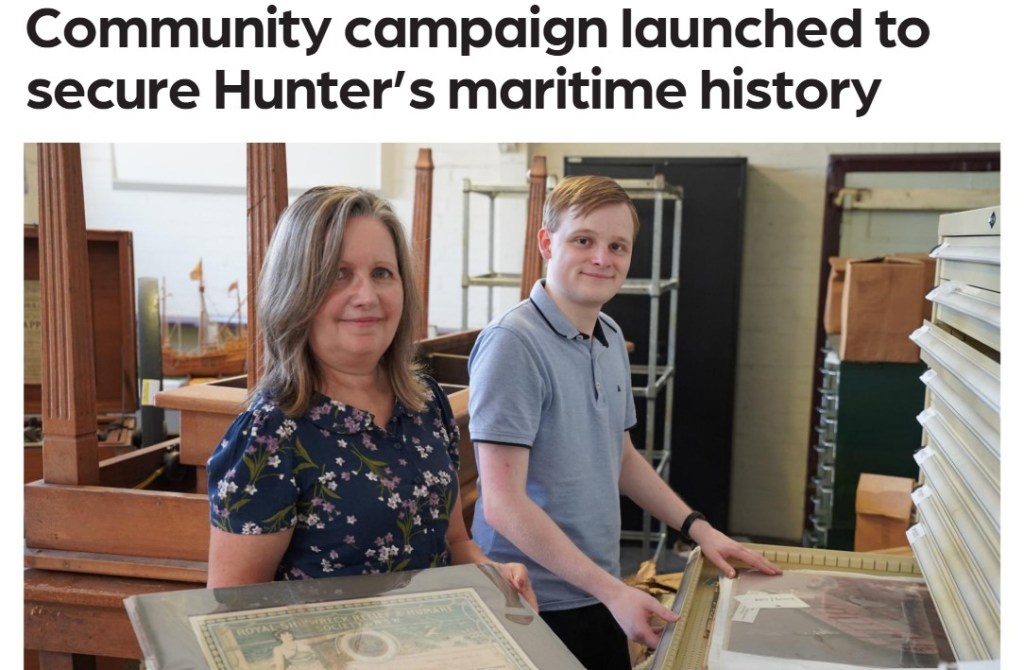
In a collaborative effort to preserve local history, the University Library is digitising a portion of the Newcastle Maritime Museum Society’s collection, with a primary focus on its photographic archives.

The Newcastle Maritime Museum Society (NMMS)
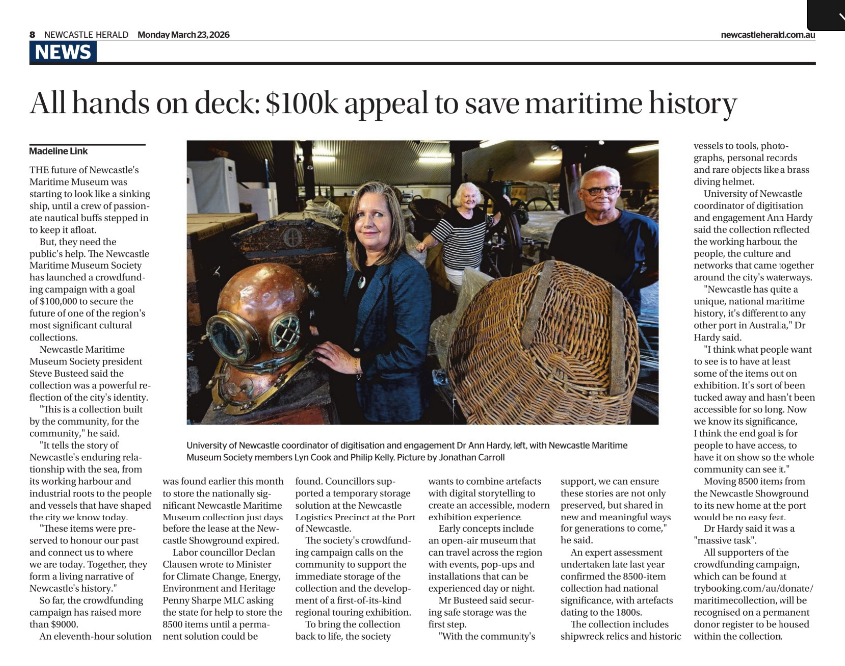
The maritime history of Newcastle and the broader Hunter region has been documented, and artefacts related to it collected by the Newcastle Maritime Museum Society (NMMS). The NMMS was founded in 1972 by former harbourmaster Ken Hopper, and originally occupied space in Fort Scratchley, before transferring to the heritage listed Lee Wharf Shed A on Newcastle Harbour in 2008, remaining there until its closure in 2018. At the present time, the collection of the Newcastle Maritime Museum is held in storage at the Newcastle Showgrounds, however there are plans afoot for the collection to be relocated to a more permanent storage facility. The shed along the foreshore where the Maritime Museum was previously located has remained unoccupied since the closure.

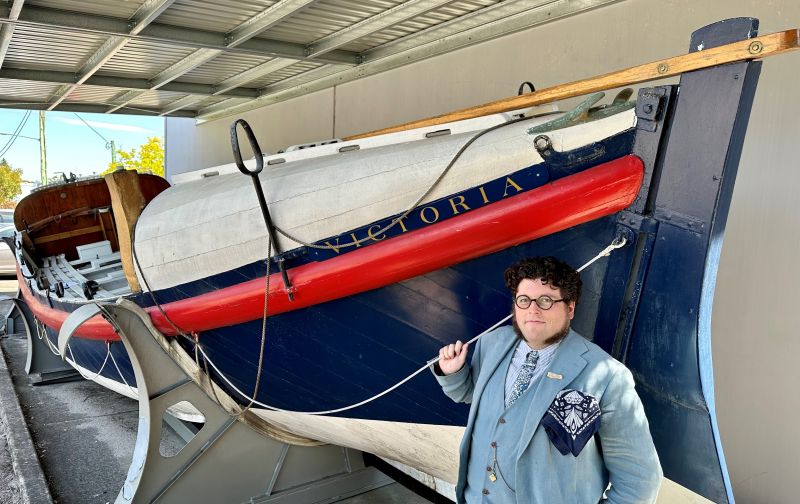
Not all of the collection is kept in the grandstands of the Newcastle Showgrounds. In 2022, 19 items within the collection were transferred to the Newcastle Museum as an act of support. Among these items is the lifeboat ‘Victoria II’, launched in 1897 as the city’s shore-based rescue lifeboat, which was involved in dozens of rescues over the course of forty years of service.

In December 2025, a significance assessment was published of the maritime museum collection, examining the over 6,000 items and artefacts within the catalogue. Conducting the assessment was Kevin Jones, the Director of the South Australian Maritime Museum, and former President of the Australian Maritime Museums Council. The determination of the assessment was that the collection had “national significance”, recording the history of Newcastle and its waterways in great detail. The collection covers the maritime related industries around Newcastle, as well as the community that was built around the harbour.
Among the most interesting and historically important items in the Newcastle Maritime Museum Collection include:
- One of the earliest charts of the port of Newcastle, a survey by Lieutenant Charles Jeffries dating back to 1816. This exists along with more than 100 other charts that detail the evolution of the port.
- A rocket cart used by the Newcastle Rocket Brigade, which was formed in 1866 to assist the lifeboat service in the rescue of sailors from shipwrecks.
- Tableware, timetables and brochures used by passengers on the Newcastle and Hunter River Steamship Company. This company operated routes between Sydney, Newcastle and Morpeth during the early 20th century.
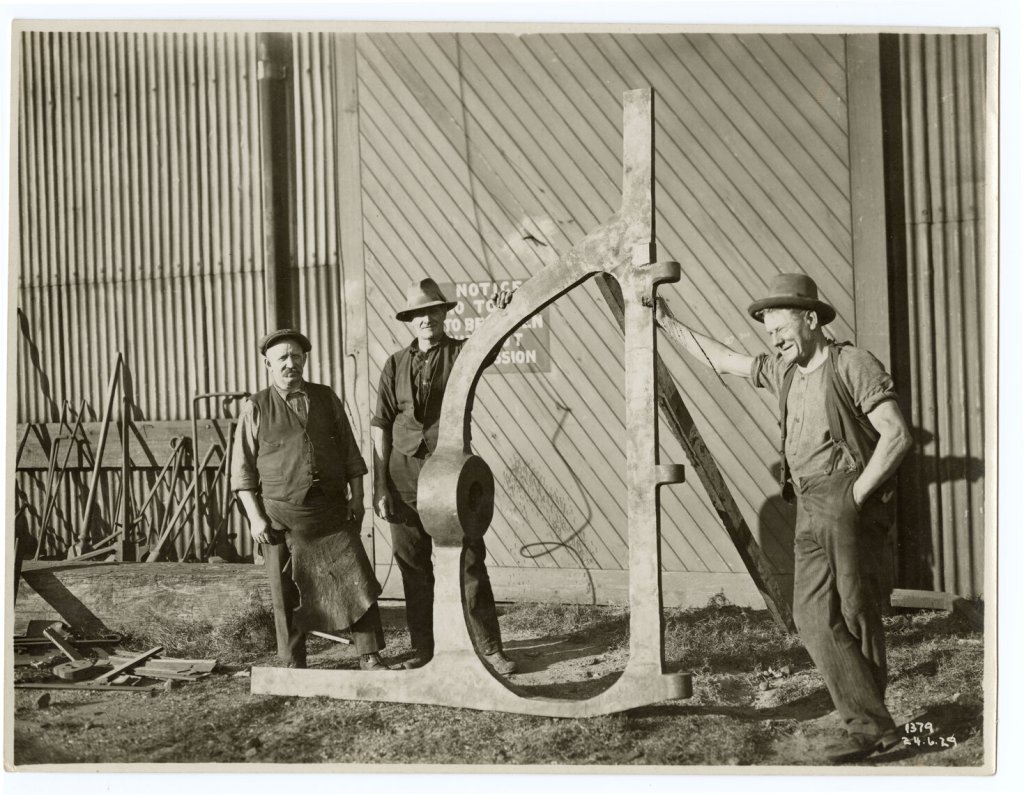
- Photographs, including images documenting the history of the Walsh Island Dockyard (1913-1933) and the State Government Dockyard (1942-1987).
- Certificates, medals and letters of appreciation gifted to the lifesavers of Newcastle, including the rocket brigade and the Newcastle Volunteer Life Saving Crew.
- Navigation equipment including sextants, telescopes and sea charts.
- Artworks that document shipping from the 1880s to the 1980s.
- A certificate of qualification awarded by the Royal Life Saving Society to James Devereux of Stockton Surf Life Saving Club in 1910. The certificate may be the oldest certificate awarded to a surf life saver.
- A panorama of Newcastle taken from Fort Scratchley around 1910. The photograph sweeps across the port, showing the city itself, before extending out to Nobbys and beyond into the sea. No other copies of this photograph have been found.
The historical value of the Maritime Museum collection cannot be understated, which is why there has been an effort to preserve items from the collection for future generations.
The GLAMx Lab at the University of Newcastle, and Living Histories, have been involved in a collaboration with the Newcastle Maritime Museum Society to preserve and digitise items within the museum collection in order for them to be uploaded to Living Histories to be seen by a wider audience.
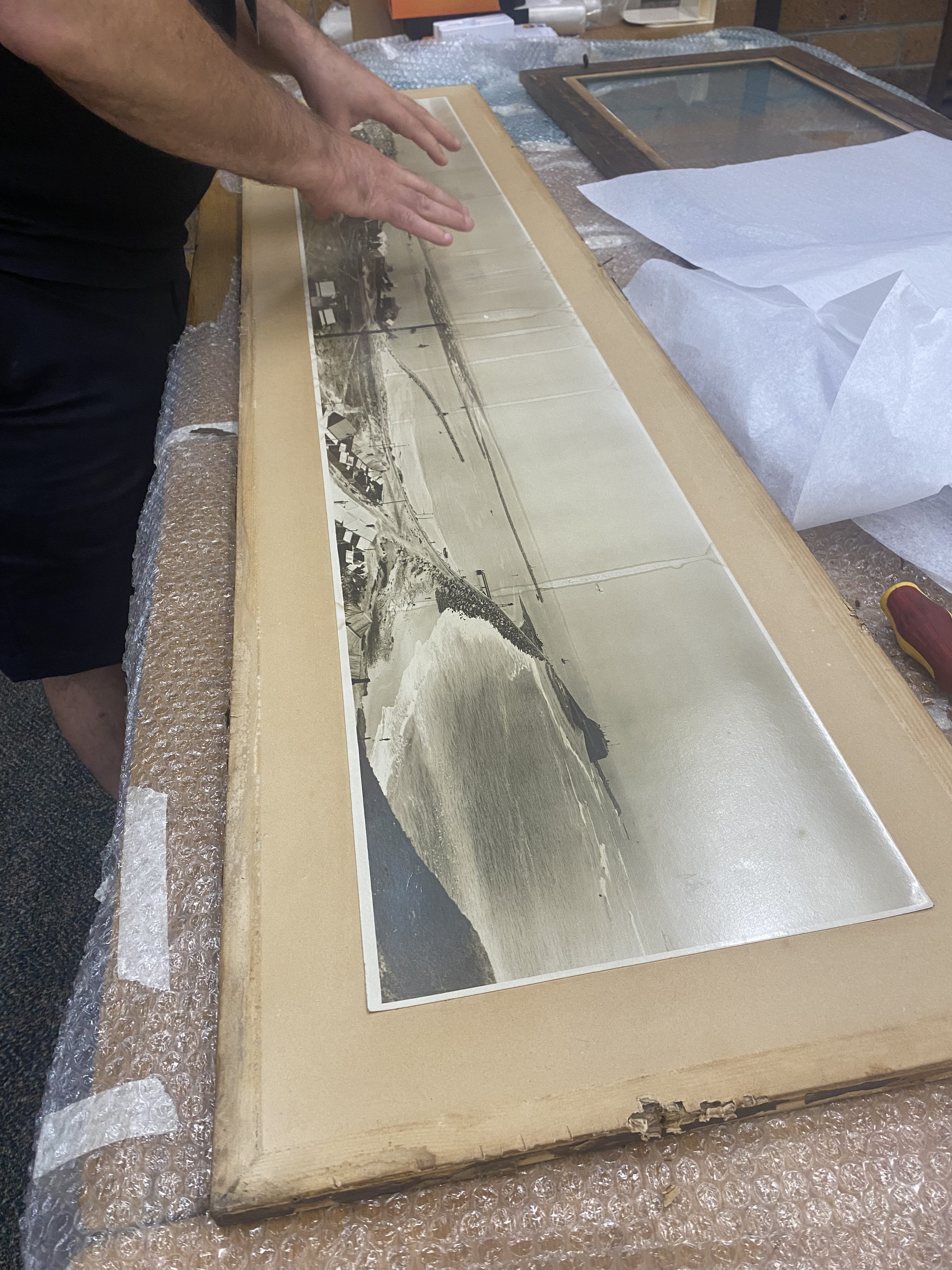

So far, the lab has been involved in digitising the Fort Scratchley panorama and photographs associated with the Walsh Island and the State Government Dockyards. These two shipyards operated in Newcastle during the 20th century, constructing and repairing hundreds of ships throughout their lifespans. Some of these photographs can be seen below:

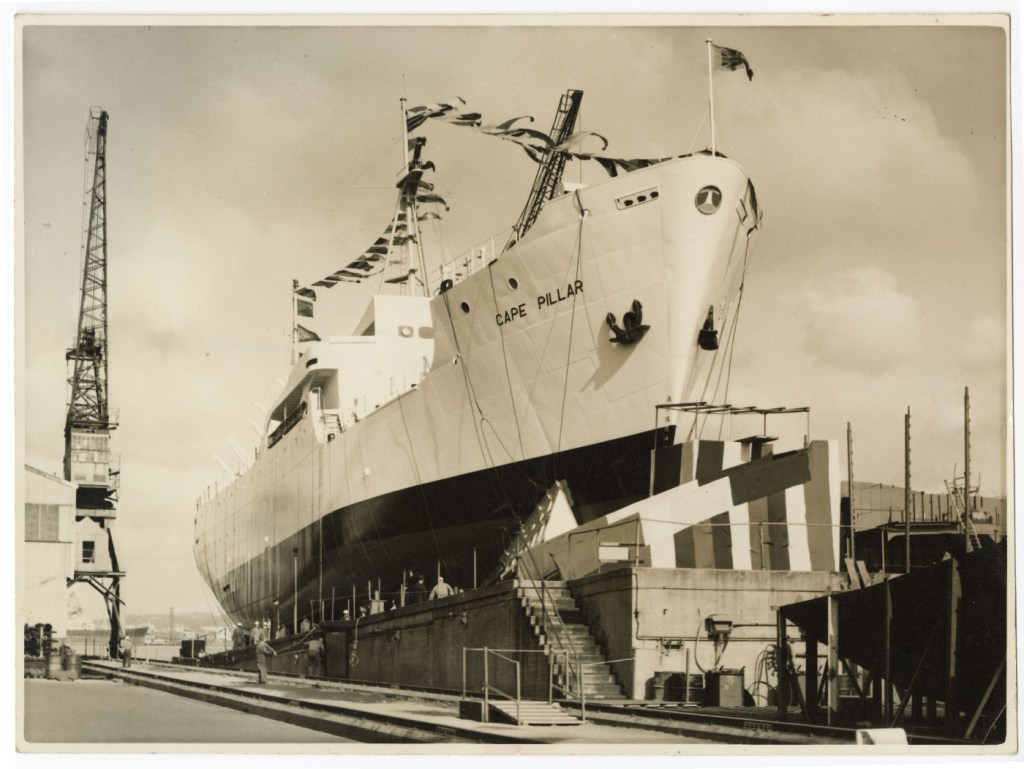

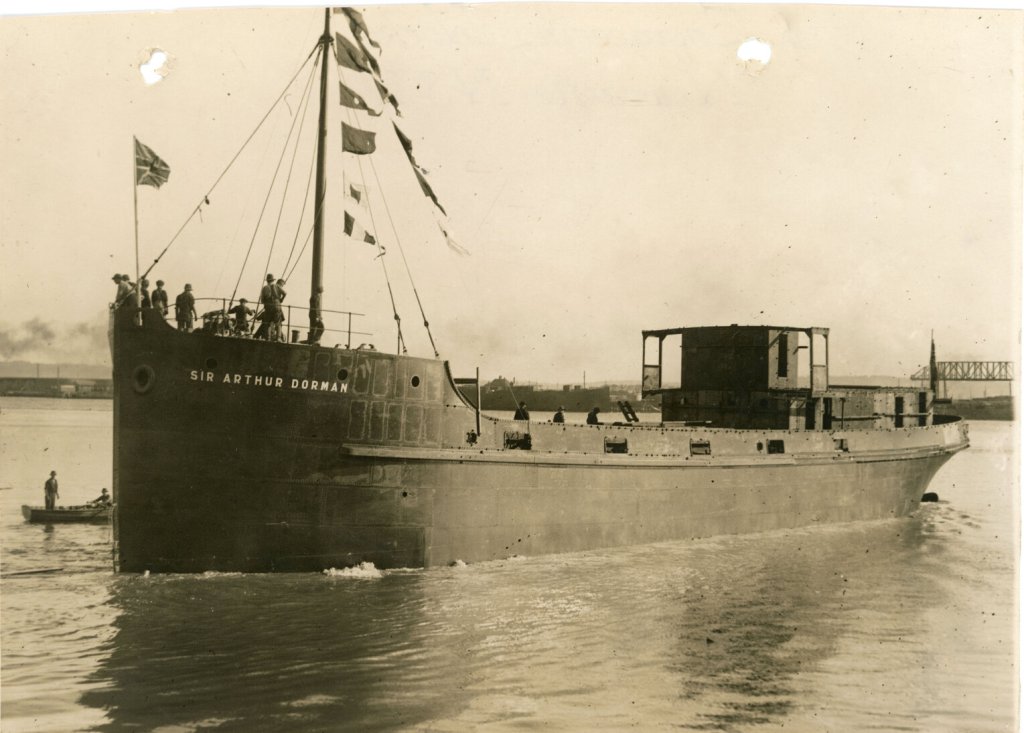

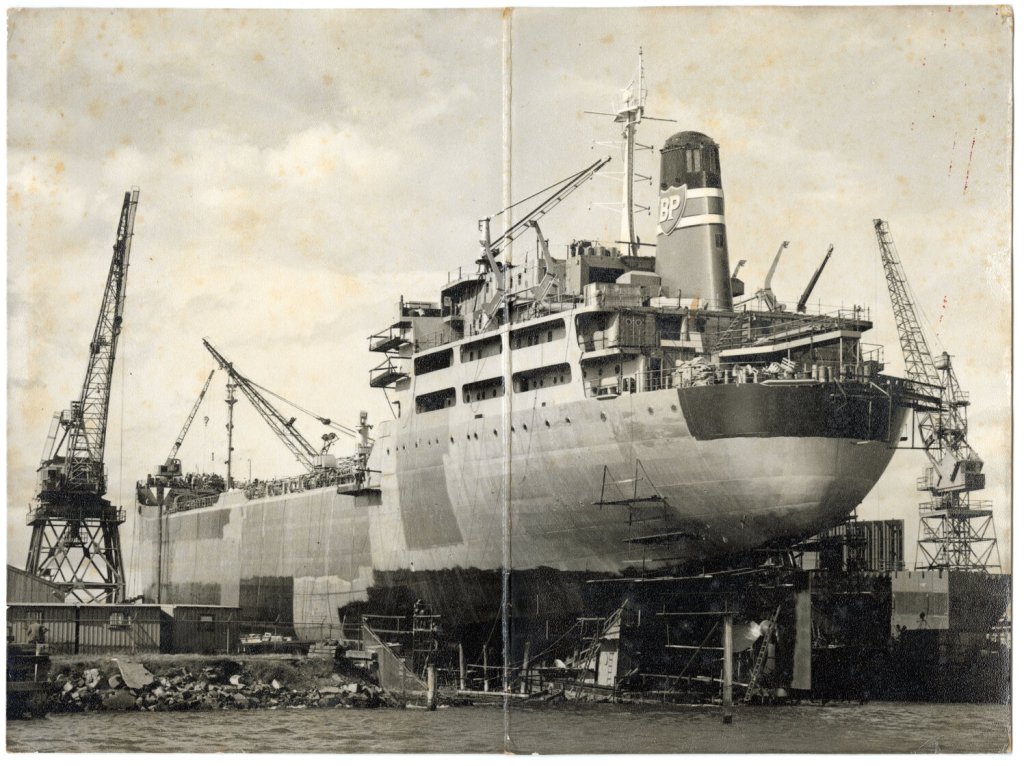

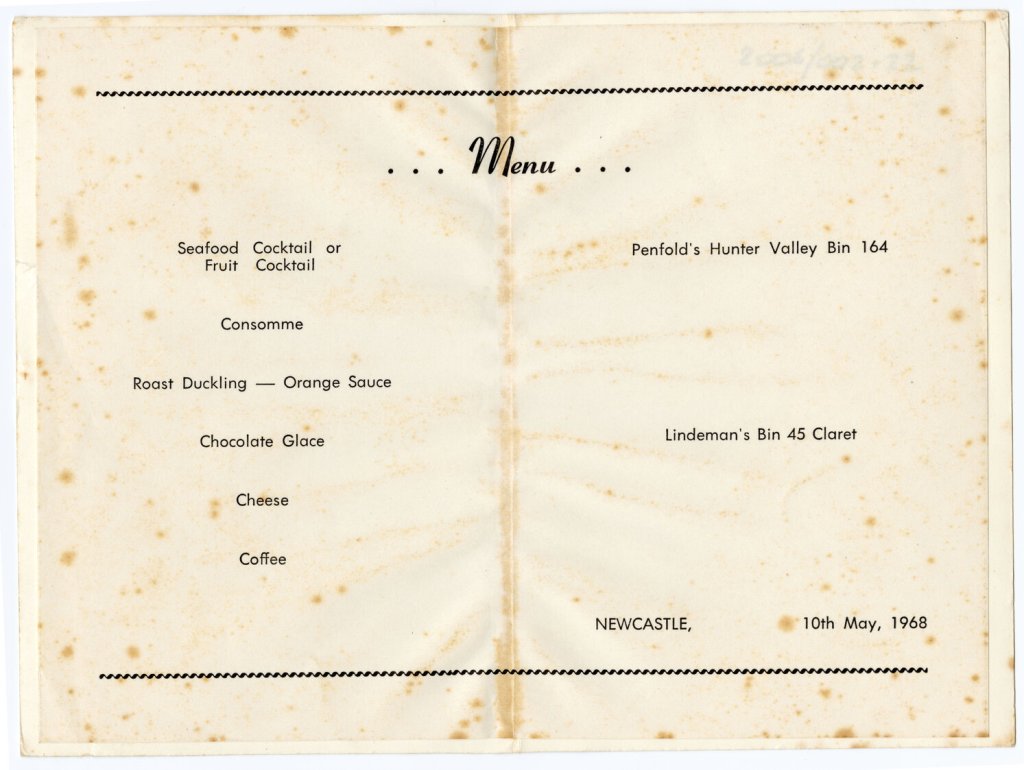
The collaboration between Hunter Living Histories and the Maritime Museum Society aims to digitise additional photographs like those shown above, alongside documents and other items within the collection in order to ensure that this significant part of Newcastle’s wider history is not relegated to a storage unit, unable to be seen by the public. Instead, these bits of Newcastle’s past will be widely available to the community online, bringing further attention to the history, and to the current situation of this nationally significant maritime collection.
By Hamish Monk (March 2026)
Career Ready Placement Student
Many thanks to other Students and Volunteers who also assisted on this project, including:- Luna Fairhurst, Emma Lomax, Estelle Yuqi
Those interested in contributing to the Maritime Museum Fund can click HERE.
Media Stories