

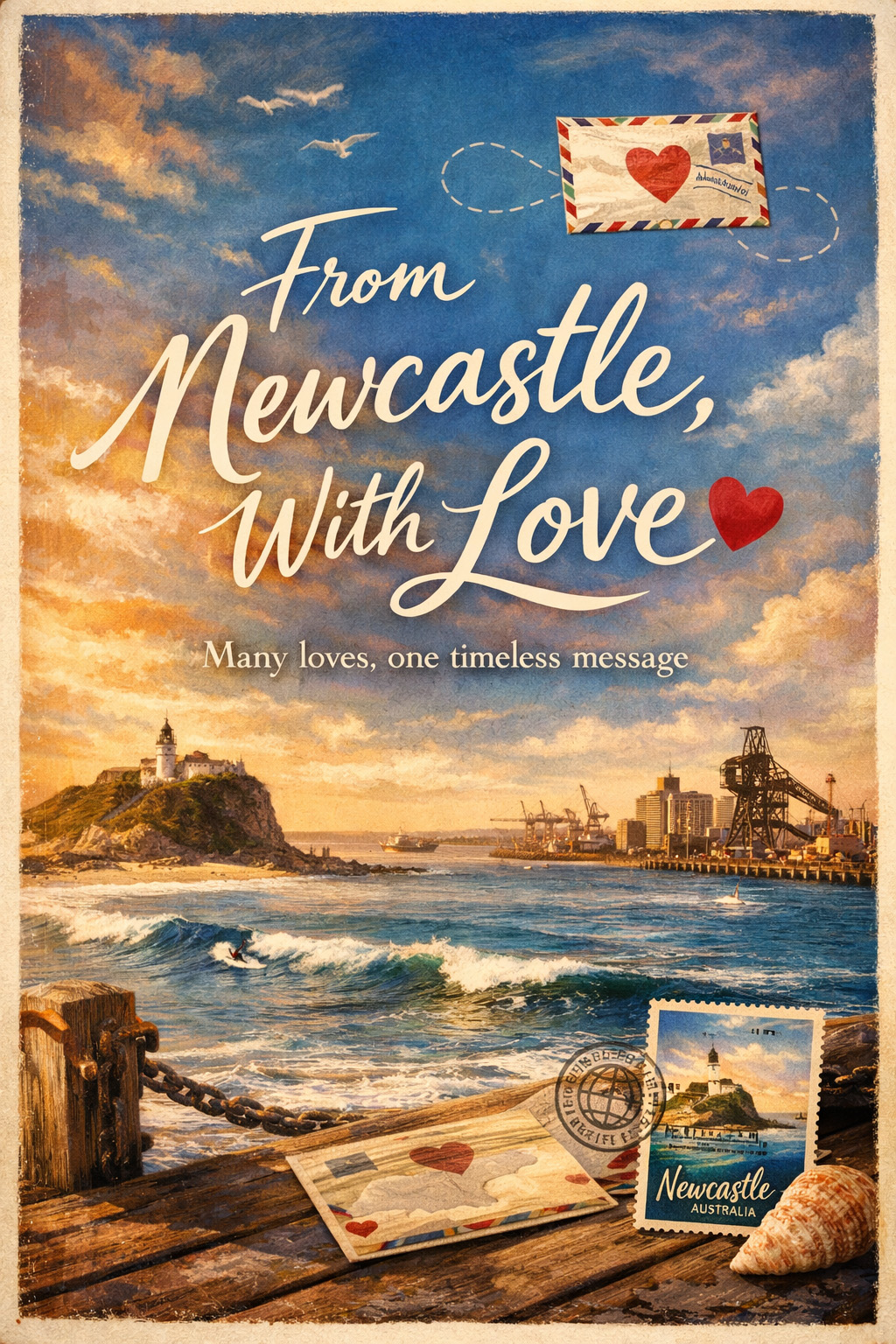
This is a proposed ideas overview of our forthcoming exhibition, to encourage participation and discussion and involvement across the University of Newcastle staff, students and its regional communities. We will populate the post with examples of imagery and stories from the archives and collections as the ideas evolve. [January 2026 Update: On Hold, Indefinitely]
From Newcastle, With Love: Many Loves, One Timeless Message

The forthcoming exhibition “From Newcastle…With Love” is based on an idea from Special Collections & Archives staff members Dr Amir Moghadam and Davina Pellatt as a love letter to the world, a gentle, enveloping gift to visitors amid global anxiety and uncertainty—a reminder that love, in its myriad forms, has sustained humanity through centuries of upheaval.
The Many Kinds of Love
English being a very young language only has one word for “love”; the Ancient Greeks had eight conceptions. Using the ancient Greek vocabulary of love as a guiding structure, the forthcoming exhibition moves visitors through multiple emotional states: passion, friendship, family, generosity, play, endurance, care of self, and the dangers of excess. Additional forms of love; love of place, beer, sport, learning, humanity, nature, and the sacred—extend this framework, grounding it firmly in Newcastle’s local histories and global connections.
Message of Hope
Drawing on the University of Newcastle’s archives and rare book collections, the exhibition explores love as a resilient human force—documented, lived, debated, and re-imagined across time, and transforms local history into a universal message of hope.

Love in its many forms
-
Prologue: A World in Need of Love
-
Eros – Passionate, Longing Romantic Love, or lust
Eros is the love of desire, attraction, and intensity. In ancient thought it was powerful, destabilising, and creative. In Newcastle’s history, Eros appears in fleeting glances, wartime letters, dances, and romances shaped by work, distance, and the rhythms of an industrial city.

-
Philia – Love Between Friends
Philia is the love of friendship, loyalty, and shared purpose. For Aristotle, it was the glue of civic life. In Newcastle, Philia is found in workmates, bro-mances, unions, sports clubs, student movements, and creative collaborations.

-
Storge – Familial Love and Kinship
Storge is the quiet, enduring love of family—between parents and children, siblings, and kin. Often unspoken, it underpins care, sacrifice, and continuity. Newcastle’s archives reveal Storge in migration stories, domestic photographs, and intergenerational labour.

-
Agape – Altruistic & Universal Love
Agape is selfless, compassionate love extended beyond kin. It appears in acts of care, service, and moral conviction. In Newcastle, Agape is evident in welfare organisations, churches, mutual aid, and responses to disaster.


-
Ludus – Playful, Joyous, and Flirtatious Love
Ludus is love as play—teasing, joy, and flirtation. It thrives in social spaces, humour, and popular culture. Newcastle’s beaches, dance halls, cinemas, and student life reveal love as fun and experimentation.

-
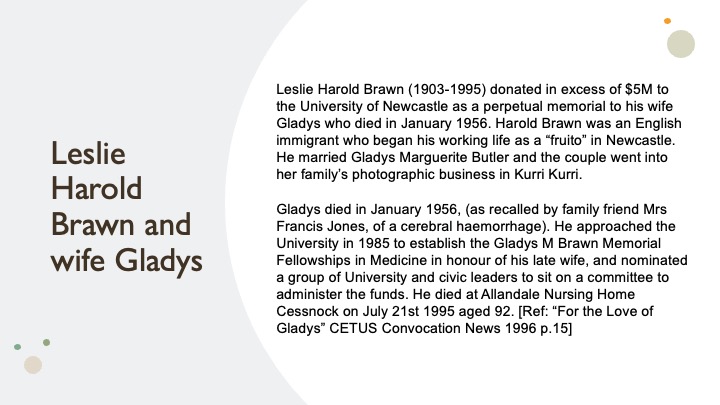
Pragma – Enduring Love Over Time
Pragma is long standing love that deepens over time—built through patience, compromise, and shared life. It is visible in long marriages, partnerships, and working lives shaped by mutual reliance.
Reminiscences of Biraban or M’Gill and Patty by the Rev. Lancelot Threlkeld
Threlkeld relates the following vignette of love between M’Gill (or Biraban) and his wife Patty:
“Patty, his wife, was pleasing in her person, “black but comely,” and affectionate in her disposition, and evidenced as strong a faculty of shrewdness in the exercise of her intellectual powers over M’Gill as those of the fairer daughters of Eve, who, without appearing to trespass on the high prerogative of their acknowledged lords, manage their husbands according to their own sovereign will; this might perhaps have arisen from the circumstance of M’Gill, once, when intoxicated, having shot his wife, the which he deeply deplored when he became sober; the injury sustained was not much, and ever afterwards he treated her with that affection which appeared to be reciprocal. It was a romantic scene to behold the happy pair, together with many others, on a moonlight night, under the blue canopy of Heaven, preparing for the midnight ball, to be held on the green sward, with no other toilet than a growing bush, with none other blaze than that from the numerous fires kindled around the mystic ring in which to trip the light fantastic toe. Then each might be seen reciprocally rouging each others cheek with pigment of their own preparing, and imparting fairness to their sable skin on the neck and forehead with the purest pipe-clay, until each countenance beamed with rapturous delight at each others charms. The cumbrous garments of the day were laid aside, and in all the majesty of nature they would dance as Britons did in days of old.” – The first story comes from Threlkeld, L. E. (Lancelot Edward), 1788-1859. A key to the structure of the Aboriginal language : being an analysis of the particles used as af… Sydney : Printed by Kemp and Fairfax, 1850. (4.60 MB PDF) [University of Newcastle Rare Books: 499.15 THRE-1
-
Mania – Obsessive Love’s Shadow
Mania is love intensified into obsession, jealousy, or fixation. It reveals love’s darker edges. The Greeks recognized that intense love could become destructive, that the line between devotion and obsession could blur. Unlike other loves that nourish, mania diminishes. These difficult materials from Newcastle’s past show mania’s warning signs: possessiveness masked as love, inability to accept rejection, emotions that overwhelm reason and respect for boundaries. Newcastle’s evolution in addressing domestic violence shows our growing understanding that love should never hurt. This exhibition would be incomplete without acknowledging love’s shadow side. In times of anxiety, we may be especially vulnerable to relationships that promise intensity but deliver pain. Understanding mania helps us recognize healthy boundaries, seek help when needed, and remember: real love liberates; it never imprisons.

-
Philautia – Self Love
Philautia is love of the self, both healthy and destructive. It encompasses dignity, pride, ambition, and self-reflection.
Beyond the Greeks: Expanding Love
-
Connection to Country — Love of Place
Aboriginal/First Nations people’s relationship with this Country represents forms of love that predate Greek philosophy—deep spiritual connection to land, water, and all living things that has sustained culture for over 40,000 years. This love encompasses responsibility, reciprocity, and respect for all beings. Understanding this relationship enriches our contemporary approaches to caring for place and each other.
-
Philomathia — Love of Learning
The love of learning drives human progress and personal transformation. Newcastle’s evolution from industrial city to educational hub reflects collective belief that knowledge is worth pursuing for its own sake—a love that has helped our city reinvent itself and individuals transform their lives.
-
Civic Love — Community & Activism
The love that drives persons to champion community social issues and injustices.
-
Love of Beer & Wine


Epilogue: Love is in the Air

We would love John Paul Young, Lake Macquarie local to launch our exhibition, so if anyone knows him, please let him know.
We also have the Newcastle group High Andies lined up for to provide beautiful Hawaiian style music, and possible instrumental version of “Love Is In The Air” if required.

From Newcastle…With Love
The Exhibition will journey us through centuries of love in its many forms—passionate and playful, familial and friendly, enduring and universal, self-compassionate and place-based. These aren’t relics of the past but living forces that continue to sustain us.
In times of anxiety and uncertainty, love—in all its varieties—becomes revolutionary. It insists on connection when isolation beckons, on hope when despair looms, on kindness when cruelty seems easier.
From Newcastle—Mulubinba—a city built between mountains and sea, on Awabakal Country, a place that has weathered convict beginnings, industrial rise and fall, natural disasters, economic transformation, and emerged resilient every time, we send this message to a worried world:
You are not alone. Love endures. Community persists. Hope remains.
We invite you to add your voice to this love letter. What will you send forward?
Invitation to Everyone To Participate with Inspirations from the Mountain of Peace
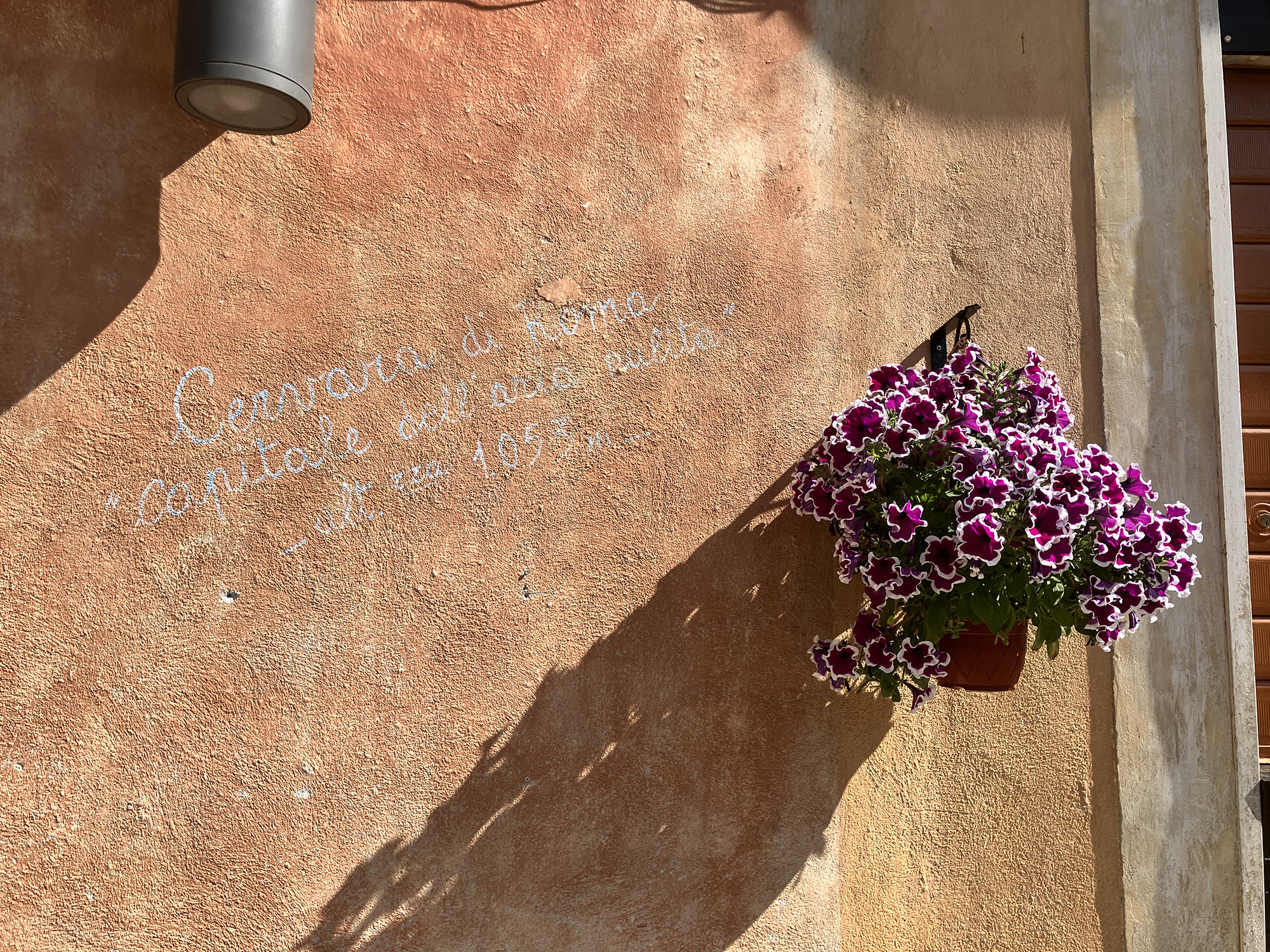
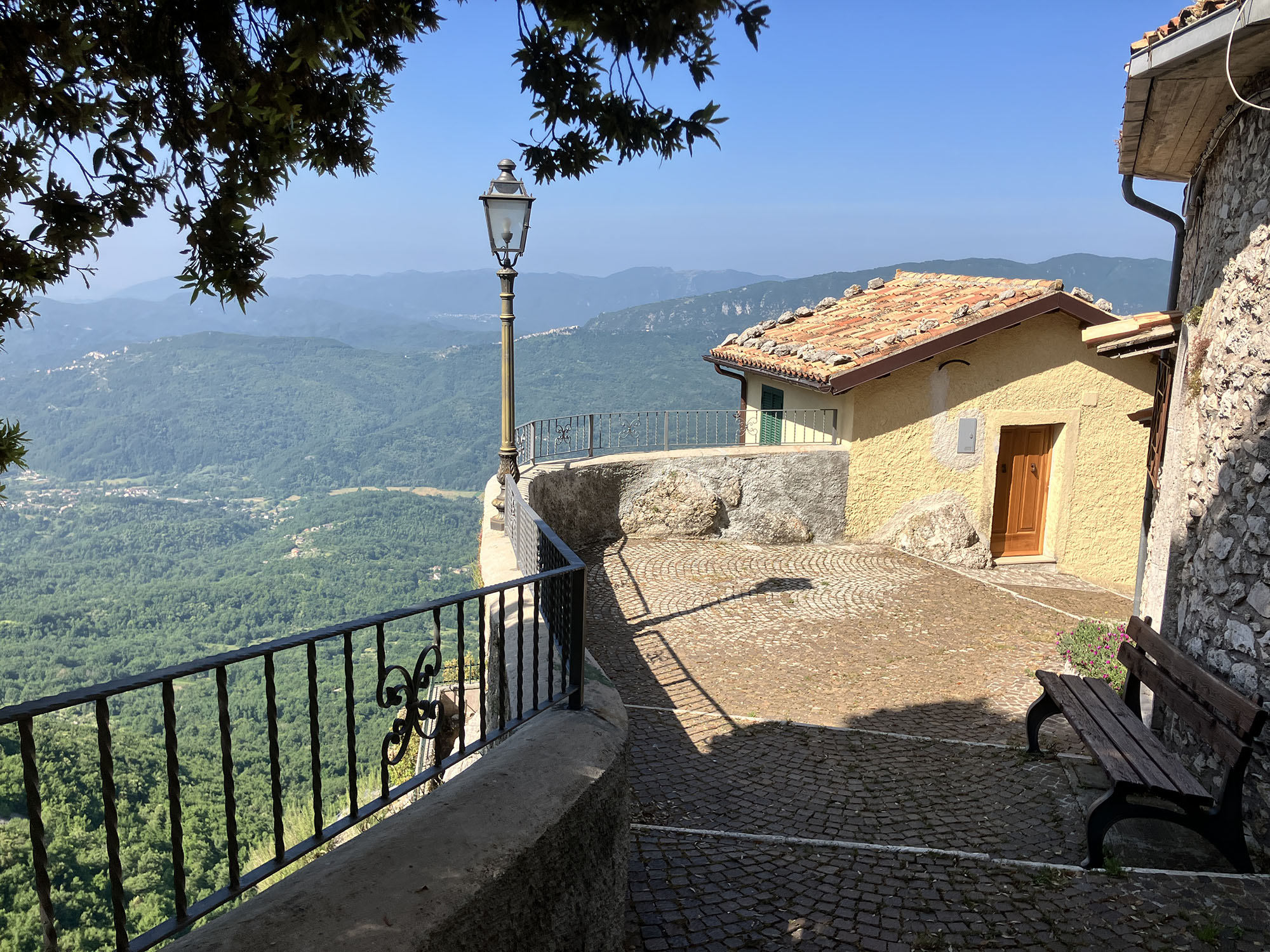
The Spanish poet Raphael Alberti (1902-1999) defined the town of Cervara in Rome as
“a sculpture dedicated to the sky, which would fly if just the air could hold it up.”(Ref)
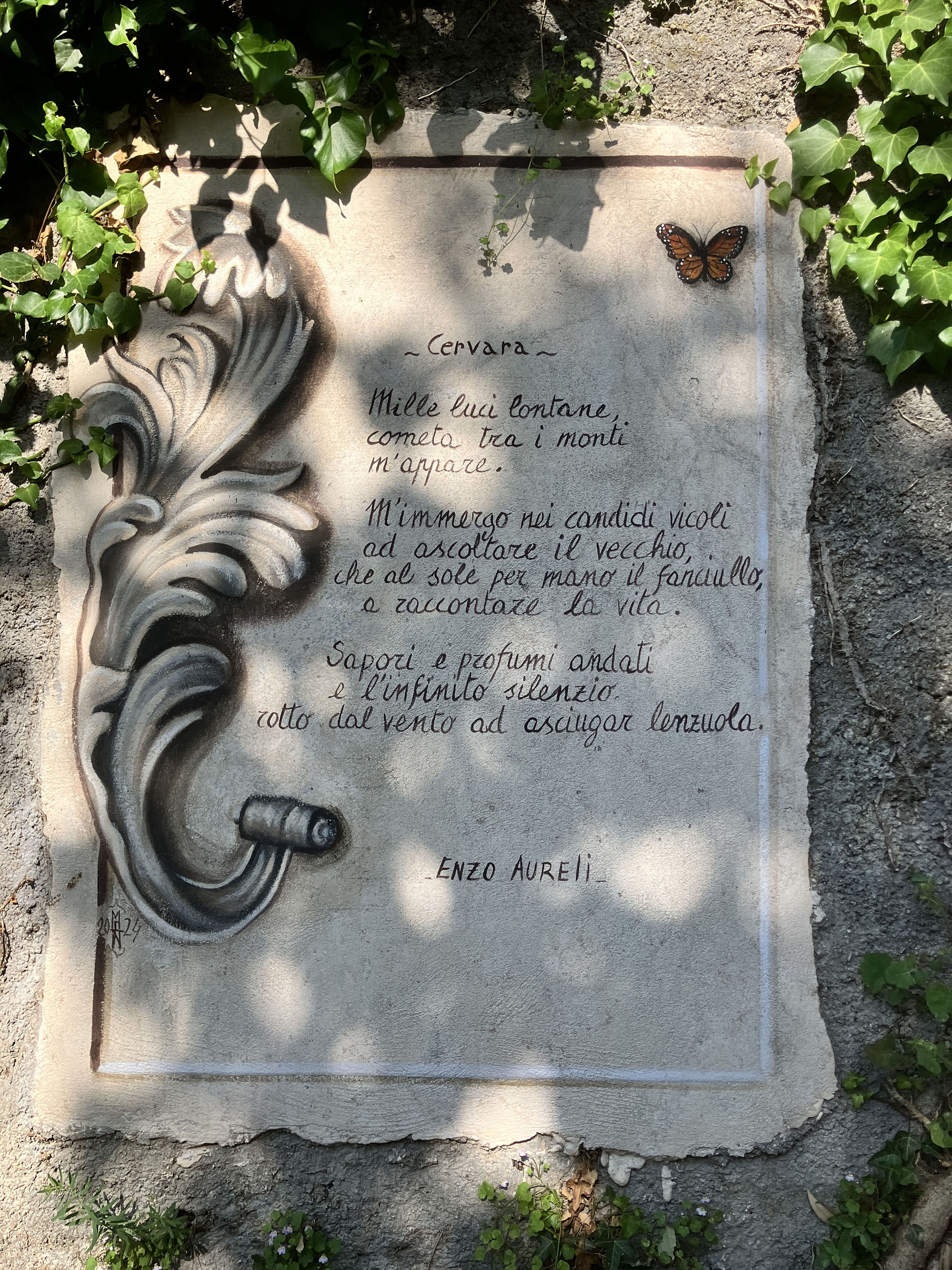
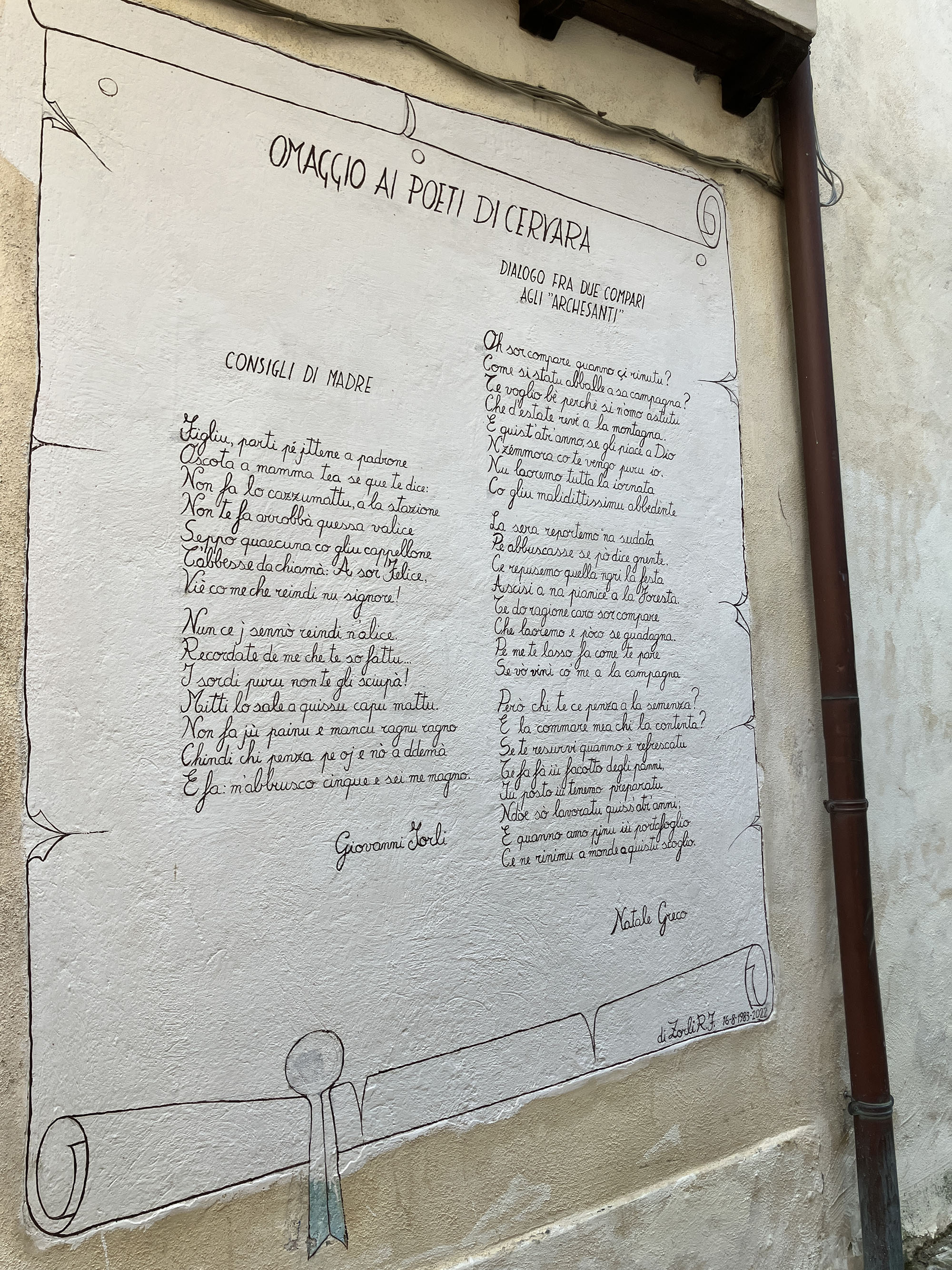
Poets, sculptors, artists and musicians were so inspired and drawn to leave their testimonies across the town.
Cervara was named after the deer that roamed its slopes, and is the highest town in Rome, where the four winds meet; it is the “capitale dell’aria pulita” (the clean air capital) at an elevation of 1053m and is called the Mountain of Europe for Peace in the World.
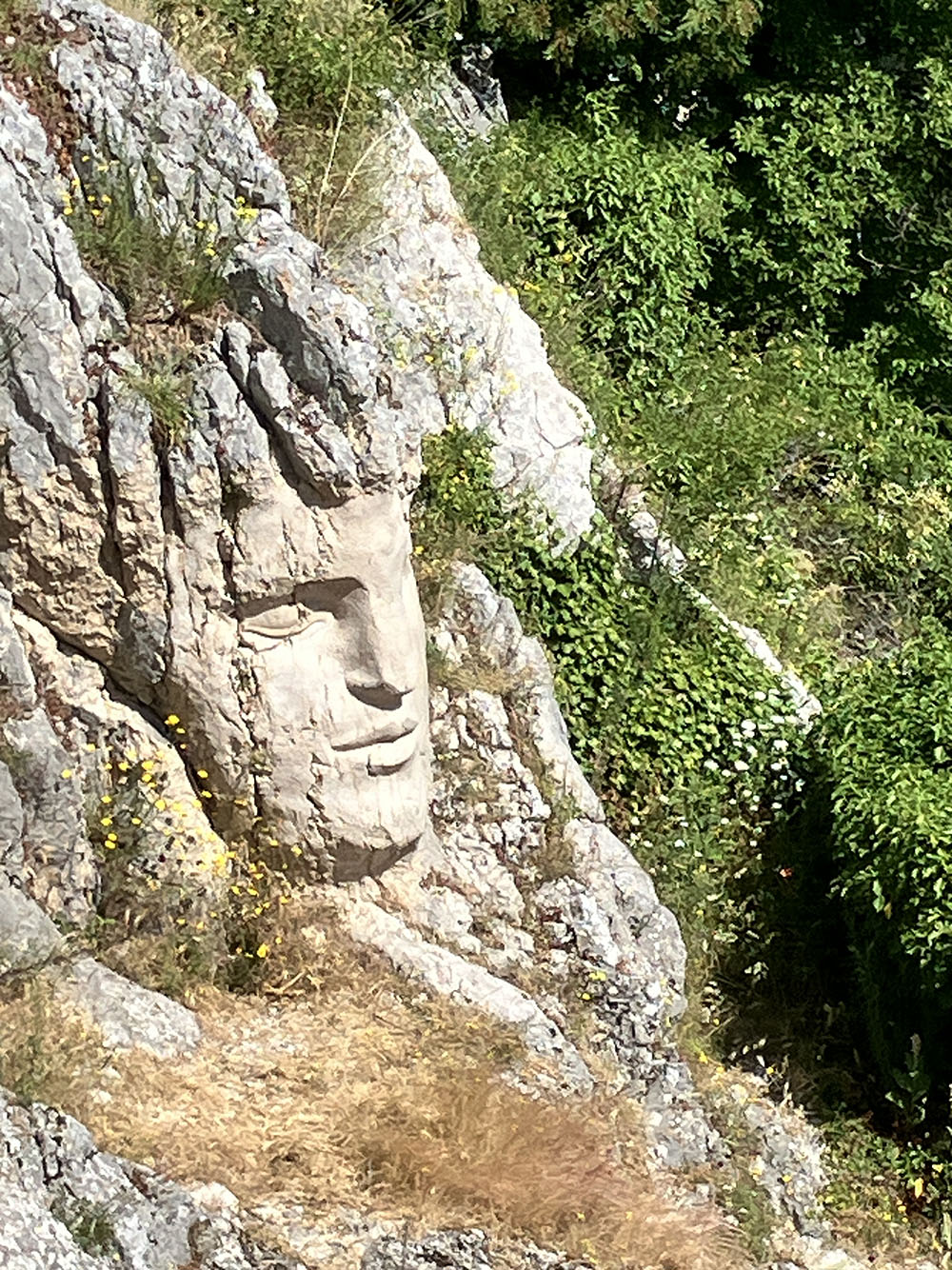
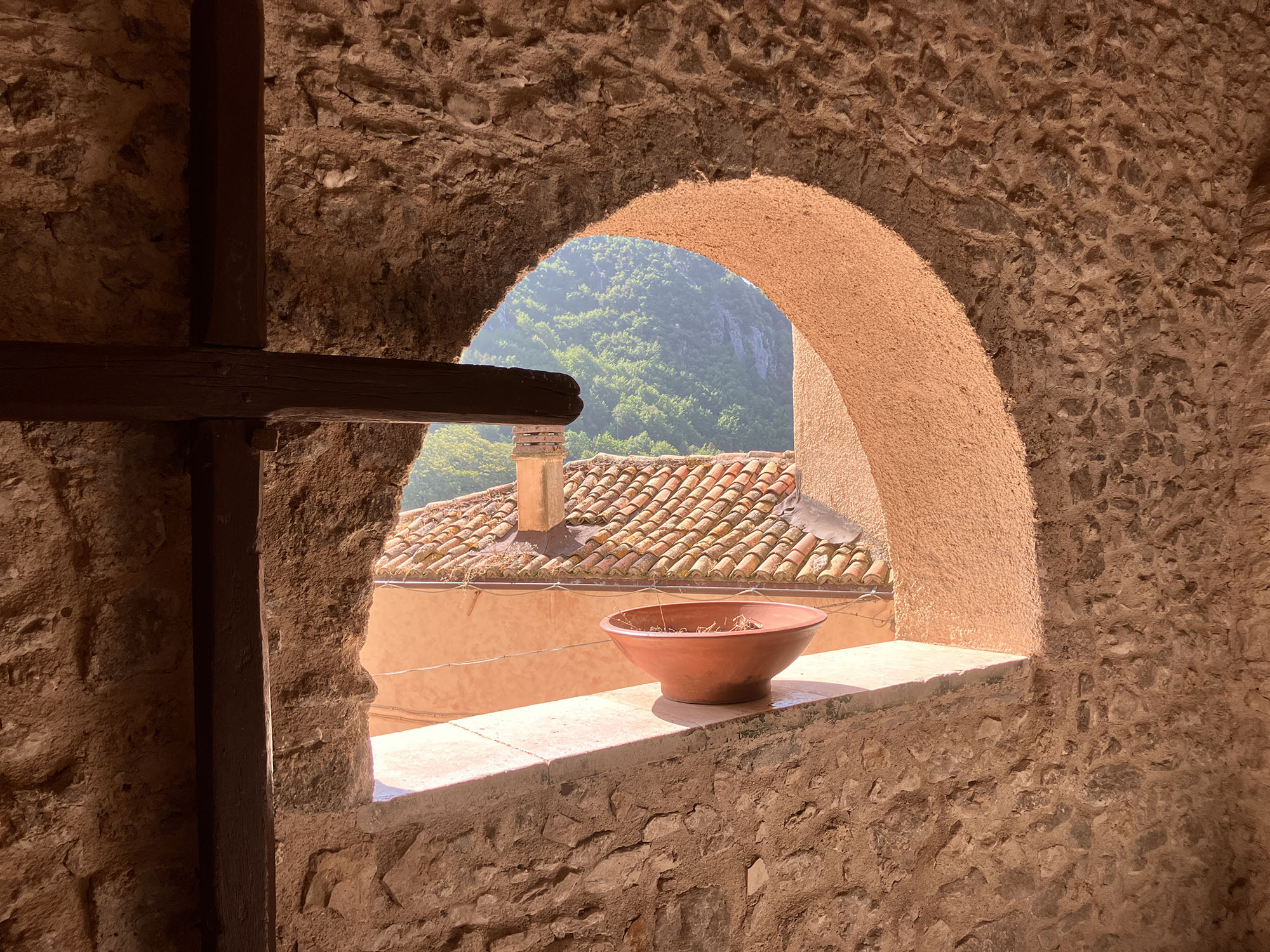
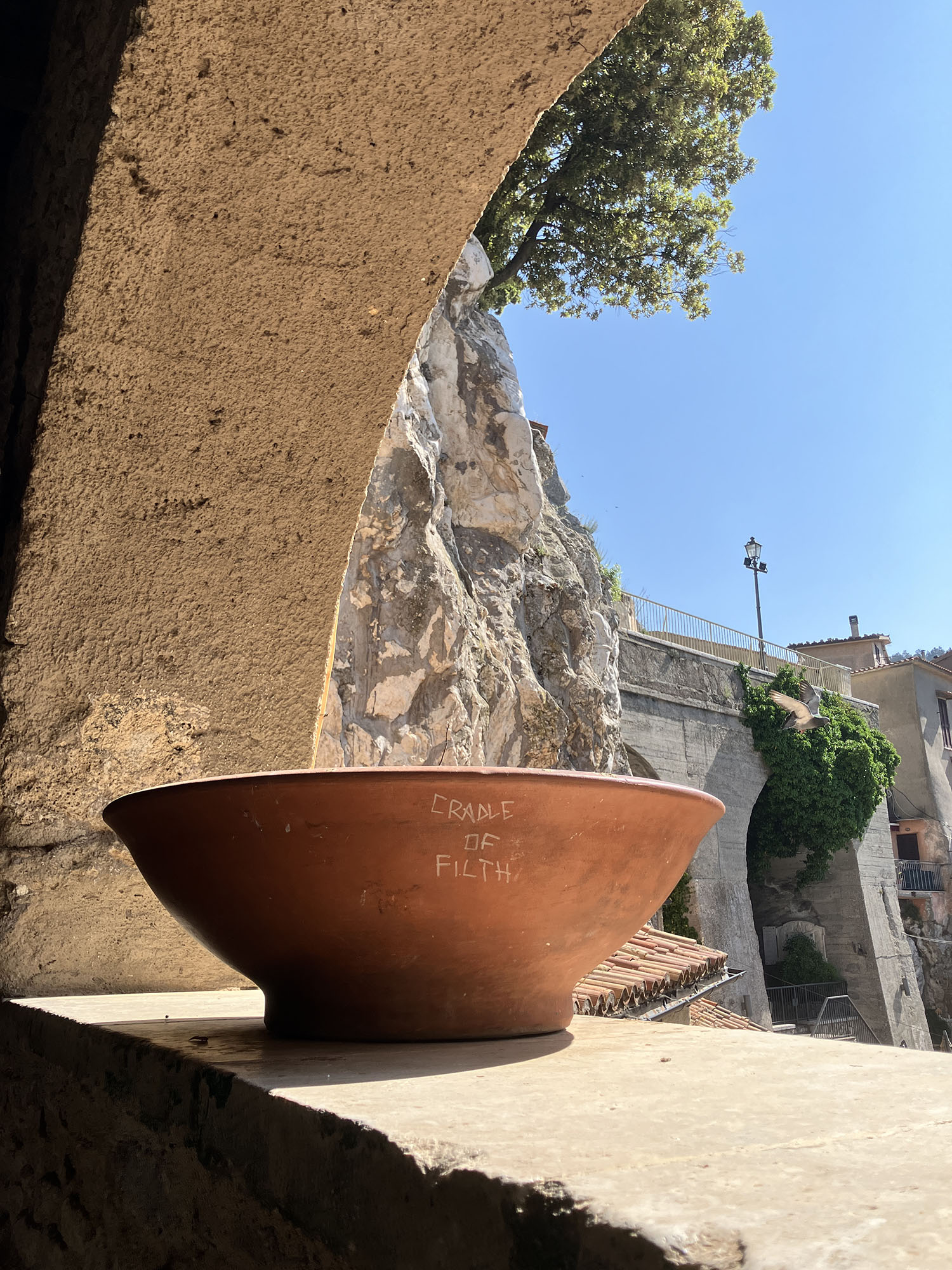
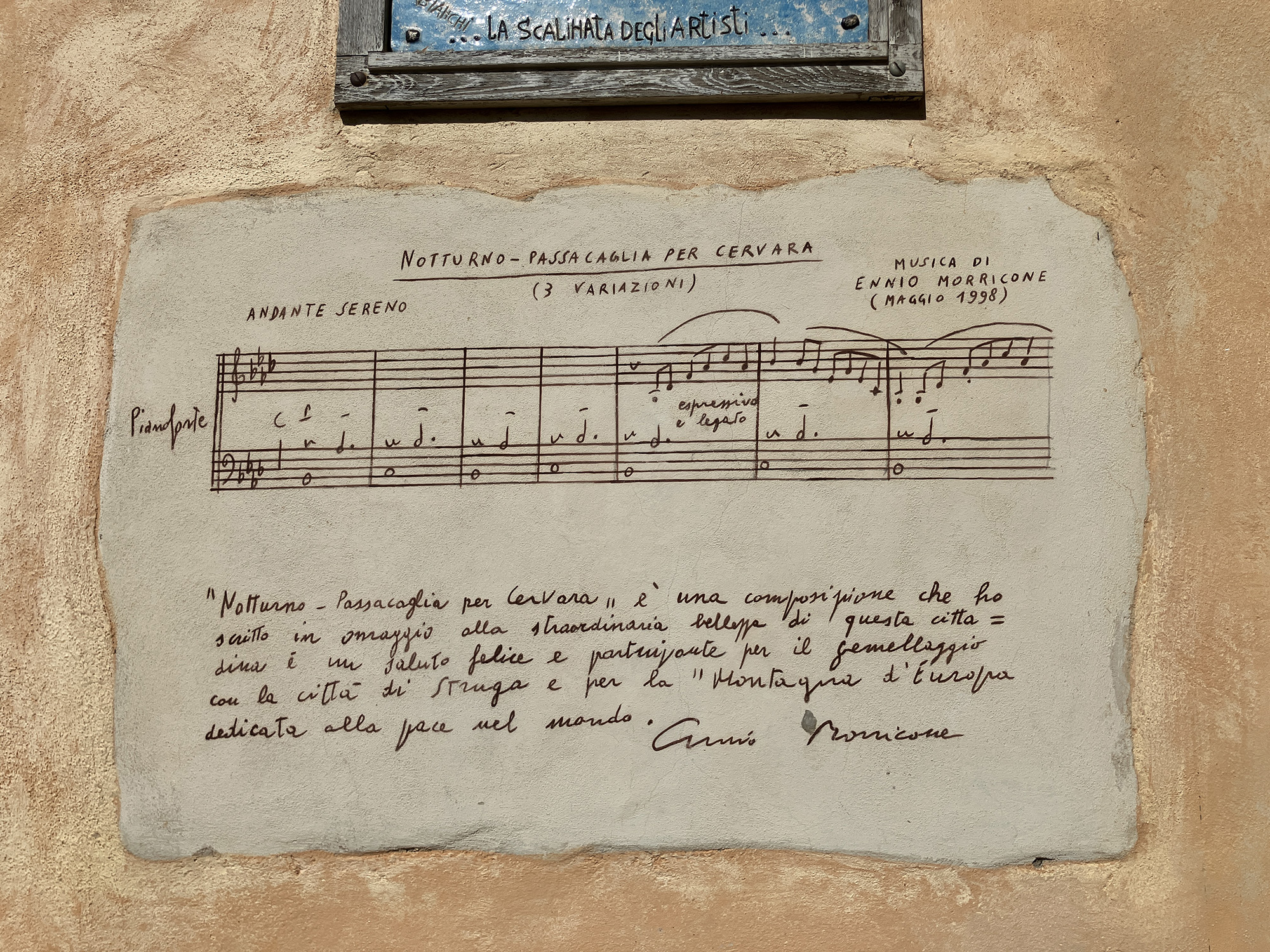
Newcastle represents the hinges upon which the great doors of Australian history and consciousness move. We therefore send our love to the world and invite musicians, artists, poets, lovers to participate with us.
Wonderful news that Apple Corps have just announced their support for a fan generated “Global Beatles Day” for the 25 June 2026.
To celebrate the first global multi-satellite linkup “Our World” event in 1967 for which the Beatles performed “All You Need Is Love” as their gift to the world. Apple are releasing a newly colourised version of the film clip in 4K. This replaces the clip above we shared in January of this year!

Compiled by Gionni Di Gravio OAM
University Archivist & Chair, Hunter Living Histories