

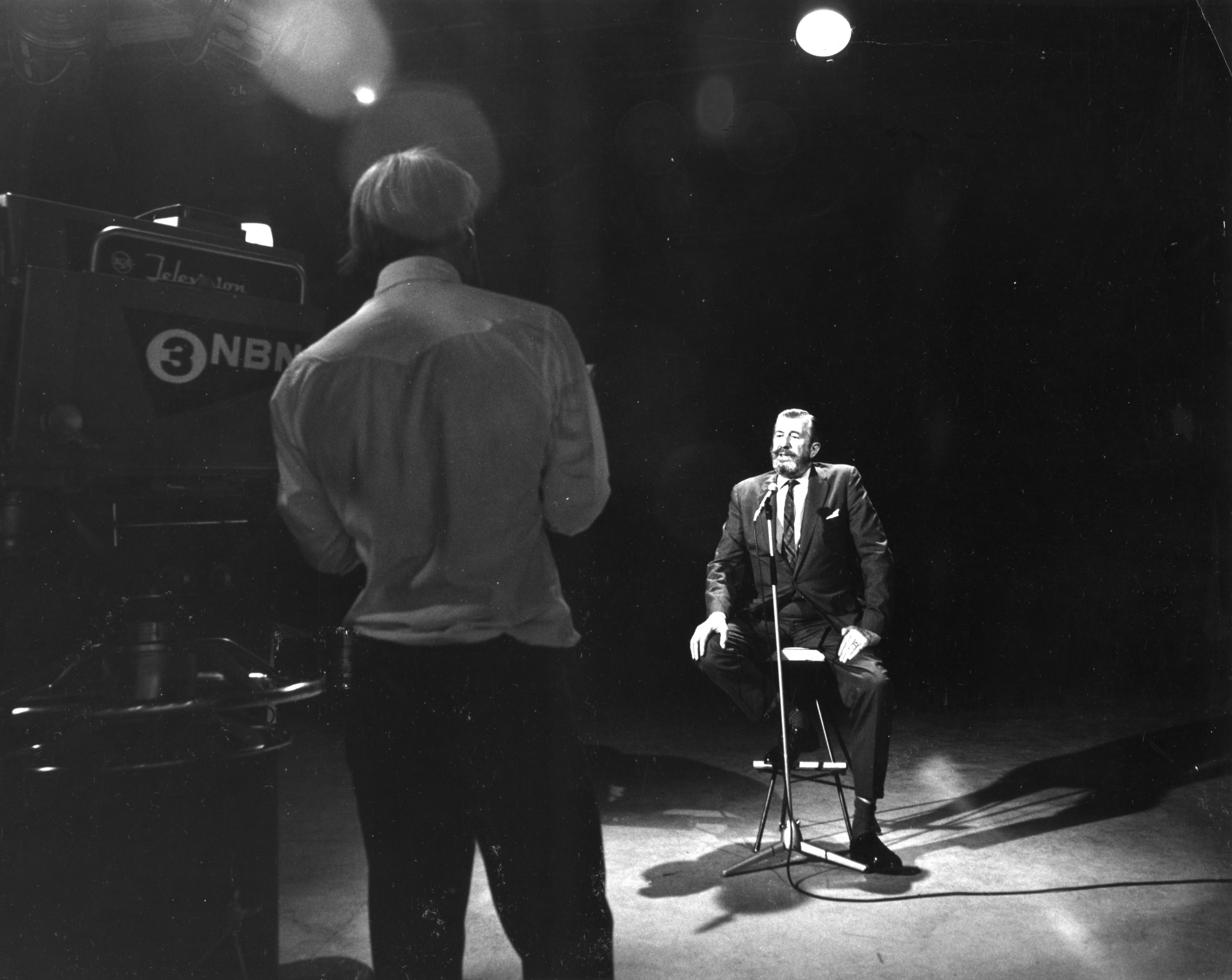
A Letter from Chips Rafferty to Jack Jones
Within the papers of the late Jack Jones of Mayfield N.S.W. we found correspondence between the Australian actor and producer Chips Rafferty, and a young Jack. Jack had expressed interest in investing in Rafferty’s motion pictures. In a response to Mr Jones, in March 1955, Rafferty writes:
“I was very pleased to receive your enquiry regarding the activities of this newly formed company, which is designed to produce Australian feature films for world distribution and, ultimately, to establish a permanent Australian picture industry.
Enclosed you will find a prospectus for the new company and I trust that you will be in a position to take up one or more debentures in this project…
My present endeavour is a project very dear to my heart, a project on which I have now been working, with some considerable success, for the past five years. What I require to see this plan put into operation is to find 2,000 good solid Australians with £50 each..
Believe me, in investing in this company, you are not only assisting Australia generally and helping to develop what I consider is a vital national industry but, at the same time, providing the production outlet for a large group of Australian technicians. “ – Southern International (Production & Distribution) Limited, Chips Rafferty, Chairman of Directors to Mr. Jack L. Jones, March 28th, 1955
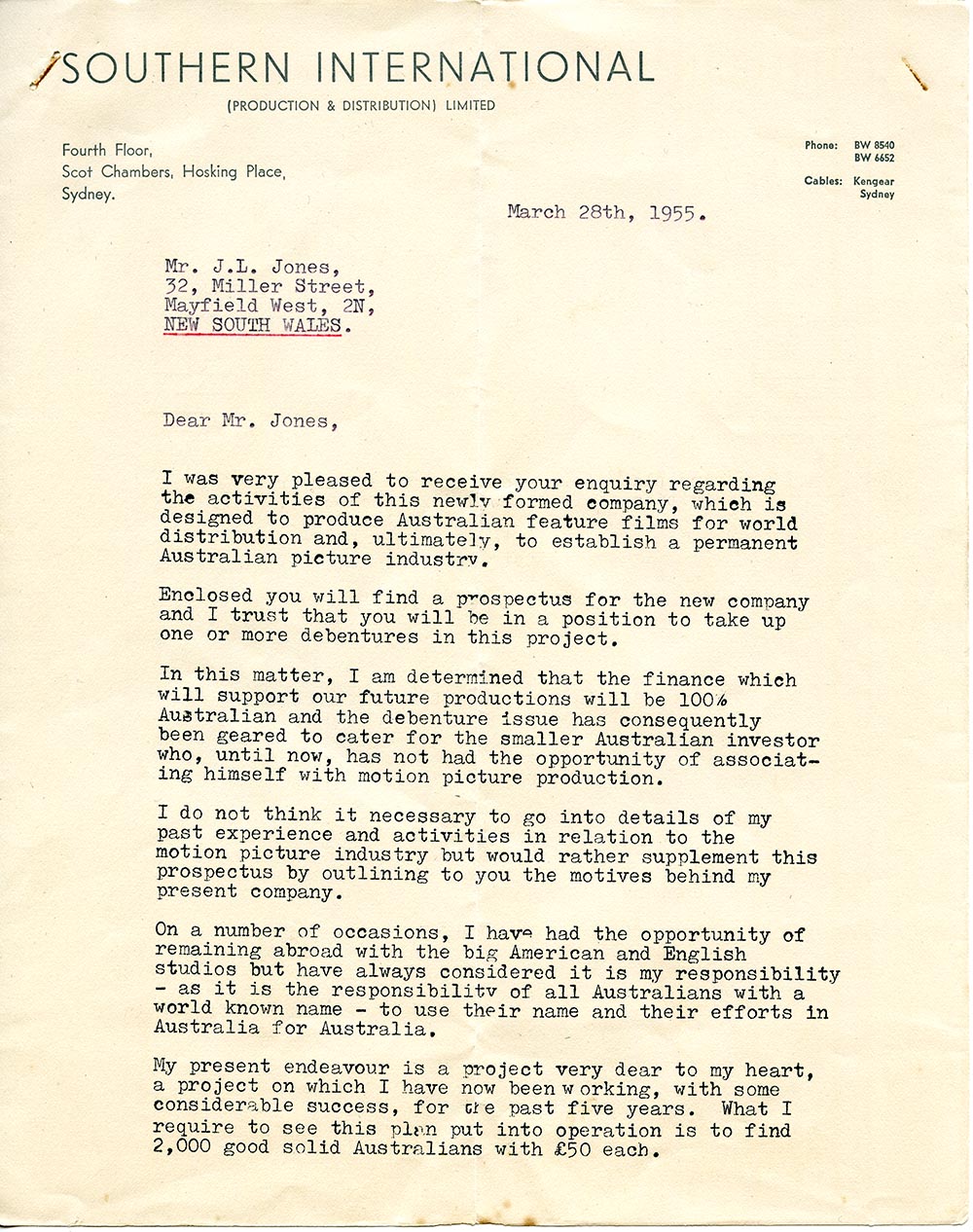

Chips Rafferty, the Quintessential Australian Actor
Chips Rafferty, whose real name was John William Pilbean Goffage (1909-1971), was the quintessential Australian male actor of film and television for anyone growing up in the 1940s-1960s. He starred in a series of films that distilled the essence of the Australian character, mood and landscape of the times.

Rafferty’s Dream
Australia had been a pioneer in film since the the 1890s, but the cinematic history of film production moved in a series of fits and starts. Rafferty, an international veteran of this Australian home grown circumstance, dreamed of a permanent and ongoing film industry to be established in this country.
Chips Rafferty and Lee Robinson Form a Production Company
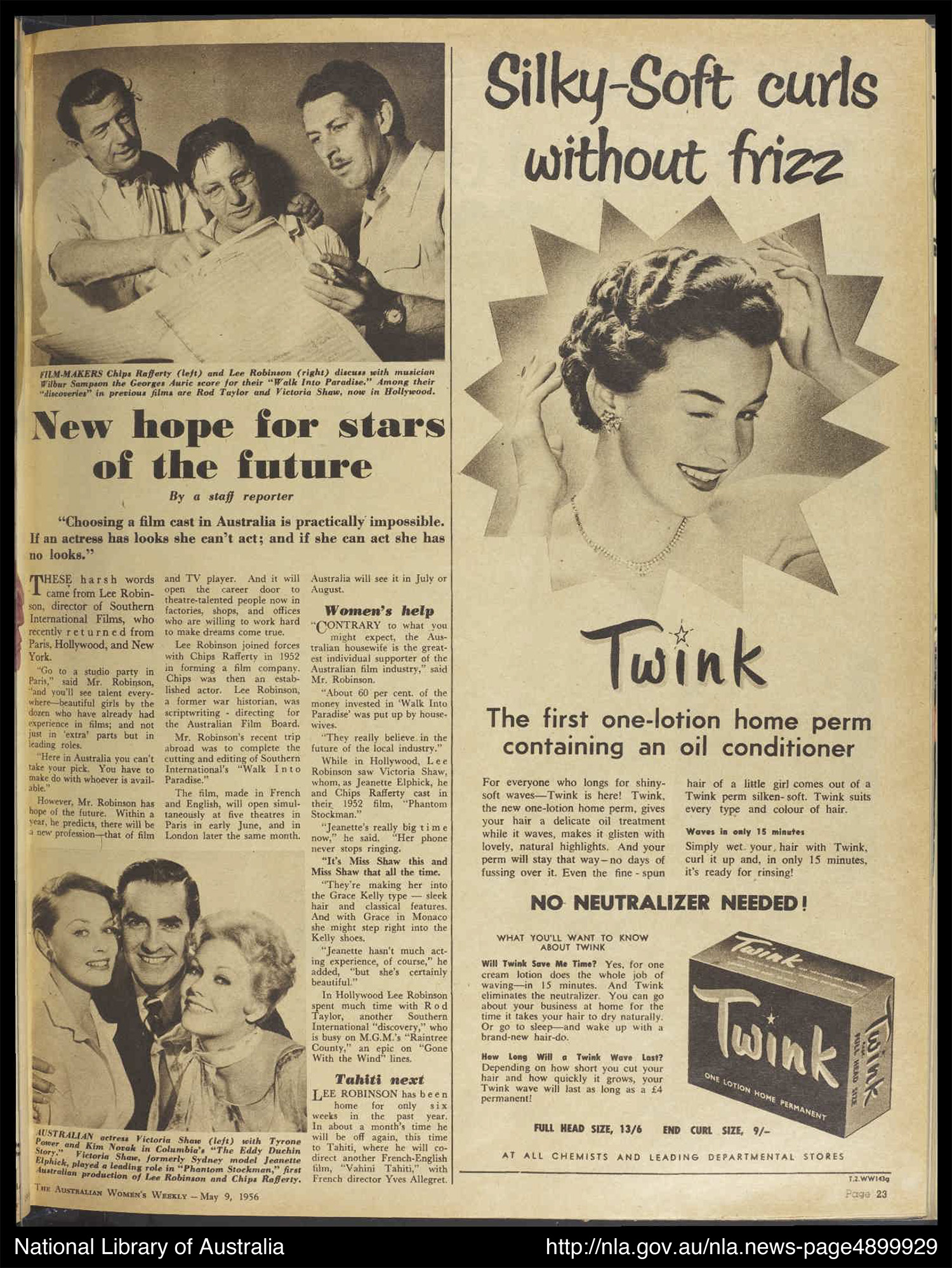
Rafferty formed his company, Southern International (Production & Distribution) Limited, with Lee Robinson, a war historian and writer. The production company was also known in the media as “Southern International Productions”, “Southern International Film Company” and “Southern International Films”. It managed to produce six films before a series of box office failures led to its eventual demise in 1959.
The Southern International Films
- King of the Coral Sea (1954) Watch Interview: https://www.youtube.com/watch?v=7nuGO8w3Xzs
- Walk into Paradise (1956) Watch: https://youtu.be/ZzeCx0aWsgA?si=pITVtbmjtTAfYfYm
- Dust in the Sun (1958)
- The Stowaway (1958)
- The Restless and the Damned (1959)
- Rock ‘n’ Roll (1959) Watch: https://youtu.be/3zKjZhO_plg?si=bVraWLdzrHx92o7l
Enter Jack Jones of Mayfield

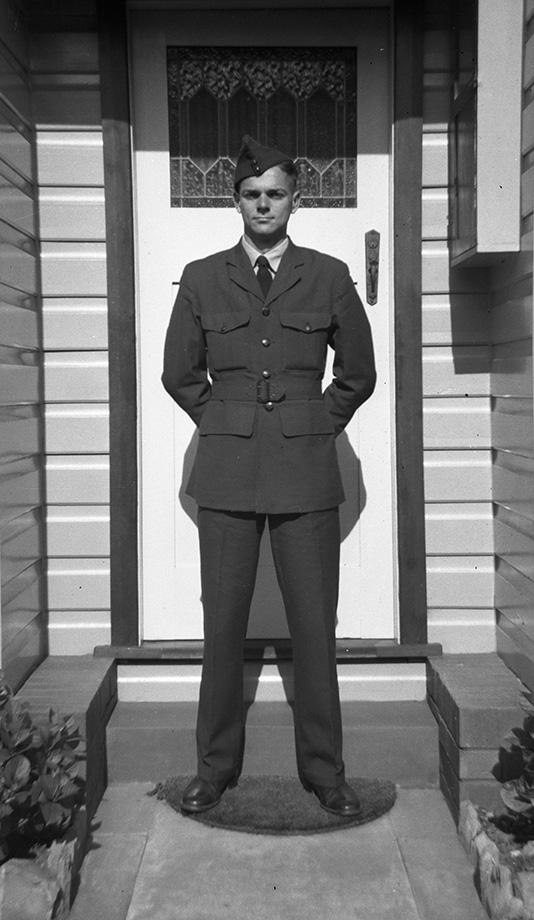
We are not sure why the young Jack Jones invested in Chips Rafferty’s films, but his interest may have been sparked by a series of advertisements.

Chips Rafferty featured in a number of news stories, and bought adverts in the local newspapers. He was promoting the success of his recent films, as well as the exotic locations they were shooting them in, and asking for small investors to invest in making more of them; promising a good profit on the venture.
So, we could assume that it was an attractive proposition for a young fellow to connect himself with the glamour of film making Hollywood and make a pound at the same time. All the while supporting one of the legends of the Australian Film Industry.
Unfortunately, the films that Jack invested in, from then on took losses leading to the eventual winding up of the company in 1959.
Jack Jones’ Correspondence With Chips Rafferty and Companies
Read: 1955-03-28 Chips Rafferty Southern International (Production & Distribution) Limited to Mr Jack L. Jones 28th March 1955 with Prospectus (8.9 MB PDF)
Read: 1955-05-31 Southern International (Production & Distribution) Limited. Debenture Certificate. Jack L. Jones. 31 May 1955.
Read: 1956-03-06 Prospectus. Australian Television Enterprises Limited (Incorporated Under the Companies Act of the State of N.S.W.) [1956]
Read: 1956-06-26 Australian Television Enterprises Limited. Debenture Certificate. Jack Leslie Jones. 26 June 1956
Read: 1958-02-11 Southern International (Production & Distribution) Limited to Debenture Holder (Jack Jones) February 11th, 1958.


The Revival of a Dream
But the dream of an independent (and permanent) Australian Film industry was still important one, and not to be revived until after Chips died in 1971.


This was in 1972 when Gough Whitlam, building on the foundations of his fellow Australian Prime Ministers’ John Gorton and Billy McMahon, adopted policies to establish public institutions to help facilitate a home grown film culture.
These institutions such as the Australian Film and Television School fostered investment, production, marketing and distribution to allow an Australian film Industry to flourish.
Who was Jack Jones?
Jack Leslie Jones was born on the 6 January 1934 to Jack and Elsie Jones of Mayfield. Elsie, a shopkeeper and business woman, and (second) husband Jack Vivian Jones, who was at times a horse trainer, farm hand, labourer and blast furnace tapper at the B.H.P. Steelworks in Newcastle.
A Beautiful Baby
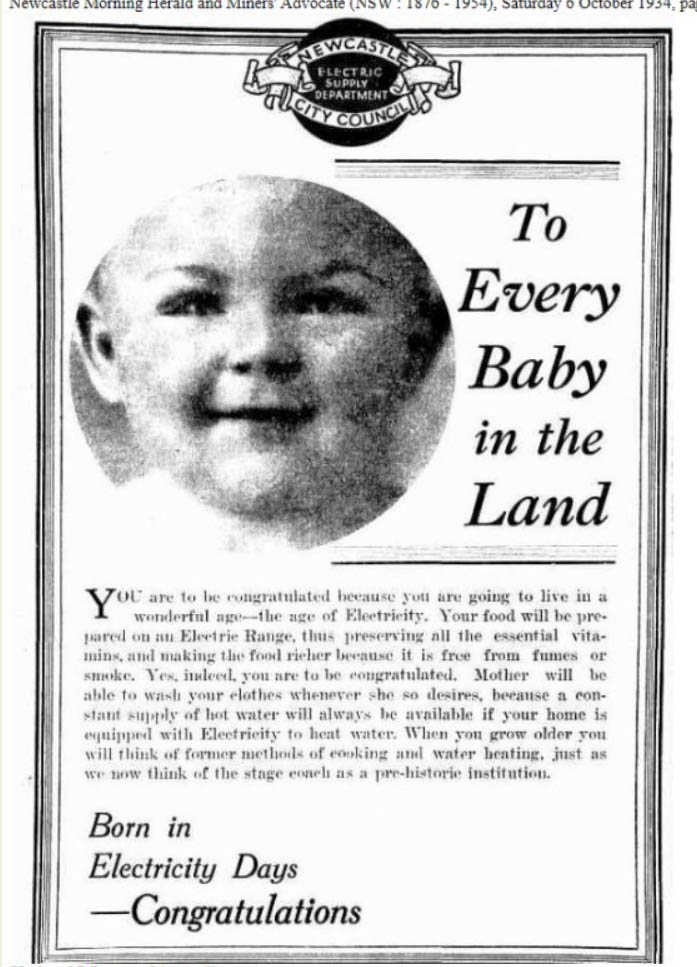
Jack Leslie Jones was a beautiful looking child, with his four step siblings, and got his 15 minutes of fame early appearing in a couple of ads in the Newcastle Morning Herald & Miners’ Advocate for Newcastle Council’s “Age of Electricity” promotion and another for Arnott’s Milk Arrowroot Biscuits.

Family Moved to Tamworth
During World War II, fearing that Newcastle would be the target of enemy attack, some of the family, including Jack, moved to Tamworth in 1942. Jack returned in 1946, and attended Newcastle Boy’s Junior High School. He was interested in flying and also obtained a student pilot license in 1955, and a full one in 1963.
Working and Marriage Life
He became an electrician, undertaking his apprenticeship with Stewarts and Lloyds, and qualifying in 1954 from Newcastle Technical College as an Electrical Fitter and Mechanic.
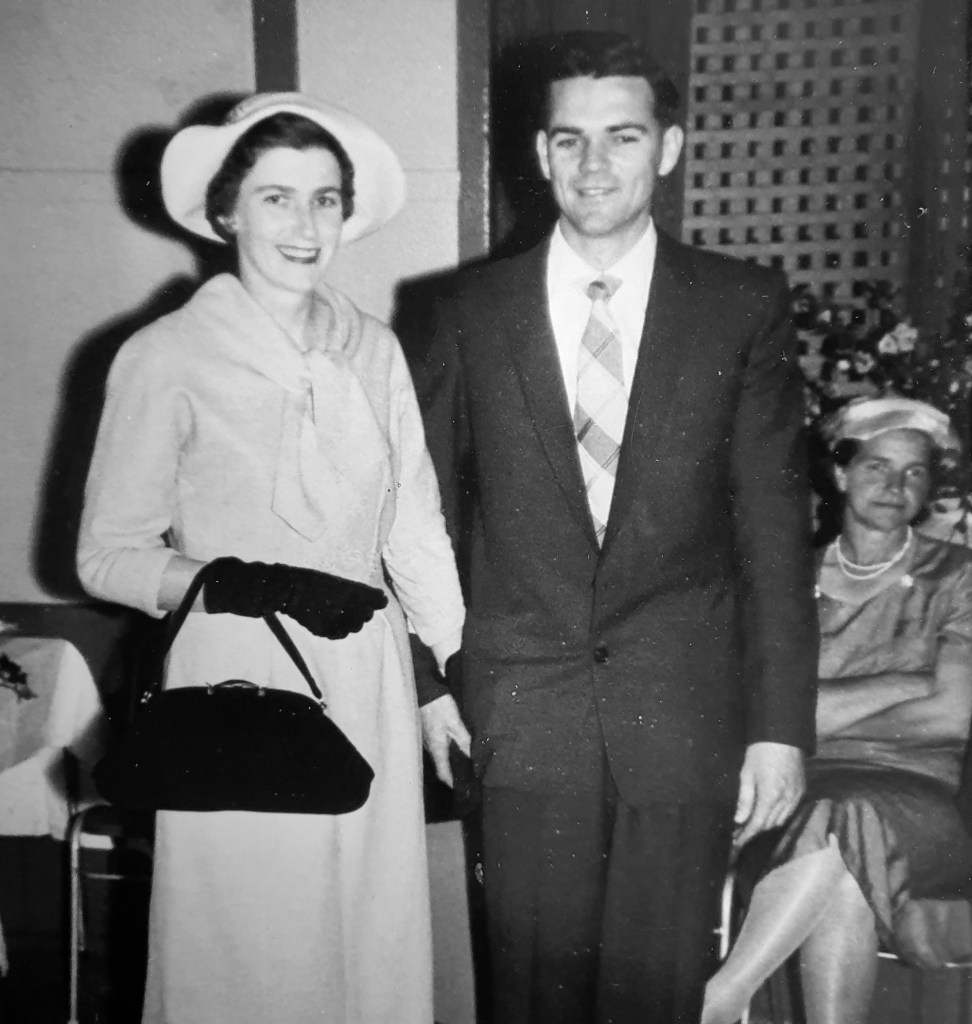
He married Maureen on the 12 August 1958 at Waratah and together had three children; Andrew, Tim and Annette.
Love of History
Jack Jones loved history, especially the history of Morpeth, probably due to his family connections through his Great Grandfather, Thomas Jones, who was Mayor of Morpeth from 1880 – 1881 and an alderman for about 20 years.
Jack became a founder, official and volunteer of Morpeth Museum and a member of the Morpeth Progress Association. He was also involved in the Coalfields and Wallsend history groups.
Over the years he donated a number of items to the University of Newcastle’s Archives including maps, large scale aerial photographs, teaching materials and correspondence, such as the items we are featuring in this post.
He died on the 12 August 2018.

The Enduring Legacy of Chips Rafferty
John Michael “Hollywood” Howson wrote in 1982:
” Chips Rafferty was not only a fervent believer in an Australian film business but he put his money where his mouth was: mortgaging his home, working tirelessly to get the money together to keep the cameras turning in Australia. His vision of Australia expressing itself to the world via films is beginning to come true but, alas, Chips is not here to share the great success that so many Australian films have achieved.”
And in quoting Australian actor Bryan Brown:
“He worked to keep the industry alive when it had been almost ground into the dust. I think an award should be named to honour him.”
The final word to Howson:
” Chips died before the cameras really started rolling again. As a teenager I met him and was in awe as he told me about films he would make about life in Australia “one day, son”. Later, I reminded him of it and he said “I don’t know whether I’ll make them but somebody will …” Thanks to the perseverance of a man called Chips Rafferty they are.”
Ref: John Michael Howson (1982, August 18). The Australian Women’s Weekly (1933 – 1982), p. 134. Retrieved July 12, 2024, from http://nla.gov.au/nla.news-article41854662
Acknowledgement
This post was compiled and prepared with the kind assistance of Jack Jones’ son Tim Jones, we thank Tim very much for his help in locating photographs and providing background information on his late father.
Invest Today In Our Stories of Our Town

Follow in Jack’s footsteps and invest in our own local Australian film industry.
Support the work of the Stories of Our Town Team by clicking the image above.
More Info here: https://hunterlivinghistories.com/category/stories-of-our-town/
Gionni Di Gravio, OAM
University Archivist & Chair, Hunter Living Histories