


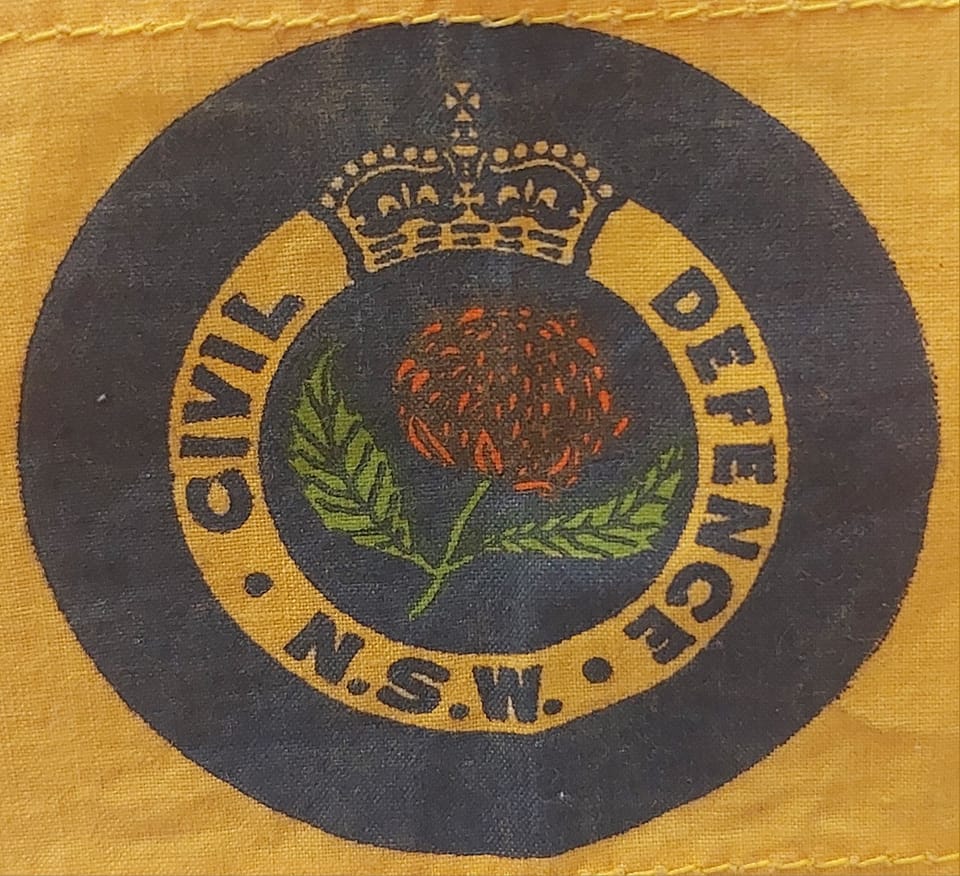

University of Newcastle Bachelor of Media and Communications student, Jack Lewis, began his work in the Professional Career-Ready placement at the GLAMx Lab, Auchmuty Library. Editing old archival footage, this enabled Jack to develop his storytelling and editing skills as well as viewing historic film digitisation to get a glimpse as to what the process of preserving delicate film reels are like.
Sygna Shipwreck
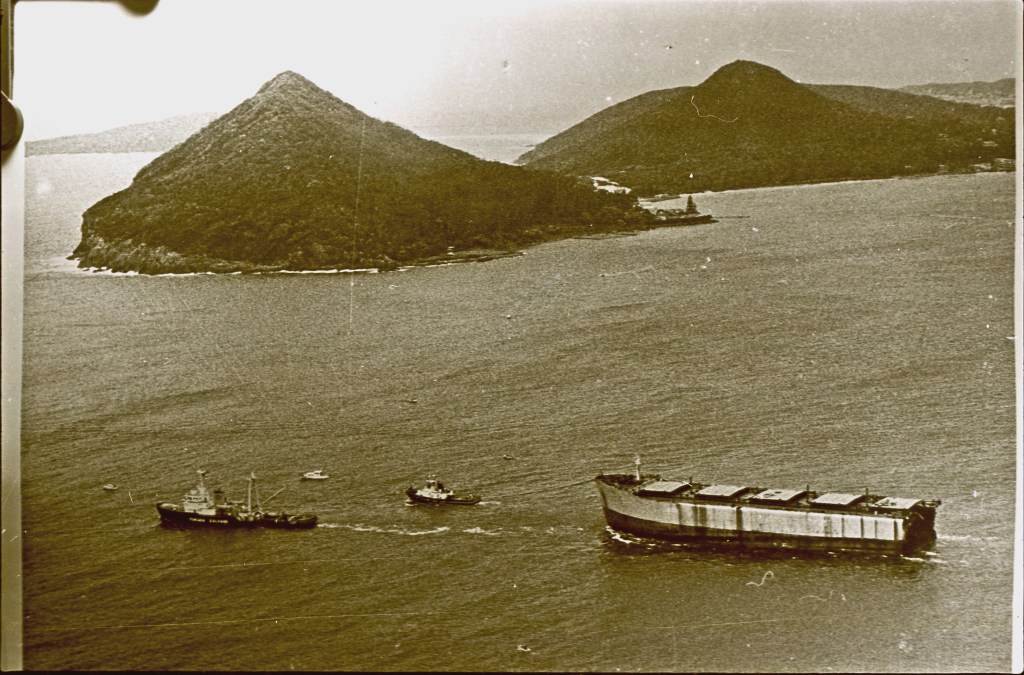
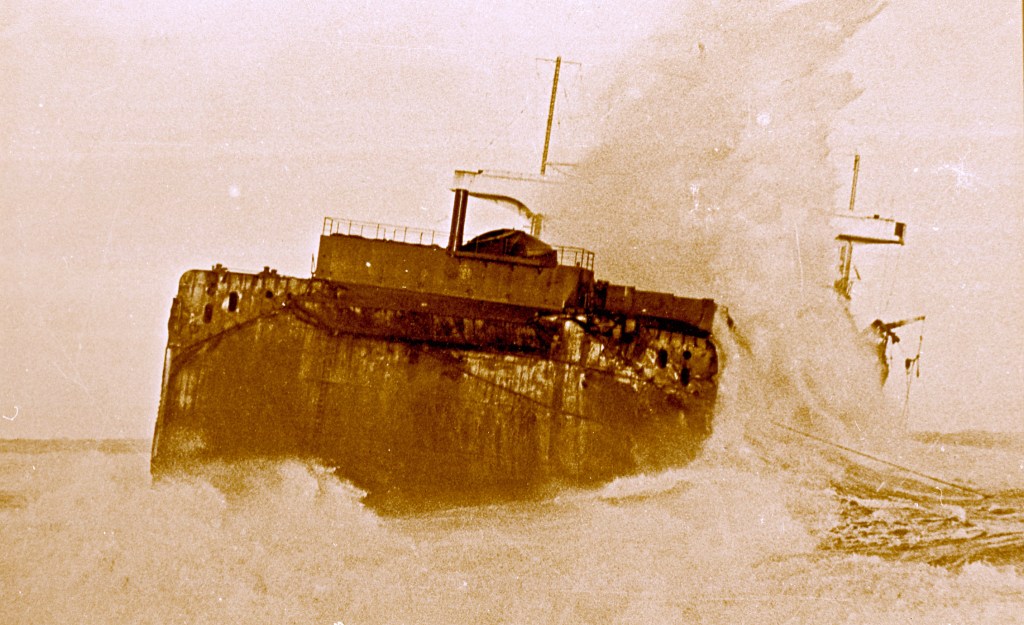
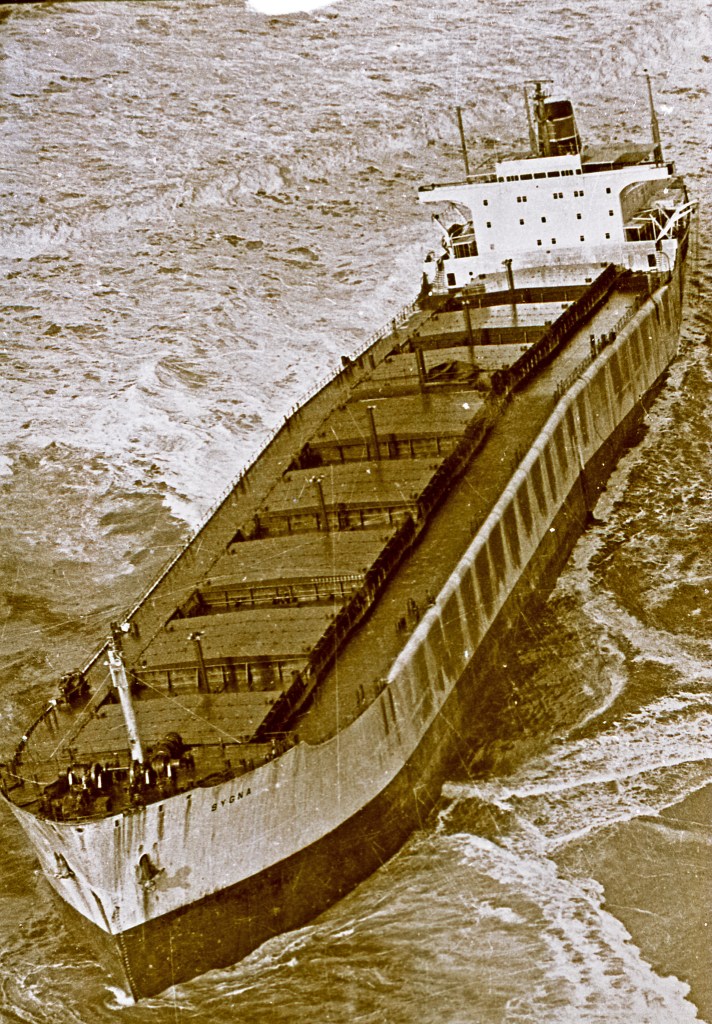
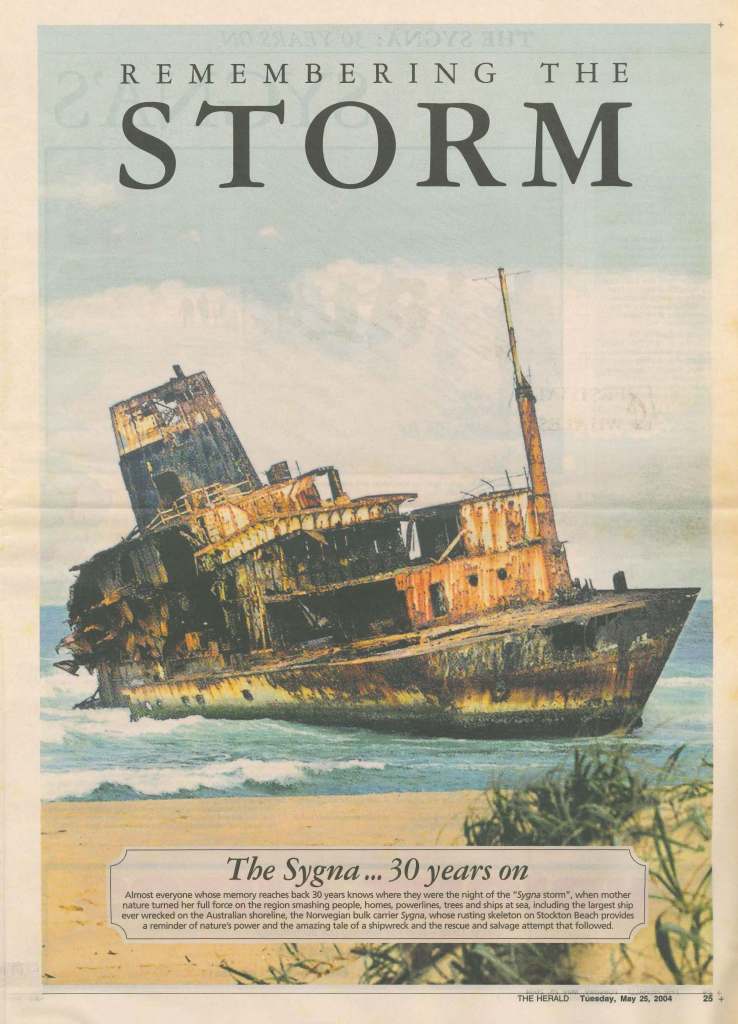
On 26 May 1974 a 53,000 ton Norwegian freighter the Sygna was wrecked at Stockton Beach, north of Newcastle. Several attempts to rescue the crew of 28 men and two women failed, eventually a RAAF helicopter winched the crew to safety only minutes before the vessel began to break up, it was irretrievable. Early September in 1974 the Sygna broke in two during salvage attempts to free the bulk carrier. The vessel snapped in two under the strain of cables attempting to pull the carrier into deep water, the stern section was driven closer into the shore by strong winds and high seas. However the bow section was towed clear of the beach into deep water. The salvage expert, Mr Kintoeu Yamada, was not upset about the ship breaking in half. Apparently he had planned to cut the Sygna in half anyway. He had not given up hope of refloating the stern, the ship was now too badly damaged to repair. The plan was to refloat the stern and tow it along with the bow to Japan to be scrapped. However, this never occurred, the wreck of the Sygna has slowly diminished over the decades, but is still visible on the Stockton Bight landscape.


Clem Doyle – former Civil Defence volunteer
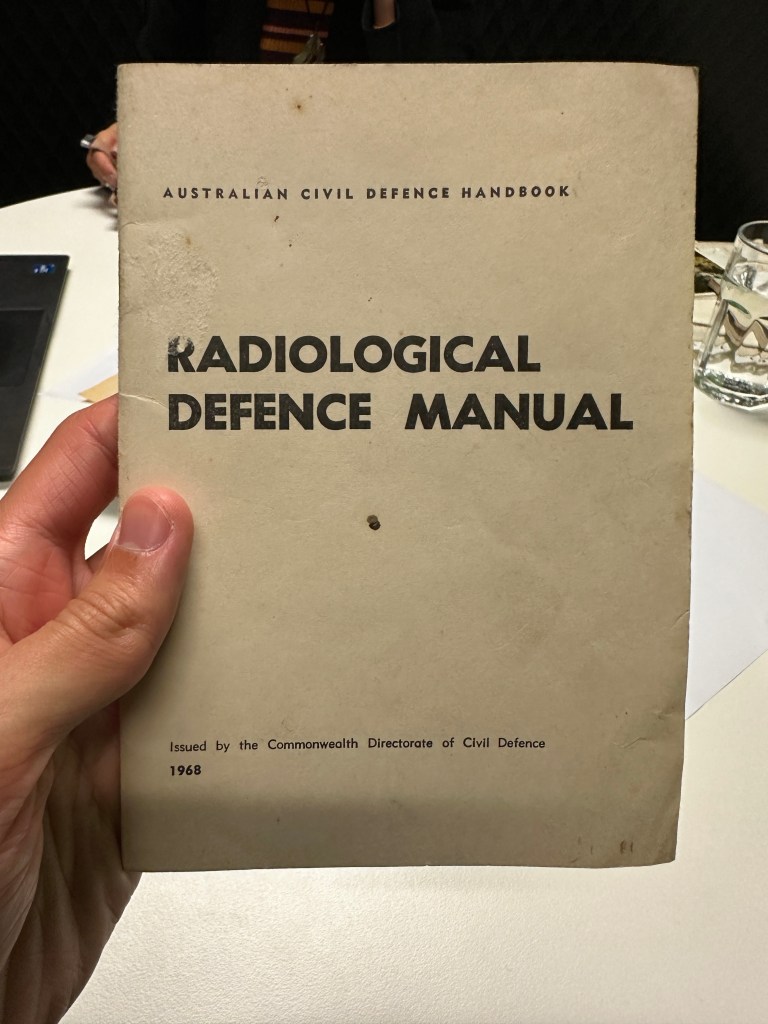
An interview with Clem Doyle featured in the video above explains his involvement during the Sygna storm and and the clean up in Newcastle. In the video Clem talks about how as a 20 year old he was introduced to the Newcastle Civil Defence, at a time the organisation was looking at increasing its membership. In 1974 the Civil Defence NSW evolved into the SES (State Emergency Service New South Wales). While Clem and the members of the Civil Defence were provided with training, it was not high level training, there was minimal equipment or transport provided, members had to use their own private vehicles to get to each job. Clem had received a call the weekend of the 25-26th May 1974 to provide aid to Newcastle residents during the ferocious storm that also badly impacted the Central Coast region. Clem’s training was based on instructional manuals from World War 2 and included how to evacuate people from bombed buildings, also instructed on how to place tarps on the roofs of damaged buildings, even when the tarps came were available they were much heavier than the newer plastic tarps we use today. This made helping out in the suburbs more challenging as the training received would have been useful after an earthquake, not a cyclone. Clem describes having to be very resourceful and much of what he learnt happened on the job alongside colleagues. They adapted to find more efficient ways during the emergency phase of the 1974 storm.







Interview with Terry Callan about Newcastle Shipwrecks – LISTEN HERE